Delhi CM Rekha Gupta cites Shah on Constitution art
Synopsis
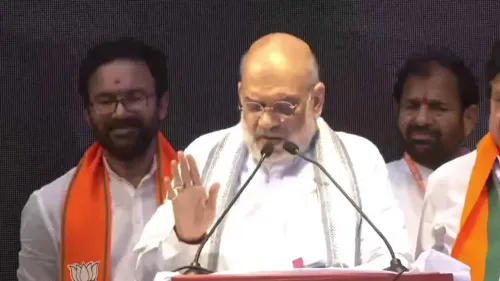
On Constitution Day, Delhi Chief Minister Rekha Gupta quoted Home Minister Amit Shah saying the original Constitution manuscript reflects Indian civilisation and history, citing painted figures from Lord Ram to Netaji Subhash Chandra Bose, and urging critics of that culture to look at the founding copy.
Key Takeaways
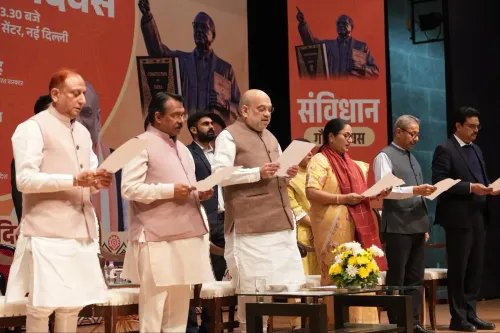
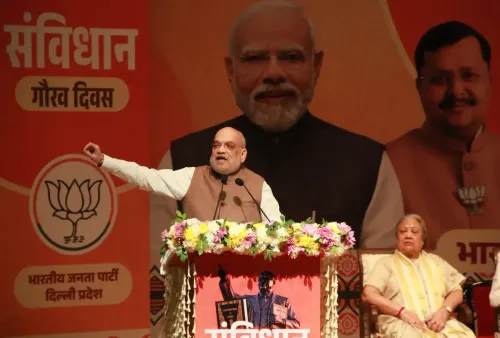
Delhi Chief Minister Rekha Gupta quoted Union Home Minister Amit Shah on Samvidhan Gaurav Diwas, observed on 26 November.
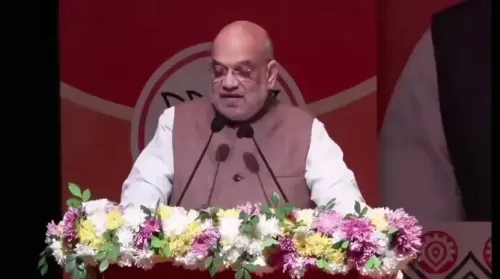
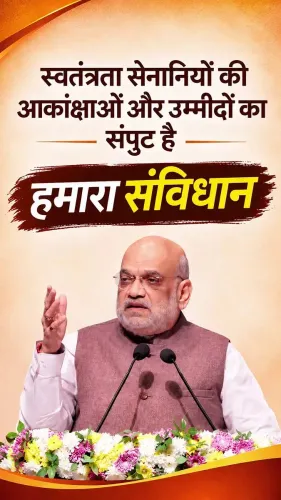
Shah said the original Constitution also reflects India's civilisation, culture and glorious history.
The quoted list of illustrations includes Lord Ram, Lord Buddha, Lord Mahavir, Guru Gobind Singh, Rani Lakshmibai, the Dandi March and Netaji Subhash Chandra Bose.
Shah said those who oppose Indian civilisation and culture should look at the original copy of the Constitution.
The Constituent Assembly adopted the Constitution on 26 November 1949; Constitution Day has been observed since 2015.
The decorative panels in the original manuscript are associated with artist Nandalal Bose.
The original Constitution, Delhi Chief Minister Rekha Gupta reminded the capital on 26 November, is not a dry statute book. Quoting Union Home Minister Amit Shah on Samvidhan Gaurav Diwas, she pointed to painted panels of gods, gurus and freedom fighters bound into the founding manuscript, and to critics she says should look at that copy first.
What Shah said the original copy contains
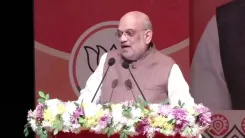
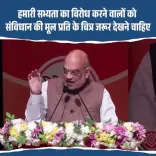
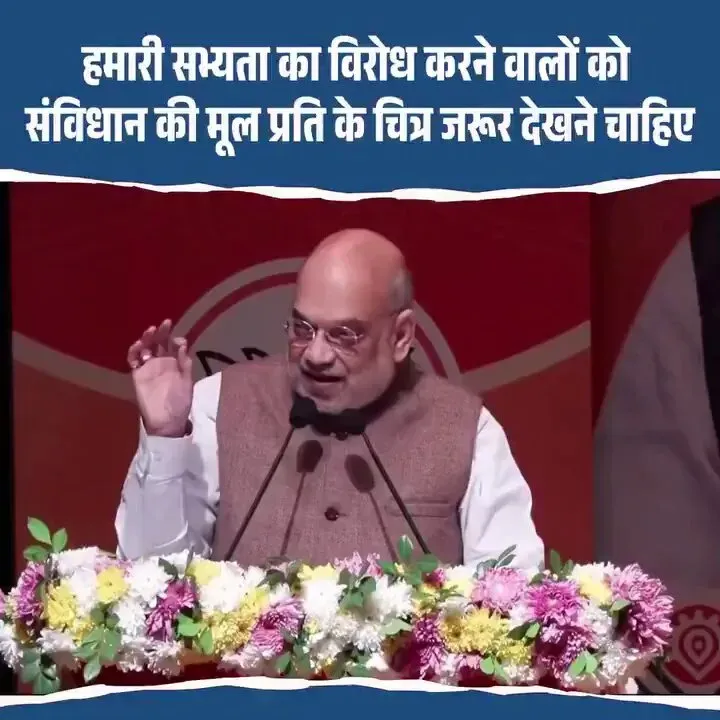
Sharing the Home Minister's words, Gupta posted that the original Constitution is also a reflection of India's civilisation, culture and glorious history. The quoted remark lists illustrations of Lord Ram, Lord Buddha, Lord Mahavir, Guru Gobind Singh, Rani Lakshmibai, the Dandi March and Netaji Subhash Chandra Bose.
Shah's closing line, as carried by the Delhi Chief Minister, was pointed: those who oppose Indian civilisation and culture, he said, should certainly look at the original copy of the Constitution. The Hindi phrasing in the post — unhen Samvidhan ki mool prati avashya dekhni chahiye (they must see the original copy of the Constitution) — treats the artwork as a rebuttal, not a museum footnote.
Nandalal Bose's panels and a 1949 document
The Constituent Assembly adopted the Constitution on 26 November 1949. The calligraphed original, decorated with historical and religious scenes, has become a recurring reference for BJP leaders who argue the document carries an indigenous civilisational ethos alongside its legal text.
Those panels, associated with artist Nandalal Bose, include figures from Indian history, religion and the freedom struggle, among them the Salt March and the portraits named in Shah's list. Since 2015, the Union government has marked 26 November as Constitution Day to widen public awareness of constitutional values. The Delhi post folds that annual observance into a sharper culture-and-history claim.
A Constitution Day message with a political edge
Gupta's post does not announce a new scheme or a legal change. It relays a political reading of the founding manuscript on the day India commemorates its adoption. The audience is the general public, and, implicitly, critics accused of standing against Indian civilisation and culture.
Annual Constitution Day programmes in November, and any refresh of educational material on the manuscript's artwork, will show how far this argument travels beyond a single post. The original copy, Shah and Gupta insist, already answered the culture debate. The question they pose is who will actually open it.
Point of View
And to dare critics to reconcile their positions with images already bound into the document. The test is whether school and civic material for 26 November begins to foreground those panels more explicitly.
NationPress
26 Nov 2026
Frequently Asked Questions
What is Samvidhan Gaurav Diwas?
Samvidhan Gaurav Diwas is observed on 26 November, the day the Constituent Assembly adopted the Constitution of India in 1949. Since 2015 the Union government has also marked the date as Constitution Day to promote awareness of constitutional values.
What did Amit Shah say about the original Constitution?
Union Home Minister Amit Shah said the original copy of the Constitution also reflects India's civilisation, culture and history. Delhi Chief Minister Rekha Gupta quoted him listing illustrations of Lord Ram, Lord Buddha, Lord Mahavir, Guru Gobind Singh, Rani Lakshmibai, the Dandi March and Netaji Subhash Chandra Bose, and saying critics of Indian civilisation should look at that original copy.
Which figures appear in the original Constitution manuscript?
The original calligraphed Constitution includes artistic depictions drawn from Indian history, religion and the freedom struggle. The figures named in the quoted remarks include Lord Ram, Lord Buddha, Lord Mahavir, Guru Gobind Singh, Rani Lakshmibai and Netaji Subhash Chandra Bose, along with a scene of the Dandi March.
Who illustrated the original Constitution of India?
The decorative historical panels in the original Constitution manuscript are associated with artist Nandalal Bose. BJP leaders periodically cite those illustrations to argue that the document reflects an indigenous civilisational ethos.
When was the Constitution of India adopted?
The Constituent Assembly adopted the Constitution of India on 26 November 1949. That date is now observed each year as Constitution Day, also referred to in the post as Samvidhan Gaurav Diwas.