Delhi CM Rekha Gupta Sets Up Cooling Zones at 97 NEET Centres
Synopsis
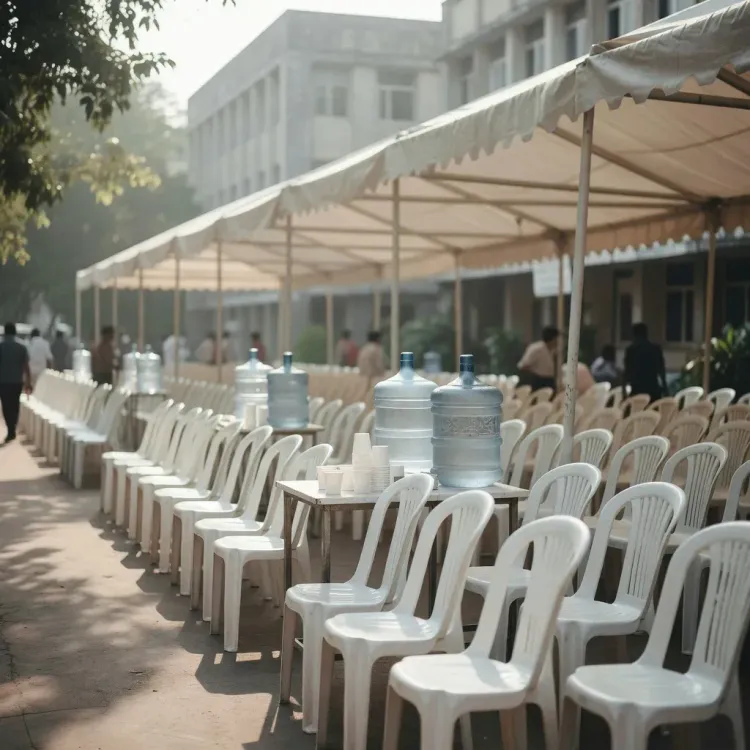
Delhi Chief Minister Rekha Gupta announced Cooling Zones with seating, water, ORS, and first aid at all 97 NEET UG 2026 centres, plus free DTC bus travel for candidates on 21 June 2026, to ease exam-day hardship during peak summer.
Key Takeaways
Cooling Zones with seating, clean drinking water, shikanji, ORS, tea, first aid, and other amenities will be set up at all 97 NEET examination centres in Delhi.
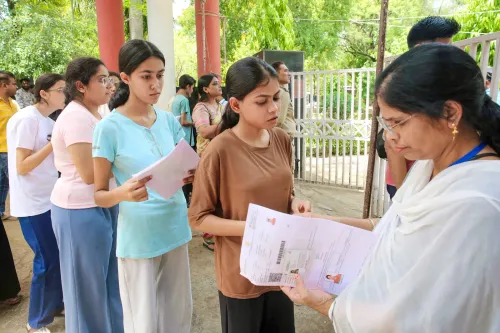
The facilities are specifically designed for parents and family members accompanying candidates who wait outside centres during the exam.
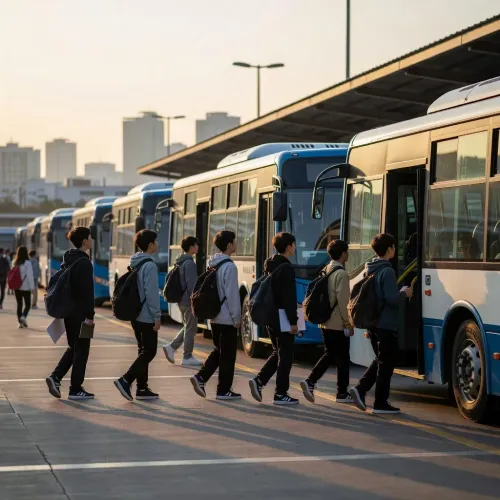
Free DTC bus travel has been arranged for candidates on 21 June 2026 , the day of the NEET UG exam.
The announcement was made by Delhi Chief Minister Rekha Gupta on 18 June 2026 , three days before the exam.
The initiative follows heightened scrutiny of candidate welfare at NEET centres after complaints and controversies in the 2024 NEET cycle .
CM Gupta extended best wishes to all students, calling their success 'the foundation for the bright future of their family, Delhi, and the nation.'
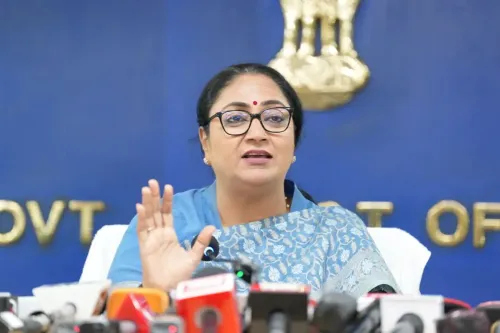
Delhi Chief Minister Rekha Gupta on Thursday, 18 June 2026, announced that the Delhi government has established Cooling Zones at all 97 NEET examination centres across the capital ahead of the NEET UG 2026 exam scheduled for 21 June, offering a range of welfare facilities for candidates and their accompanying family members.
Posting on X, CM Gupta stated — '21 जून को होने वाली NEET परीक्षा के लिए दिल्ली सरकार ने सभी 97 परीक्षा केंद्रों पर अभिभावकों और परिजनों के लिए Cooling Zones की व्यवस्था की है' ['For the NEET examination to be held on 21 June, the Delhi government has arranged Cooling Zones at all 97 examination centres for parents and family members'] — listing seating, clean drinking water, shikanji (lemonade), ORS, tea, first aid, and other essential amenities as part of the arrangement.
Context
The NEET UG examination is the single national-level entrance test for undergraduate medical and dental admissions in India, conducted by the National Testing Agency (NTA). The exam draws hundreds of thousands of aspirants annually, with a significant number appearing from Delhi and the National Capital Region. The 21 June date falls squarely in Delhi's peak summer period, when afternoon temperatures routinely exceed 40°C, making outdoor waiting conditions particularly harsh for parents who accompany candidates to centres.
The Chief Minister also announced free travel on Delhi Transport Corporation (DTC) buses on exam day, so that candidates face no logistical or financial barrier in reaching their centres. In her post, she extended best wishes to all students, urging them to appear 'with full confidence, concentration, and dedication,' adding that their success would 'lay the foundation for the bright future of their family, Delhi, and the nation.'
Policy Backdrop
NEET became the mandatory single entrance test for medical admissions following Supreme Court orders and a phased rollout between 2013 and 2016, replacing a patchwork of state and institution-level tests. The exam's national footprint means state governments bear significant responsibility for exam-day logistics even though the test itself is centrally administered.
Candidate welfare measures at NEET centres gained heightened policy attention after the 2024 NEET cycle, which was marked by heat-related complaints at centres and a high-profile paper-leak controversy that prompted political and judicial scrutiny. Several states subsequently expanded welfare infrastructure at exam venues. Delhi's Cooling Zone initiative fits within this broader post-2024 push by state administrations to demonstrate proactive candidate support.
Stakeholders and Impact
The primary beneficiaries are NEET UG 2026 aspirants appearing from Delhi and the parents and guardians who travel with them, many of whom would otherwise wait outside centre gates in intense summer heat for several hours. The free DTC bus facility directly addresses last-mile connectivity concerns for candidates from lower-income households who might otherwise depend on expensive last-minute transport.
The Delhi Transport Corporation has previously offered concessional or free travel during high-stakes examinations, making this an extension of an established pattern rather than an entirely new policy. Welfare organisations and student groups monitoring exam-day conditions are among the other stakeholders likely to track utilisation of the announced facilities.
What's Next
With the exam three days away at the time of the announcement, the immediate focus shifts to on-ground deployment of Cooling Zone infrastructure and coordination between the Delhi government, centre administrators, and DTC on 21 June. Post-exam, utilisation data from the Cooling Zones and DTC ridership figures will indicate whether the scale of arrangements matched actual demand. Any review by the NTA or the Delhi government following results could inform welfare protocols for future high-stakes examinations held during summer months.
Point of View
High-visibility, and difficult to oppose — that allows the Delhi government to position itself as a responsive administration on a nationally watched event. By addressing both comfort (shaded waiting areas) and mobility (free DTC buses), the initiative targets two of the most common grievances voiced by NEET families in urban centres. It also implicitly responds to the reputational damage the NEET ecosystem suffered in 2024, when welfare gaps at centres became part of a broader political narrative. Whether the arrangements are fully operationalised on exam day will determine whether this becomes a governance success story or a talking point for critics.
NationPress
19 Sept 2026
Frequently Asked Questions
What facilities are available at Delhi NEET 2026 exam centres?
The Delhi government has set up Cooling Zones at all 97 NEET UG 2026 centres offering seating, clean drinking water, shikanji, ORS, tea, first aid, and other essential amenities for parents and family members of candidates.
Is DTC bus travel free for NEET 2026 candidates in Delhi?
Yes, Delhi Chief Minister Rekha Gupta announced that free DTC bus travel will be available for NEET candidates on 21 June 2026, the day of the exam.
When is NEET UG 2026 exam date in Delhi?
The NEET UG 2026 examination is scheduled for 21 June 2026. Delhi has set up welfare facilities across all 97 of its examination centres for that day.
Why did Delhi set up cooling zones for NEET 2026?
The cooling zones are intended to help parents and guardians who wait outside exam centres during Delhi's peak summer heat, when temperatures regularly exceed 40°C, and to ensure candidates face no discomfort on exam day.
Who announced NEET exam day facilities in Delhi for 2026?
Delhi Chief Minister Rekha Gupta announced the Cooling Zone and free DTC bus arrangements on 18 June 2026 via a post on X, three days before the scheduled exam.