Is Delhi's 'No PUC, No Fuel' Rule Effective Against Pollution?
Click to start listening
Synopsis
As pollution levels soar in Delhi, the government introduces the 'No PUC, No Fuel' mandate and restricts non-BS-VI vehicles. With comprehensive strategies and collaborations, they aim to create a cleaner, healthier environment. Learn how these measures impact vehicle owners and the overall air quality in the capital.
Key Takeaways
- 'No PUC, No Fuel' rule begins for Delhi vehicles.
- Only BS-VI compliant vehicles can enter the city.
- 126 checkpoints for enforcement have been established.
- Government plans to identify 100 pollution hotspots.
- Collaboration with IIT-Madras for smog-eating surfaces.
New Delhi, Dec 18 (NationPress) To tackle the severe air quality issues in the national capital, the Delhi government's 'No PUC, No Fuel' initiative will take effect starting Thursday.
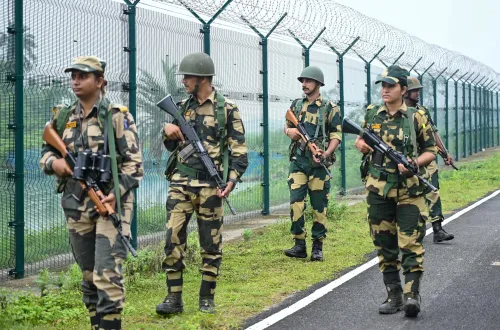
Moreover, only vehicles compliant with BS-VI standards and registered outside Delhi will be permitted to enter the city from this date, while trucks transporting construction materials will face a continued prohibition. Construction activities remain suspended under GRAP regulations, with stringent measures promised for any offenders.
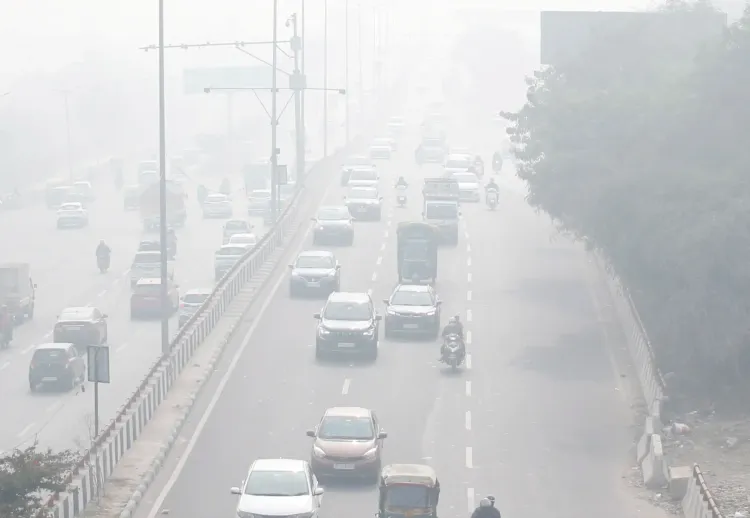
The ongoing air pollution crisis in the capital has compelled the Delhi government to implement a broad spectrum of urgent and long-term strategies aimed at reducing emissions from vehicles, controlling dust, managing waste, and alleviating traffic congestion.
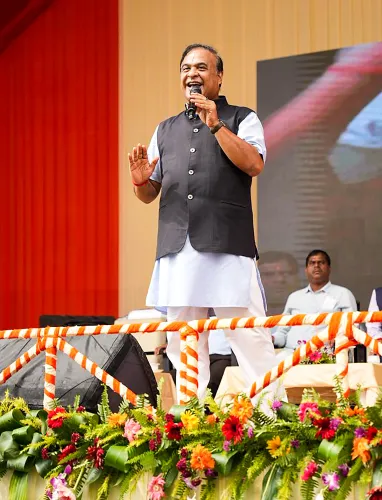
On Wednesday, Environment Minister Manjinder Singh Sirsa stated that the government is pursuing multiple strategies as residents cope with hazardous smog.
During a press briefing, Sirsa revealed plans for a comprehensive revision of the Pollution Under Control Certificate (PUCC) system, including third-party monitoring, the launch of a city-wide carpooling application, and integrated traffic management reforms, as well as extensive use of mechanized road cleaning technology.
"The Delhi government is contemplating a complete revamp of the PUC certificate issuance process, as the current centers are outdated and plagued with issues. We will introduce a third-party monitoring system," he stated.
Sirsa emphasized that Wednesday marked the final opportunity for vehicle owners to secure valid PUC certificates. "Effective tomorrow, vehicles that do not comply will be denied fuel," he added, noting that ANPR cameras, voice alerts at petrol stations, and police presence will facilitate adherence to this rule.
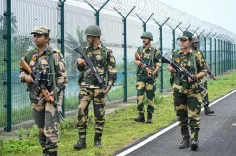
To enforce this fuel restriction, 126 checkpoints have been established throughout Delhi, including at border crossings, with the deployment of 580 police officers and 37 Prakhar Vans.
Enforcement teams from the transport department will also be stationed at fuel stations and border checkpoints. Sirsa urged the public to cooperate, stating, "Citizens are requested not to engage in disputes with officers at fuel stations or borders. This initiative aims to protect your health and the future of your children."
Additionally, the government has mandated a 50% work-from-home policy for both public and private sectors to lessen vehicular traffic.
The Delhi government is also exploring collaborations with Google Maps and Map India to pinpoint traffic congestion hotspots using real-time data.
Sirsa chaired a high-level meeting with officials from Google Maps to discuss the creation of a smart traffic management system that could adjust traffic signals dynamically based on live congestion data.
"This partnership will enable us to utilize real-time traffic information to identify emerging hotspots, decongest routes more efficiently, and minimize emissions from idling vehicles," he added.
The government's objective is to identify at least 100 pollution and traffic hotspots for targeted interventions. Sirsa noted that the number of pollution hotspots in Delhi has surged from 13 during the previous AAP administration to 62 currently.
Pointing out the sources of pollution, Sirsa listed, "The four main contributors to pollution in Delhi are vehicular emissions, industrial output, dust, and solid waste."
The Public Works Department has been tasked with deploying 70 mechanical road sweepers and water sprinklers, alongside approximately 1,000 litter pickers and 300 water sprinklers operating citywide.
The Delhi government plans to allocate Rs 2,700 crore over the next 10 years to the Municipal Corporation of Delhi for acquiring mechanized sweepers and litter collection devices.
The PWD has also initiated a permanent pothole-monitoring system led by a third-party agency under a yearly contract, ensuring repairs are completed within 72 hours. This agency will perform annual surveys to document potholes, capture photographic evidence, and deliver real-time updates, as potholes considerably contribute to dust pollution.
Furthermore, the environment minister announced a memorandum of understanding with IIT-Madras to explore and develop smog-eating surfaces.
These titanium oxide-based photocatalytic coatings, already implemented in various global cities, have the potential to reduce nitrogen dioxide and harmful hydrocarbons. Pilot testing will be conducted in selected areas of the capital.
Point of View
The ongoing measures by the Delhi government reflect an urgent response to a pressing environmental crisis. While the 'No PUC, No Fuel' rule and associated regulations may pose challenges for vehicle owners, the overarching goal of improving air quality is essential for public health and future generations. The collaboration with technology partners like Google Maps indicates a modern approach to traffic management and pollution control.
NationPress
19/12/2025
Frequently Asked Questions
What is the 'No PUC, No Fuel' rule?
The 'No PUC, No Fuel' rule mandates that vehicles without a valid Pollution Under Control (PUC) certificate will be denied fuel in Delhi, aimed at reducing vehicular emissions.
Who does the BS-VI compliance apply to?
Only vehicles compliant with BS-VI standards and registered outside Delhi will be allowed to enter the city starting from the enforcement date.
What enforcement measures are being taken?
The government has established 126 checkpoints across Delhi, with police personnel and monitoring systems in place to ensure compliance with the new regulations.
Are there any penalties for non-compliance?
Yes, vehicles failing to present a valid PUC certificate will be denied fuel, and strict action will be taken against violators.
How is the government addressing traffic congestion?
The Delhi government is collaborating with technology companies to develop a traffic management system that uses real-time data to alleviate congestion.