How Does the Situation in Bangladesh Affect Northeast India's Security?
Synopsis
A Parliamentary Committee report reveals alarming security concerns stemming from Bangladesh's political instability, urging India to fortify intelligence measures and advocate for minority protections. With external influences rising, the report calls for a strategic approach to safeguard India's interests in the Northeast region.
Key Takeaways
Bangladesh's political instability poses risks for Northeast India's security.
Strengthened intelligence-sharing mechanisms are crucial.
India must monitor foreign influences in Bangladesh.
Cultural diplomacy can enhance bilateral relations .
Protecting minority rights should be a diplomatic priority.
New Delhi, Dec 18 (NationPress) A recent report from a Parliamentary Committee underscores that the current situation in Bangladesh poses serious security risks for India’s Northeast region. The report advocates enhancing intelligence-sharing mechanisms and preventing Bangladesh from becoming a sanctuary for groups that threaten New Delhi’s security interests.
This situation presents a strategic dilemma for India, reminiscent of the challenges faced since the 1971 Liberation War. The findings were shared in the Lok Sabha on December 18 by the Committee on External Affairs, chaired by Congress leader Shashi Tharoor.
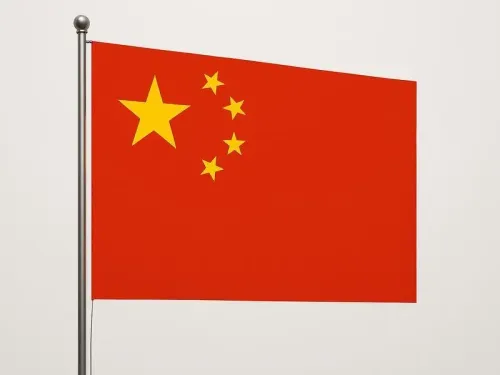
The report expresses alarm over the increasing influence of foreign powers, particularly China, in Bangladesh’s infrastructure, port development, and defense sectors. It urges India to vigilantly track these developments to protect its strategic interests, specifically concerning sensitive areas like the Siliguri Corridor and the Bay of Bengal.
The committee attributes the unrest to various factors, including the rise of Islamic radicalism, the growing Chinese and Pakistani influence, and the diminishing power of Sheikh Hasina's Awami League.
Since August 2024, political instability in Bangladesh has escalated, marked by spikes in violence and extremism. The committee praised a non-interventionist approach during this tumultuous period and emphasized the necessity of supporting free, fair, and credible elections in Bangladesh to reinstate political stability.
The report highlights ongoing assaults on minority communities, including attacks on places of worship and cultural institutions. It calls upon the Ministry of External Affairs to place a high priority on protecting minorities during its diplomatic discussions, advocating for prompt action from Dhaka to ensure the safety and rights of all citizens.
The historical and cultural bonds between India and Bangladesh have been reinforced through significant agreements such as the Land Boundary Agreement and maritime boundary settlements. Despite the recent political turmoil, the committee encourages India to adopt a constructive and pragmatic stance.
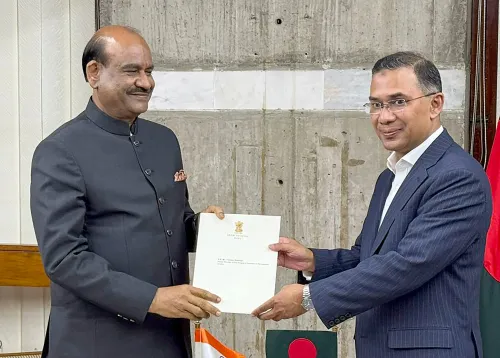
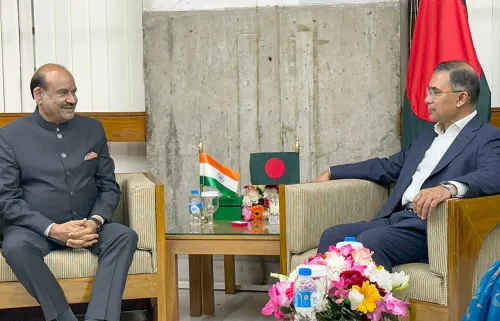
Furthermore, the report recommends continued diplomatic engagement with various political, social, and civil society groups in Bangladesh to foster mutual respect and counter anti-India sentiments.
India's humanitarian efforts in providing asylum to Bangladesh’s former Prime Minister Sheikh Hasina were acknowledged, with a call for the committee to stay informed on the extradition processes.
The report also pointed out the challenges posed by misinformation and anti-India narratives prevalent in certain Bangladeshi media and digital platforms. To counter this, it suggests establishing a Strategic Communication and Perception Management Unit within the Ministry of External Affairs to promote accurate information and enhance India’s global soft power.
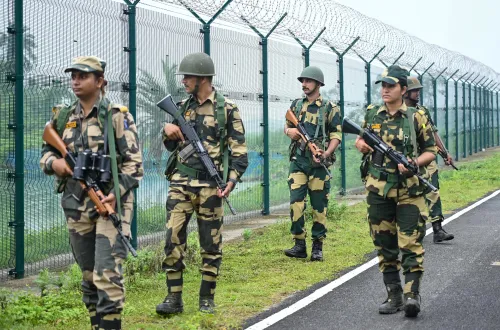
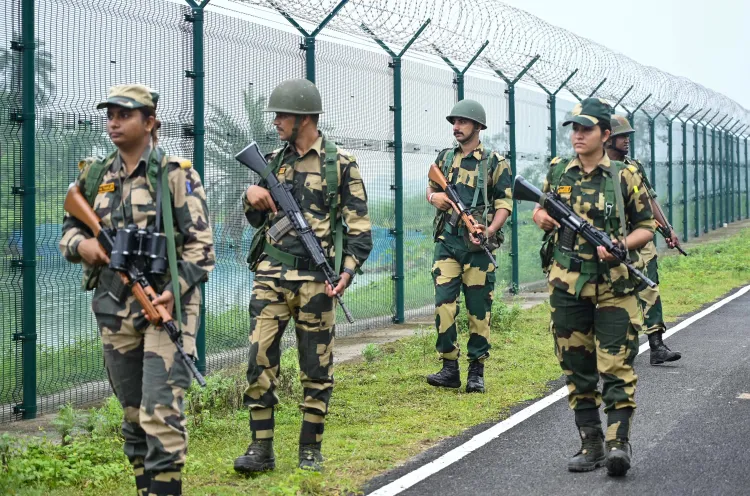
With approximately 864 km of the India-Bangladesh border still unfenced due to difficult terrain, the committee underscores the necessity of effective border management for national security and regional stability.
The report further advises prioritizing the completion of border fencing and employing innovative technological solutions, such as smart surveillance sensors, in areas where traditional fencing is impractical.
Bangladesh’s anticipated graduation from the Least Developed Country (LDC) status in 2026 is expected to have repercussions for bilateral trade. The committee welcomes the ongoing discussions for a Comprehensive Economic Partnership Agreement (CEPA) and urges its timely finalization to ensure stable economic relations.
Moreover, it stresses the need to complete major infrastructure projects, such as rail lines and port enhancements, to maximize mutual gains.
Recognizing the profound cultural and historical ties between the two nations, the committee recommends amplifying cultural diplomacy through joint festivals, film retrospectives, and art residencies.
Restoring visa and consular services is crucial for facilitating legitimate travel and enhancing people-to-people connections. With the Ganga Water Treaty expiring in 2026, the report advocates for initiating bilateral talks with Bangladesh to ensure seamless continuity.
It emphasizes the necessity for updated hydrological data and climate change estimates to inform the renewal process and addresses issues related to Teesta River water sharing.
Point of View
This report reflects a critical juncture in India-Bangladesh relations. While emphasizing the need for vigilance and strategic engagement, it acknowledges the importance of cultural ties and diplomatic dialogue. Upholding India's interests while supporting democratic values in Bangladesh is essential for regional stability.
NationPress
24 Oct 2026
Frequently Asked Questions
What are the key security implications for Northeast India regarding Bangladesh?
The report indicates that the political instability in Bangladesh could lead to increased activity from groups that pose threats to India’s national security, necessitating stronger intelligence-sharing and border management.
How is China influencing Bangladesh's situation?
The report highlights China's growing involvement in Bangladesh’s infrastructure and defense sectors, raising concerns about its strategic implications for India.
What recommendations does the report make for India?
It recommends enhancing intelligence-sharing, supporting free and fair elections in Bangladesh, and prioritizing minority protections in diplomatic discussions.
What role does cultural diplomacy play in India-Bangladesh relations?
The report advocates for intensifying cultural diplomacy through joint events to strengthen historical ties and promote mutual respect between the two nations.
What is the significance of the Ganga Water Treaty?
The Ganga Water Treaty, expiring in 2026, is crucial for water sharing between India and Bangladesh, and the report recommends initiating discussions to ensure its continuity.