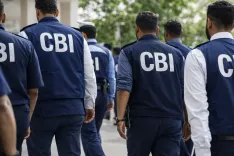
Is Bangladesh's Election and ISI Influence a Major Security Threat to India's Northeast?
Key Takeaways
Bangladesh elections pose a significant threat to India’s northeast.
ISI’s involvement is a major concern for national security.
Political rhetoric in Bangladesh is increasingly anti-India.
Security agencies are on high alert as elections approach.
Potential violence may spill over into Indian territories.
New Delhi, Jan 1 (NationPress) The security forces face significant challenges this year as conditions in Bangladesh continue to deteriorate and Pakistan resumes its disruptive actions against India. Multiple assessments from the Intelligence Bureau indicate that the primary threat this year will stem from Bangladesh and the evolving security dynamics in the northeastern states.
According to an official, two highly unstable nations—Myanmar and Bangladesh—are both set to hold elections this year, raising concerns of potential unrest. There is heightened international attention given the worsening security scenarios in both countries, making these elections pivotal, another official added.
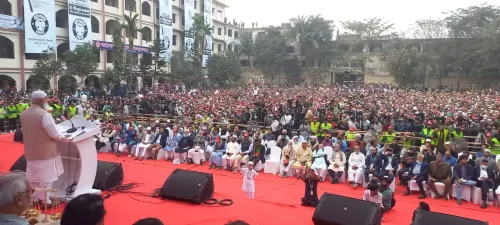
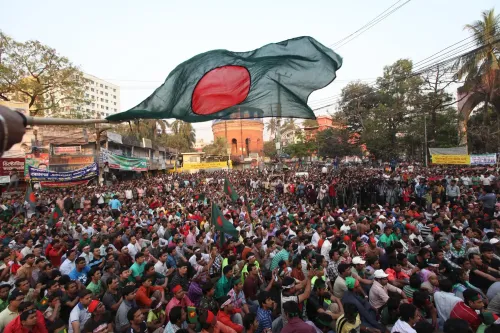
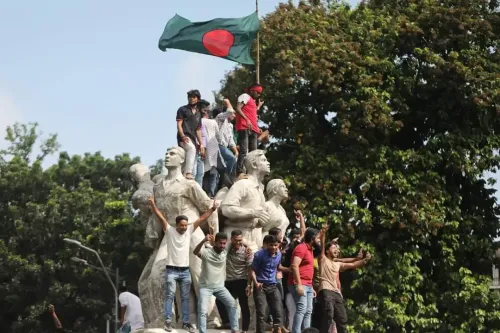
India's primary apprehension lies with the upcoming elections in Bangladesh on February 12. With the Awami League excluded from the electoral race, the contest is poised to be between the Bangladesh Nationalist Party (BNP) and the ISI-supported Jamaat-e-Islami.
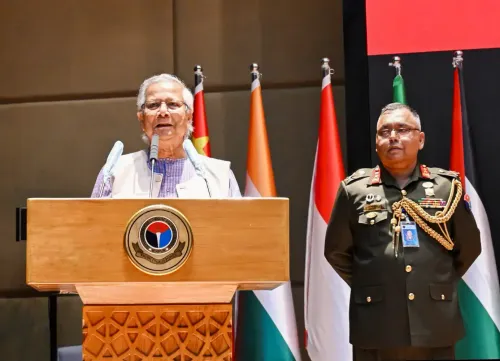
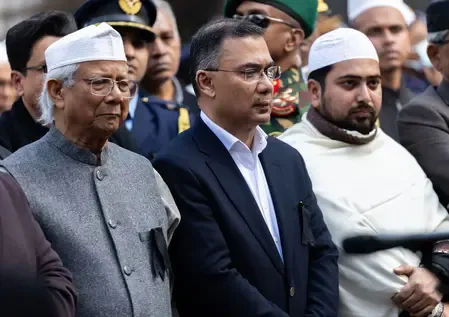
Under the leadership of Muhammad Yunus, reports of minority persecution have surged, with daily instances of violence being documented. Furthermore, pressured by the Jamaat, Yunus has adopted a friendly stance towards Pakistan, enabling various concessions, including opening maritime routes and relaxing visa policies.
An official remarked that the situation in Bangladesh presents a more complex challenge in comparison to Myanmar, where anti-India sentiments are minimal. In contrast, Bangladesh is rife with rhetoric depicting India as the primary antagonist. The Jamaat's anti-India stance is echoed by the National Citizen Party (NCP), which has also been promoting similar narratives.
Hasnat Abdullah, a prominent figure in the NCP, has publicly threatened to provide refuge to anti-India factions. Most political entities in Bangladesh believe that leveraging anti-India sentiments could secure electoral victories. This explains why the Bangladeshi government has been lenient towards terrorist organizations like Harkat-ul-Jihadi Islamic (HuJI) and Jamaat-ul-Mujahideen, Bangladesh (JMB). These groups are reportedly being supported by the Yunus administration and the ISI to instigate unrest in northeastern India, according to officials.
Yunus has even referred to the northeastern region as 'landlocked.' Additionally, there have been multiple instances where maps suggesting a Greater Bangladesh have circulated within the country, indicating a strategic move by the ISI aimed at inciting disturbances in the northeastern states.
While making incendiary comments regarding the region, the ISI is also attempting to mobilize its operatives within these states. Earlier this week, Assam Police dismantled a Bangladesh-linked terror network, arresting 11 individuals. This group was reportedly activated by the ISI to execute terror operations in the northeastern states leading up to the elections. The terror module operated under the name Imam Mahmuder Kafila (IMK), which officials claim is a proxy of the JMB, a leading terror organization based in Bangladesh.
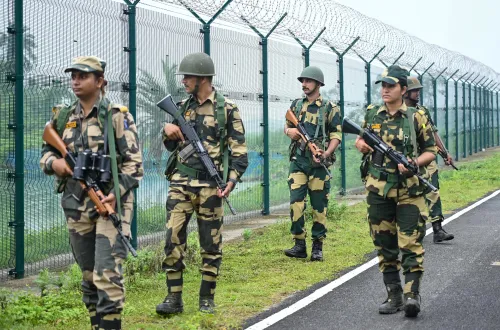
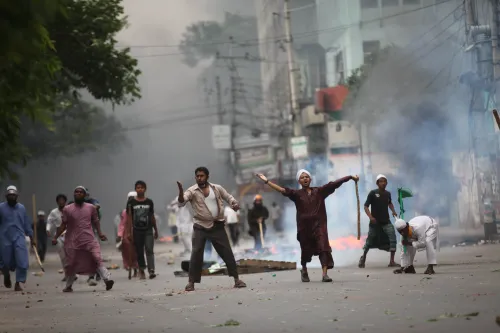
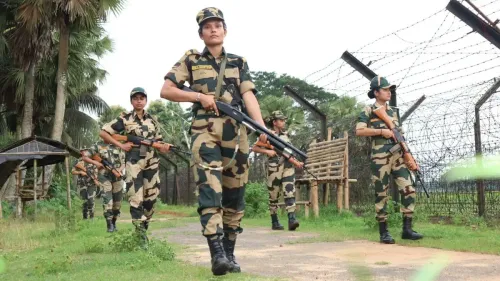
Intelligence Bureau officials warn that the border situation will be precarious as the elections approach in both countries. Any incidents of violence in these nations could easily spill over into the northeastern states and West Bengal. Officials caution that during this critical period, there is considerable evidence suggesting that Indian insurgent groups based in Myanmar, alongside ISI-affiliated elements in Bangladesh, would seek to infiltrate India to incite chaos.
According to an Intelligence Bureau official, in the lead-up to the elections and prior to the activation of formal diplomatic channels, the ISI is expected to utilize its proxies aggressively. Plans are likely in place to facilitate the entry of large numbers of illegal immigrants into the northeastern states and West Bengal, along with attempts to smuggle in arms, counterfeit currency, and narcotics.
Another official stated that for New Delhi, it will be a wait-and-see situation until the electoral process concludes. Until then, priority will be given to securing the borders to prevent any escalation of the security situation within India, the official added.
Point of View
It is essential to highlight the gravity of the situation unfolding in Bangladesh and its implications for India. With elections approaching, the potential for unrest and external influence poses a significant threat to national security. Our focus must remain on proactive measures to ensure stability and safeguard our borders during this tumultuous period.
NationPress
20 Sept 2026
Frequently Asked Questions
What are the main security challenges for India related to Bangladesh's elections?
The primary security challenges stem from potential unrest in Bangladesh due to the political climate and the influence of ISI-backed groups aiming to destabilize India's northeastern states.
Why are the upcoming elections in Bangladesh significant?
These elections are significant as they will occur in a context of heightened tension and scrutiny, with the potential for violence impacting not just Bangladesh, but also spilling over into India.
What role does the ISI play in the Bangladesh elections?
The ISI is believed to support certain political factions in Bangladesh, potentially leveraging these elections to create instability in India's northeastern regions.
How are political parties in Bangladesh positioning themselves for the elections?
Many political parties in Bangladesh, including the BNP and Jamaat-e-Islami, are adopting anti-India rhetoric to galvanize support among voters.
What measures is India taking to address these security concerns?
India is focusing on border security and intelligence operations to preempt any potential threats arising from the elections in Bangladesh.