Is Bangladesh's Cooperation with India a Betrayal?
Synopsis
Tensions between Bangladesh and India have escalated, fueled by radical elements targeting minority communities and anti-India propaganda. Discover how misinformation is shaping public sentiment and straining diplomatic ties before the upcoming elections.
Key Takeaways
Radical elements are instigating violence against minorities in Bangladesh.
ISI's influence is evident in the growing anti-India sentiment.
Social media is a major tool for spreading misinformation.
The upcoming elections could be impacted by these tensions.
Constructive engagement is essential for improving relations.
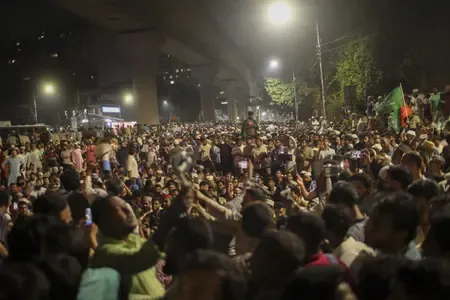
New Delhi, Dec 24 (NationPress) Relations with Bangladesh have deteriorated significantly since the removal of Sheikh Hasina, leading to radical groups targeting the minority Hindu population within the nation. Recent events have unfolded showcasing harrowing instances where this community was subjected to severe violence.
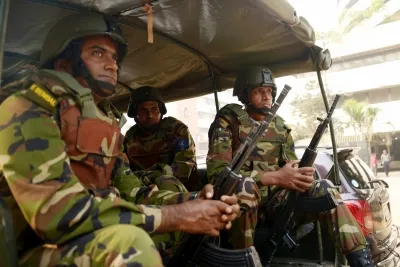
Furthermore, disturbances erupted at Indian diplomatic missions, prompting New Delhi to issue strong condemnations. The unrest appears to be primarily instigated by ISI-supported radical factions intent on undermining the relationship with India, which remains Bangladesh's most pivotal neighbor.
Indian intelligence has uncovered evidence of a persistent online campaign that is keeping tensions high. This unrest was exacerbated by the shooting of two student leaders, which radical channels exploited to launch an anti-India narrative.
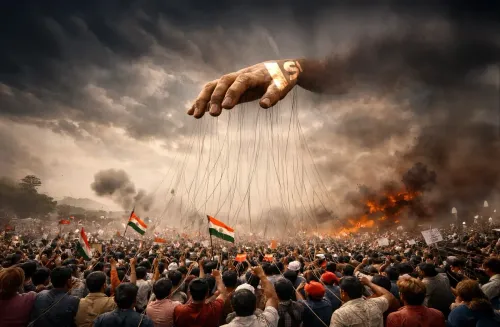
The campaign predominantly emphasizes an anti-India agenda, blaming India for various issues ranging from the student shootings to natural disasters in Bangladesh. Political instability is also attributed to Indian interference on social media platforms.
An official indicated that the ISI has enlisted radical elements linked to Jamaat-e-Islami to spearhead this initiative. During the recent floods, these channels propagated a narrative claiming that India intentionally released water to cause destruction in Bangladesh. This misleading information was so compelling that it resonated with many, leading to increased animosity towards India.
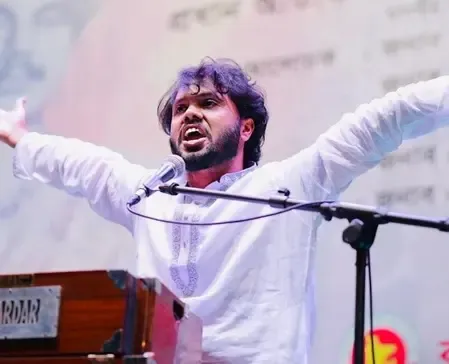
Investigators have pointed fingers at the Awami League regarding the killing of student leader Sharif Osman Hadi. In the aftermath, online propaganda shifted focus to how Sheikh Hasina, the alleged mastermind of the crime, is purportedly being protected by New Delhi.
Moreover, Indian agencies have uncovered conspiracy theories suggesting that India was behind the killing, with claims that Indian operatives assisted the Awami League as a means of retaliation for Sheikh Hasina's ouster. This narrative has incited violence and hostility towards Indian interests in Bangladesh as well as against the minority community.
The ISI has also circulated a rule book instructing Bangladeshis to view cooperation with India as a betrayal. Those who fail to adhere to this rule face severe repercussions from radical mobs.
Moreover, the rule book advocates that any crisis in Bangladesh should be attributed to India. To be considered a patriot, one must oppose India, according to these circulating guidelines.
Social media platforms including Facebook, X, Instagram, and Threads are inundated with anti-India content and this rule book, which is a primary catalyst for the ongoing violence. Indian agencies have identified numerous posts regarding elections, alleging Indian interference.
These posts further assert that India is meddling in Bangladesh's matters. Additionally, there is extensive content regarding the Northeast, suggesting that the separation of the Seven Sisters would resolve Bangladesh's flood issues. Indian officials have dismissed such claims, labeling them as a ploy by Pakistan to foster anti-India sentiment among Bangladeshis.
If the ISI achieves its goal, it could easily advance its agenda in Bangladesh with little public resistance. An Intelligence Bureau official noted that many of these social media accounts are traced back to Pakistan and Gulf nations.
The ISI’s online propaganda unit, based in Karachi, manages these accounts. This same unit has been implicated in generating fake narratives to incite tensions within India and has also been linked to numerous honey-trap incidents in the country.
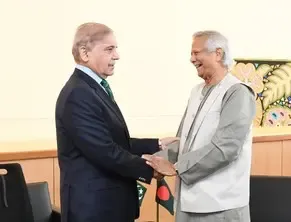
Observers of Bangladesh’s political climate view these actions as blatant provocations towards India. New Delhi must navigate this situation with caution as Bangladesh's elections approach in February, necessitating ongoing engagement.
However, there are concerns that even if diplomatic relations improve, the public’s perception is rapidly shifting due to the relentless fake narratives propagated by radical factions.
Officials caution that the ISI aims to replicate a Pakistan-like environment in Bangladesh, where anti-India sentiment pervades. Another official expressed hope that rationality prevails, encouraging the populace to recognize the value of ties with India instead of succumbing to a misleading social media campaign that promotes hatred against India.
Point of View
It's imperative to highlight the significance of nuanced narratives in today's volatile political climate. While the challenges posed by radical elements are evident, it remains crucial for both Bangladesh and India to engage constructively, prioritizing peace and cooperation over division.
NationPress
29 Sept 2026
Frequently Asked Questions
What is the current state of relations between Bangladesh and India?
Relations have soured significantly due to violence instigated by radical elements, particularly against minority communities, and the spread of anti-India narratives.
What role does the ISI play in the unrest in Bangladesh?
The ISI is believed to be supporting radical groups in Bangladesh, fueling anti-India sentiment through propaganda and misinformation.
How are social media platforms influencing public opinion in Bangladesh?
Social media platforms are inundated with anti-India content, spreading narratives that blame India for various crises in Bangladesh.
What are the implications for the upcoming elections in Bangladesh?
The escalating tensions and radical narratives could significantly impact public sentiment and the political landscape leading into the elections.
How can India respond to the situation?
India should engage diplomatically while addressing the misinformation and fostering positive narratives to strengthen ties with Bangladesh.