Is Bangladesh's Anti-India Violence Escalating Before Elections?
Synopsis
As Bangladesh gears up for its February elections, alarming reports suggest a surge in anti-India violence orchestrated by the Jamaat-e-Islami, backed by the ISI. This situation raises serious concerns for India’s national security and diplomatic relations.
Key Takeaways
Anti-India sentiment expected to rise in Bangladesh.
Violence is likely premeditated, not random.
The ISI is orchestrating events to destabilize the region.
India is withdrawing families of officials in light of security concerns.
Potential risks if Jamaat-e-Islami gains power post-elections.
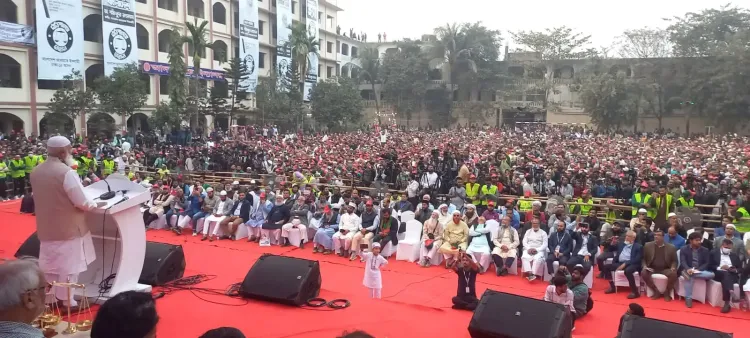
New Delhi, Jan 23 (NationPress) As Bangladesh prepares for its upcoming elections in February, the anti-India sentiment is expected to intensify. Intelligence agencies have intercepted communications indicating that violence is likely to escalate, suggesting these events are premeditated rather than random.
The ISI-controlled Jamaat-e-Islami is reportedly orchestrating this anti-India narrative, driven by its own agenda to consolidate electoral support, according to officials.
India is closely monitoring these developments and plans to engage diplomatically after the elections. Currently, the Indian government perceives Bangladesh as unstable and dangerous. An official from the Intelligence Bureau mentioned that the possibility of violence remains high. Should the Jamaat feel threatened by its standing in the polls, a significant increase in violence may occur. The ISI's objective is to establish a Jamaat-led government to exert greater influence.
Furthermore, if the Bangladesh Nationalist Party (BNP) gains momentum, the Jamaat might resort to unleashing its supporters to destabilize the electoral process. In anticipation of potential anti-India protests, New Delhi has decided to withdraw the families of Indian officials stationed in Bangladesh, citing security concerns.
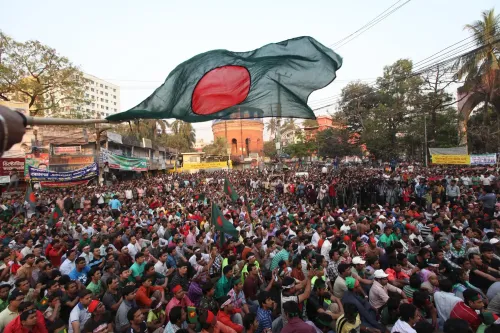
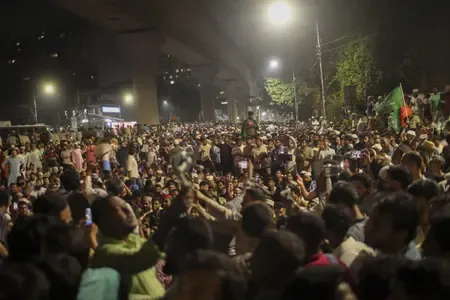
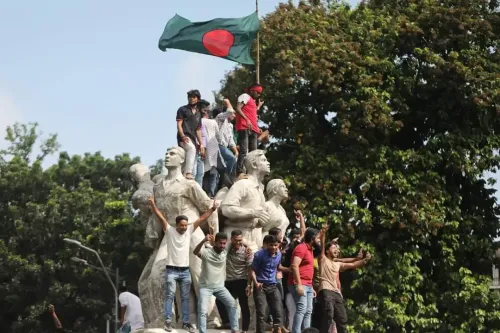
In recent weeks, there have been violent demonstrations in Bangladesh, with Indian missions becoming targets. The Jamaat is propagating the narrative that India is complicit in the death of student leader Osman Hadi. They are also alleging that India, which has provided refuge to the former Prime Minister Sheikh Hasina, is meddling in the electoral process. Such narratives are expected to escalate as elections draw near, aiming to incite violence and create instability.
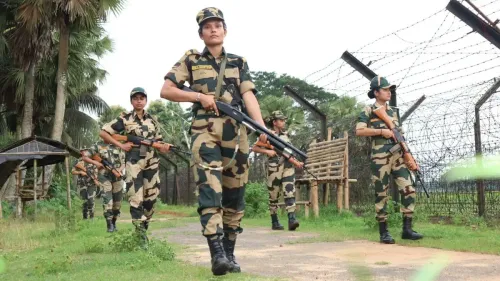
From India's perspective, the upcoming period poses significant challenges. Assam's Chief Minister, Himanta Biswa Sarma, mentioned at the World Economic Forum (WEF) Annual Meeting in Davos that intelligence reports indicate the presence of senior commanders from the United Liberation Front of Assam (ULFA) and other militant entities in Bangladesh.
According to intelligence sources, these figures have been strategically introduced into Bangladesh, with plans to infiltrate northeastern states and carry out terrorist activities. The aim is to exert pressure on India's security apparatus.
The ISI is strategizing a multifaceted assault against India as elections approach in Bangladesh. This includes amplifying the anti-India discourse while simultaneously targeting minorities. Moreover, efforts to increase infiltration into India, particularly in the northeastern states and West Bengal, are anticipated.
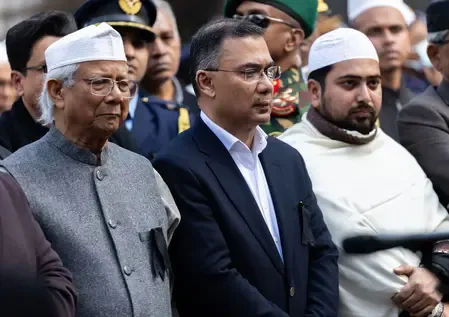
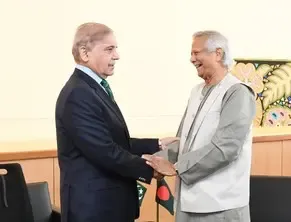
Officials assert that this phase is particularly precarious, and if the Jamaat secures power, navigating the situation will be challenging. Additionally, the involvement of China and Pakistan complicates matters, as neither nation desires India's influence in Bangladesh. Both countries favor a Jamaat government, with China reportedly supporting Mohammad Yunus as the potential president post-elections.
Yunus is seen as beneficial for both nations due to concessions made during his tenure as caretaker of the interim government. An official disclosed that a pact has been established, ensuring Yunus's presidency if the Jamaat is victorious.
Point of View
It is imperative to recognize the calculated nature of these events. As a national editor-in-chief, I emphasize that while the situation poses risks, India must maintain a vigilant and strategic approach, prioritizing diplomatic engagement and security measures.
NationPress
24 Sept 2026
Frequently Asked Questions
What is the current political situation in Bangladesh?
Bangladesh is approaching elections in February, with rising anti-India sentiment fueled by the Jamaat-e-Islami, which is reportedly orchestrating violence.
How does India view the current situation in Bangladesh?
India perceives Bangladesh as unstable and is closely monitoring developments, preparing for diplomatic actions post-elections.
What role is the ISI playing in Bangladesh's political landscape?
The ISI is allegedly supporting the Jamaat-e-Islami to create an anti-India narrative and consolidate power in Bangladesh.
Are there security concerns for India related to Bangladesh's elections?
Yes, intelligence reports indicate potential violence and infiltration attempts by militant groups from Bangladesh into northeastern India.
What is the potential outcome if the Jamaat-e-Islami comes to power?
If the Jamaat secures power, it may exacerbate anti-India sentiments and complicate India-Bangladesh relations.