Is BNP the Leading Candidate as India Engages Amid Jamaat-ISI Concerns Before Bangladesh Elections?
Synopsis
As India strengthens its ties with the BNP, concerns grow over Jamaat-e-Islami and ISI interference ahead of Bangladesh's elections. Khaleda Zia's health adds emotional weight, potentially influencing voters. With the Awami League sidelined, the BNP appears poised for a significant victory.
Key Takeaways
India's engagement with the BNP is crucial for regional stability.
Khaleda Zia's health may influence voter sentiment.
The ban on the Awami League has reshaped the political landscape.
Election manipulation by Jamaat and ISI poses security risks.
The BNP's independence from Jamaat may strengthen its position.
New Delhi, Dec 2 (NationPress) The relationship between India and Bangladesh has deteriorated significantly following the removal of Sheikh Hasina. The situation has worsened due to the hostile regime of Muhammad Yunus, which is under the influence of Jamaat-e-Islami. Despite this, India recognizes the necessity of fostering positive relations with Bangladesh and has been engaging with the Bangladesh Nationalist Party (BNP).
New Delhi has maintained communication with the BNP leadership, despite past tensions when this party was in power. The BNP has reciprocated India's overtures, understanding that strong relations are crucial for the welfare of both nations and the wider region.
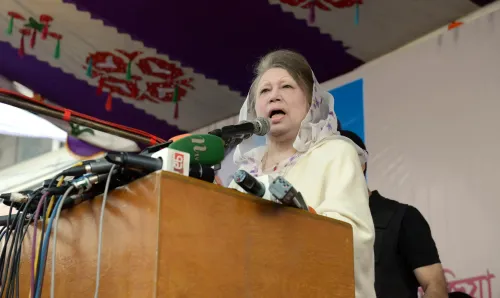
One pivotal decision by the BNP was to participate in the upcoming elections independently and not in alliance with the Jamaat-e-Islami, as it had previously done. This move aligns with India's interests since the Jamaat is perceived as a proxy for the ISI and prioritizes Pakistan's agenda. Together with Pakistan, there are concerns about a return to a pre-1971 landscape. Prime Minister Modi’s expressed concern for BNP Chief Khaleda Zia’s health and the party's response indicate improving relations.
After the Prime Minister’s thoughtful message wishing Khaleda Zia a swift recovery, the BNP expressed its heartfelt thanks via social media, acknowledging Modi’s goodwill and readiness to assist.
Indian officials note that the strengthening ties between India and the BNP, which is poised to win the February elections, is unsettling for both the Jamaat and Pakistan. With the Awami League sidelined due to an election ban, the environment seems to favor the BNP.
An official from the Intelligence Bureau mentioned that with the BNP leading, efforts are underway to manipulate the election results in favor of the Jamaat. Both the Jamaat and the ISI are unlikely to support a BNP-led government for various reasons, including the potential weakening of the Jamaat’s influence and the disruption of its radical agenda. The ISI fears that a BNP government would limit its operations in Bangladesh.
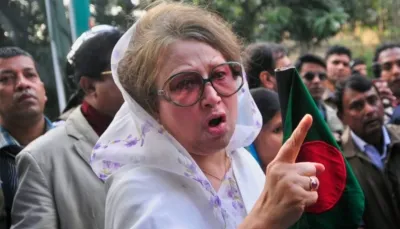
Moreover, the BNP’s connection with India is a source of irritation for Pakistan. Khaleda Zia’s deteriorating health is expected to garner significant sympathy for the BNP, possibly influencing election outcomes.
Officials report that the Bangladeshi establishment has been obstructive toward Zia’s son and acting BNP chairperson, Tarique Rahman, concerning his return to the country. While he is expected to return soon to support his mother, the process has been fraught with difficulties, and the Yunus government has only made superficial efforts to ease his return. Currently based in London, Rahman expressed his longing to reunite with his mother, emphasizing the emotional weight of the situation.
He stated, “I, like any child, have an intense desire to receive my mother's affectionate touch. However, the ability to realize this is not solely within my control. We are hopeful that my prolonged wait for repatriation will soon end as the political landscape stabilizes.”
BNP leaders indicate that Tarique, who has been in London since 2008, prefers to return on a new Bangladeshi passport rather than utilize a one-time travel pass. An official noted that delays in processing his travel are due to security concerns. Emerging as a potential future Prime Minister of Bangladesh, Tarique's return is not in the interests of the Jamaat or the ISI.
Although previously accused of having connections with the ISI, Tarique’s position has evolved. The sympathy surrounding Zia’s health and his anticipated visit to Bangladesh are likely to energize the party’s base.
Officials suggest that post-election dynamics will shift significantly for the Yunus administration, the Jamaat, and Pakistan, all of whom are keen to maintain their grip on power. The ban on the Awami League reflects their insecurity.
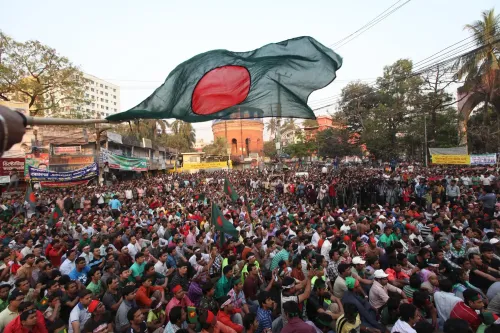
In the absence of their leader, Sheikh Hasina, the Awami League has seen a considerable decline. Experts believe that Awami League supporters may either abstain from voting or shift their allegiance to the BNP. To counter the BNP, the ISI and Jamaat are expected to engage in significant manipulation to favor their interests. However, such actions could escalate into widespread violence in Bangladesh, posing serious security risks.
Point of View
It is crucial to recognize the complexities of the current political environment in Bangladesh. The strengthening of ties between India and the BNP reflects a shared interest in stability in the region. However, potential external influences and internal challenges pose significant risks. It is imperative to approach this situation with a commitment to unbiased reporting, ensuring that our audience stays informed on the evolving dynamics.
NationPress
19 Sept 2026
Frequently Asked Questions
What is the current political situation in Bangladesh?
The political climate in Bangladesh is tense, primarily due to the Jamaat-e-Islami's influence under the Yunus regime and the upcoming elections that have sidelined the Awami League.
How is India involved in Bangladesh's political scenario?
India has been strengthening its ties with the BNP, recognizing the importance of stable relations as the BNP prepares for elections amidst concerns over Jamaat-e-Islami's influence.
What role does Khaleda Zia's health play in the elections?
Khaleda Zia's health issues are expected to garner sympathy from voters, potentially benefiting the BNP during the elections.
What are the implications of the Awami League's ban?
The Awami League's ban from contesting elections has weakened its position, leading to speculation that its supporters may shift to the BNP.
Why is there concern over election manipulation?
There are fears that the Jamaat and ISI will attempt to manipulate the election results to maintain control, posing risks of violence and instability in Bangladesh.