How can India Utilize its Economic and Political Strength to Engage with Bangladesh?
Synopsis
A recent report emphasizes the necessity for India to leverage its economic and political influence to effectively engage with Bangladesh. With the return of the BNP to power, India faces unique challenges and opportunities in diplomatic relations that could shape the future of South Asian geopolitics.
Key Takeaways
India must utilize its economic and political strength in engaging with Bangladesh .
The new BNP leadership presents both challenges and opportunities for India.
Strategic and security cooperation is essential for safeguarding India's interests.
Effective communication is key in negotiations with the BNP.
India should prioritize long-term economic influence in Bangladesh.
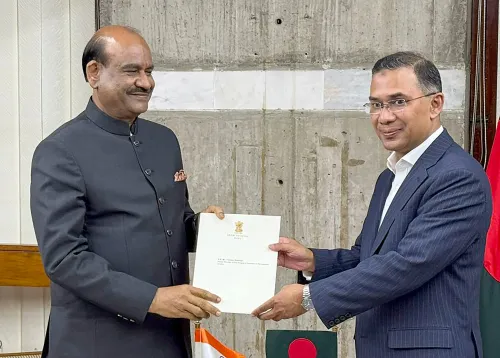
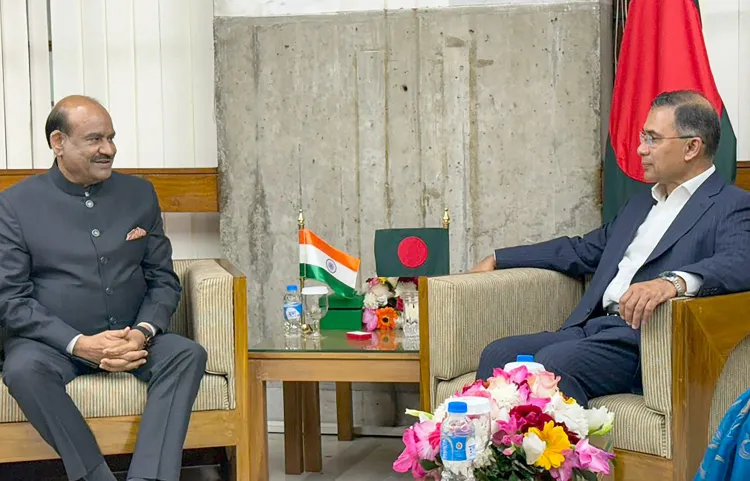
Dhaka, Feb 17 (NationPress) India should capitalize on its economic and political power to implement a strategy of soft deterrence, which combines preventive measures with re-engagement diplomacy. This approach will enable India to negotiate with Bangladesh from a position of strength. The responsibility for safeguarding and advancing interests should primarily lie with Dhaka, according to a report released on Tuesday.
“The Bangladesh Nationalist Party (BNP) has regained power after decades, demonstrating significant electoral influence in the recent elections that followed the ousting of Sheikh Hasina in 2024. As India seeks to engage with the new government in Dhaka, it must adopt a comprehensive strategy with clear objectives, especially in light of longstanding tensions between New Delhi and Dhaka,” the report in ‘India Narrative’ elaborated.
The findings suggest that India should focus on engaging with Dhaka across two critical areas: strategic and security, while indicating that opportunities for recalibration are limited.
“Taking a strategically assertive stance in dealings with the BNP leadership is crucial, as the issue surrounding the extradition of Sheikh Hasina presents a significant challenge that could hinder recalibration efforts. Consequently, India needs to actively pursue economic and political strategies to contain any adversarial actions from Dhaka and protect its own interests,” it outlined.
The report noted that previous approaches advocating for recalibration and a wait-and-see stance have yielded no substantial results. Under the new BNP leadership, particularly with Tarique Rahman in charge, there is a likelihood of increasing hyper-autonomy and anti-India sentiments.
At the strategic level, the report highlighted the importance of India utilizing its long-standing economic clout in Bangladesh, focusing on areas such as trade of essential goods, electricity exports, and supply chain management.
“In the current South Asian context, India possesses a formidable position in the geo-economic landscape concerning Bangladesh and should leverage this strength if Dhaka attempts to overreach. India’s negotiation tactics should prioritize communication over direct confrontation, employing a transactional realism approach to convey to the BNP that Bangladesh’s autonomy is at stake without India or amidst anti-India sentiments. In essence, India ought to be positioned to impose caution rather than compulsion on Dhaka when necessary,” it added.
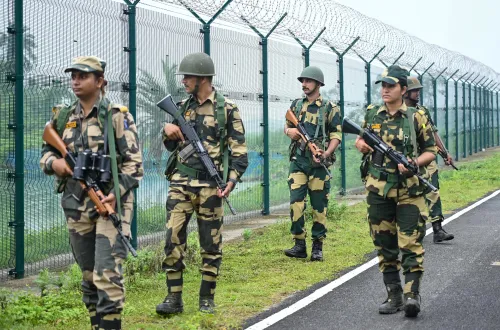
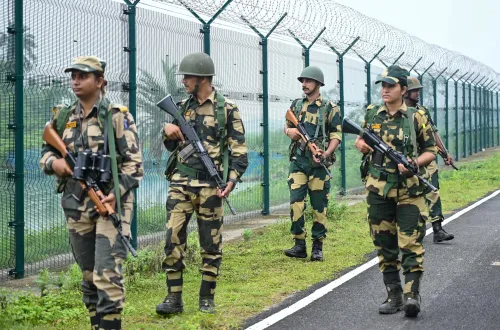
On the security front, the report warned that the resurgence of the radical Islamist party Jamaat-e-Islami and its growing influence represent a tangible terror threat not just to India, but also to Bangladesh itself.
“The JMB group may seek to reestablish its presence. Given the struggles of ISKP to assert itself in the South Asian region, coupled with JMB’s close ties to ISIS (often regarded as an ISIS proxy in Bangladesh) and Pakistan’s attempts to gain strategic depth in Dhaka against India, the threat becomes increasingly evident and serious. Therefore, India must communicate to Dhaka that security collaboration is essential, while also ensuring that New Delhi can exercise significant caution in its dealings with Dhaka,” it stated.
Point of View
I believe that India's proactive engagement with Bangladesh, particularly under the new BNP leadership, is essential for maintaining regional stability. The focus should be on strategic and security cooperation, ensuring that India remains a significant player in South Asian geopolitics.
NationPress
24 Sept 2026
Frequently Asked Questions
What is the main focus of the report regarding India's engagement with Bangladesh?
The report emphasizes the need for India to leverage its economic and political strengths to engage with Bangladesh effectively, especially under the new BNP leadership.
Why is the BNP's return to power significant for India?
The BNP's return signifies a shift in Bangladesh's political landscape, which presents both challenges and opportunities for India's diplomatic strategies.
What are the key areas of focus for India in its engagement with Bangladesh?
India should prioritize strategic and security engagements with Bangladesh, addressing long-standing fears and frictions.