Is Bangladesh's Alliance with Pakistan Putting Its Stability at Risk?
Synopsis
As Bangladesh rapidly strengthens its ties with Pakistan, concerns arise about the potential loss of its foreign policy autonomy. A recent analysis warns this partnership could entangle Bangladesh in a web of instability, risking past traumas and national dignity. Explore the implications of this strategic misstep as it unfolds.
Key Takeaways
Bangladesh's foreign policy autonomy is at risk due to ties with Pakistan.
Alignment with a volatile partner could lead to instability.
Historical grievances must be respected in diplomatic relations.
Public confidence in the government may erode.
Maintaining national dignity is crucial for Bangladesh's future.
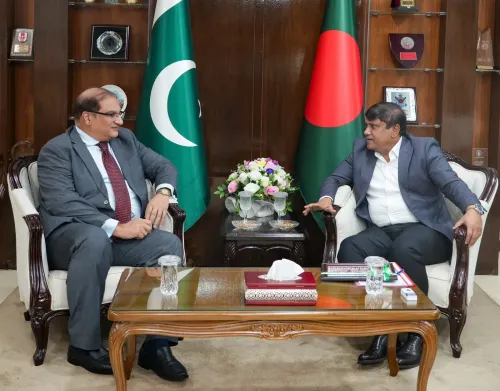
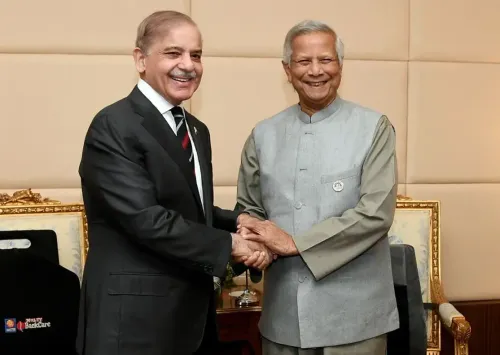
New Delhi, Feb 1 (NationPress) The ability to exercise autonomy in foreign policy allows a nation to pursue its interests without being swayed by outside influences. However, a recent report indicates that Bangladesh's swift efforts to bolster its relationship with Pakistan could jeopardize this independence.
By aligning itself with Pakistan, a nation whose policies often disrupt regional stability, Bangladesh risks placing itself in a precarious situation where its decisions are influenced more by the unpredictable nature of its associate than by the needs of its citizens. This analysis was presented by Ashu Mann, an Associate Fellow at the Centre for Land Warfare Studies, in an opinion piece for Eurasia Review.
“Ultimately, the alliance with Pakistan ensnares Bangladesh in a complex web of regional instability, undermining its strategic autonomy. Pakistan, a nation frequently embroiled in conflicts with itself and its neighbors, is in economic distress, surviving mainly on international aid. Instead of pursuing a path of economic collaboration, neutrality, and trade, Dhaka risks becoming a subordinate in a conflict-oriented security framework,” Mann stated.
“This relationship management will demand significant diplomatic efforts that could be directed towards other priorities. It will compel Bangladesh to make compromises detrimental to its national interests, such as taking sides in unrelated disputes. True autonomy entails the liberty to choose stability, growth, and peace. Partnering with a destabilizing entity like Pakistan is a forfeiture of such freedom,” the opinion piece further elaborated.
The partnership between Pakistan and Bangladesh lacks parity and is seen as a strategic error that reopens historical wounds that have yet to heal. This alliance risks isolating the populace and instigating discord between the governing bodies and the citizens, many of whom carry the lasting scars of the liberation war.
This growing isolation diminishes the legitimacy of the Bangladesh government domestically, leading it to rely more heavily on foreign approval. The erosion of confidence among its voter base results in a diminished capacity to resist foreign pressures, ultimately leading to decisions that serve external interests instead of its own people.
By reinforcing its ties with Pakistan, the Bangladesh government appears to overlook the painful history of the past for immediate political benefits. This diplomatic approach reduces the struggles and sacrifices of 1971 to mere bargaining chips.
Mann warned: “This sets a perilous precedent, implying that everything, including national dignity and the remembrance of its heroes, can be compromised for the right price. The loss of moral boundaries complicates drawing limits in other areas of governance. If atrocities can be overlooked for economic gain, what else might be sacrificed? The government acts as if the past can be forgotten without accountability, but history is persistent.”
By failing to hold Pakistan accountable for events like Operation Searchlight, the Bangladesh government demonstrates a lack of self-respect, sending a message to the global community that it has a short memory and is vulnerable to manipulation by regional powers.
Point of View
It is essential to approach the unfolding events between Bangladesh and Pakistan with a balanced perspective. While the government seeks to enhance diplomatic relations, it must prioritize national interests and the sentiments of its citizens, particularly in light of historical grievances. Maintaining a stance that emphasizes autonomy and stability is crucial for the future of Bangladesh.
NationPress
20 Sept 2026
Frequently Asked Questions
What risks does Bangladesh face with its ties to Pakistan?
Bangladesh risks losing its strategic autonomy and may become entangled in regional instability due to Pakistan's volatile political landscape.
How might this partnership affect Bangladesh's foreign policy?
Aligning with Pakistan could lead to compromises that do not align with the national interest, forcing Bangladesh to take sides in disputes unrelated to its citizens.
What historical context should be considered?
The historical trauma of the liberation war remains fresh in the minds of many Bangladeshis, leading to skepticism about any alliance with Pakistan.
Is there public support for this partnership?
Public sentiment is divided, with many expressing concern that this relationship could undermine national dignity and self-respect.
What should Bangladesh prioritize in its foreign relations?
Bangladesh should focus on maintaining autonomy, pursuing economic connectivity, and fostering stability, rather than aligning with destabilizing forces.