Delhi HC disposes of PIL on cow dung logs as cremation fuel alternative
Synopsis
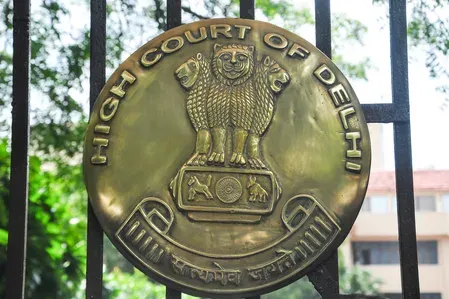
The Delhi High Court has disposed of a PIL seeking mandatory use of Gaukasth — cow dung logs — as cremation fuel in Delhi, where grounds reportedly burn 45,600 tonnes of firewood a year. Rather than issuing directions, the bench has pushed the matter to the executive, giving the petitioner two weeks to file a formal representation with authorities.
Key Takeaways
The Delhi High Court disposed of a PIL on 21 May seeking promotion of Gaukasth (cow dung logs) as primary cremation fuel in the national capital.
A bench of Chief Justice Devendra Kumar Upadhyaya and Justice Tejas Karia directed the petitioner to approach concerned authorities within two weeks .
Delhi cremation grounds reportedly consume 45,600 tonnes of firewood annually, with each cremation using 400–500 kg of wood.
The PIL named the Centre , Delhi government , MCD , CPCB , and DPCC as respondents.
A March 2023 NITI Aayog Task Force report and a CPCB study were cited in support of Gaukasth's viability.
Gaukasth-based cremations are already being promoted in Sirsa , Bhopal , and Gajapati district .
The Delhi High Court on Wednesday, 21 May disposed of a public interest litigation seeking directions to promote Gaukasth (cow dung logs) as the primary cremation fuel across the national capital, replacing conventional firewood. The bench directed the petitioner to approach the relevant authorities through a formal representation instead.
Court's Order
A Division Bench comprising Chief Justice Devendra Kumar Upadhyaya and Justice Tejas Karia granted liberty to the petitioner to raise the issues flagged in the plea before concerned authorities. 'Having regard to the issues raised in the present Petition, we dispose of the same with a liberty to the Petitioner to approach the various authorities… by way of making a representation for redressal of the grievance and issues raised in the present Petition,' the court stated in its order.
The bench directed that the representation be filed within two weeks, accompanied by all supporting documents. It further ordered that the authorities take a 'workable decision as per law' and communicate their response to the petitioner.
What the PIL Sought
Filed by Ajay Kumar Ghakar, trustee of Gaudaan Foundation, the petition sought directions to the Centre, the Delhi government, the Municipal Corporation of Delhi (MCD), the Central Pollution Control Board (CPCB), and the Delhi Pollution Control Committee (DPCC) to establish a dedicated 100 per cent biomass fuel-based cremation system using Gaukasth. The plea also sought guidelines for improved management of gaushalas, covering fodder supply, veterinary care, and animal welfare.
The Pollution and Deforestation Argument
The petition claimed that Delhi's cremation grounds currently consume around 45,600 tonnes of firewood annually, with each traditional cremation using nearly 400–500 kg of wood — contributing to deforestation and both air and land pollution. Citing a CPCB Regional Directorate study conducted in Bhopal, the plea argued that Gaukasth is a scientifically viable eco-friendly alternative.
The petition also relied on a March 2023 NITI Aayog Task Force report, which reportedly highlighted that the production and promotion of cow dung-based products and bio-fertilisers could improve the economic sustainability of gaushalas.
Precedents from Other States
The petitioner cited existing Gaukasth-based cremation initiatives in Sirsa (Haryana), Bhopal (Madhya Pradesh), and Gajapati district (Odisha) as evidence of scalability. In Delhi itself, the erstwhile South Delhi Municipal Corporation (SDMC) had floated a proposal in January 2021 to use cow dung logs for cremations to reduce costs and support economically weaker sections. During the Covid-19 pandemic in 2021, civic bodies in Delhi had also approved the use of cow dung and stubble mixtures amid firewood shortages.
Constitutional Angle
The plea argued that wider adoption of Gaukasth would reduce pollution, conserve forests, improve gaushala sustainability, and address the stray cattle problem — aligning with Article 51A of the Constitution on environmental protection. Advocates Mrinal Kishor and Saumya Dwivedi represented the petitioner. With the court's disposal, the matter now moves to the executive track, where the authorities' response will determine whether the proposal advances into policy.
Point of View
Preferring to route the issue through executive channels. Yet the underlying problem is real. Delhi's cremation grounds burning 45,600 tonnes of firewood a year is a measurable contributor to the city's chronic air quality crisis, and the CPCB's own regional research reportedly supports Gaukasth's viability. The gap between available evidence and policy adoption points to institutional inertia rather than technical uncertainty. Whether the MCD and DPCC act on the petitioner's representation, or file it away, will be the true test of the court's nudge.
NationPress
26 Sept 2026
Frequently Asked Questions
What did the Delhi High Court rule on the Gaukasth cremation PIL?
The Delhi High Court disposed of the PIL on 21 May, declining to issue direct directions. Instead, it granted the petitioner liberty to file a formal representation before the concerned authorities within two weeks, with instructions that those authorities take a workable decision as per law.
What is Gaukasth and why is it proposed as a cremation fuel?
Gaukasth refers to compressed cow dung logs used as biomass fuel. Proponents argue it is an eco-friendly alternative to firewood, reduces deforestation and air pollution, and can improve the economic sustainability of gaushalas — claims reportedly supported by a CPCB regional study and a 2023 NITI Aayog Task Force report.
How much firewood do Delhi cremation grounds currently use?
According to the petition, Delhi's cremation grounds consume approximately 45,600 tonnes of firewood annually, with each traditional cremation requiring 400–500 kg of wood, contributing to deforestation and pollution.
Which authorities must now respond to the petitioner's representation?
The court directed the petitioner to approach the Centre, the Delhi government, the Municipal Corporation of Delhi (MCD), the Central Pollution Control Board (CPCB), and the Delhi Pollution Control Committee (DPCC) with a formal representation backed by supporting documents.
Has Gaukasth been used for cremations anywhere in India before?
Yes. Gaukasth-based cremations have reportedly been promoted in Sirsa (Haryana), Bhopal (Madhya Pradesh), and Gajapati district (Odisha). In Delhi, the erstwhile South Delhi Municipal Corporation proposed its use in January 2021, and civic bodies approved cow dung and stubble mixtures during the Covid-19 firewood shortage in 2021.