Delhi HC grants Ravi Kishan injunction against AI deepfake misuse
Synopsis
The Delhi High Court has moved swiftly to shield BJP MP and actor Ravi Kishan from AI deepfakes and pornographic misuse of his identity — ordering Meta, Google, and X Corp to act within 72 hours. The ruling is the latest in a string of high-profile personality rights cases, signalling that Indian courts are hardening their stance on AI-enabled impersonation of public figures.
Key Takeaways
The Delhi High Court granted an ex parte ad-interim injunction on 6 July in favour of actor-politician Ravi Kishan .
The injunction bars unauthorised use of his name, image, voice, and likeness via AI, deepfakes, and Generative AI across all platforms.
Meta, Google, and X Corp. have been directed to remove flagged content within 72 hours of notification by the plaintiff.
Ravi Kishan has starred in over 750 films across multiple languages over a career spanning more than three decades .
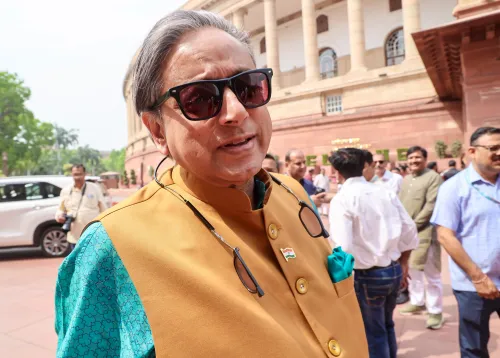
The case joins a growing list of personality rights suits filed by public figures — including Gautam Gambhir , Aishwarya Rai Bachchan , and Shashi Tharoor — before the Delhi High Court.
The next hearing is scheduled for 16 October ; pleadings are to be completed before the Joint Registrar by 13 August .
The Delhi High Court has granted an ex parte ad-interim injunction in favour of actor and Bharatiya Janata Party (BJP) Member of Parliament Ravi Kishan, restraining multiple entities from unauthorised commercial exploitation of his name, image, voice, and other personality attributes — including through Artificial Intelligence (AI), deepfake technology, and other digital tools. The order was passed on 6 July by a single-judge Bench of Justice Jyoti Singh in a commercial suit filed by Ravi Kishan, also known as Ravindra Shukla.
What the Suit Alleged
The suit named several defendants, including social media accounts, websites, domain name registrars, intermediaries, and unidentified 'John Doe' entities allegedly involved in the unauthorised use of his persona. The plaintiff alleged widespread misuse through AI-generated content, vulgar and obscene videos, fabricated statements circulated on social media, and pornographic content falsely associated with him.
Several websites were allegedly using Ravi Kishan's name in connection with sexually explicit material, while social media accounts had reportedly uploaded fabricated and offensive content that tarnished his image and reputation.
What the Court Observed
Justice Singh noted that Ravi Kishan is a renowned actor with a career spanning over three decades, having starred in more than 750 films across multiple languages, and that his commercial identity is intrinsically linked with his name, image, likeness, voice, and signature catchphrases.
'Plaintiff has made out a prima facie case for grant of ex parte ad-interim injunction. Balance of convenience lies in favour of the Plaintiff and he is likely to suffer irreparable harm in case interim injunction is not granted,' the court stated in its order.
The court further held that personality rights are judicially recognised and deserve legal protection, particularly where unauthorised use results in commercial detriment, invasion of privacy, and injury to a person's dignity.
Scope of the Injunction
The Delhi High Court restrained the defendants and all parties acting on their behalf from using or exploiting Ravi Kishan's name, image, likeness, or any other identifiable aspect of his persona for commercial or personal gain through any technology — including Generative AI, Machine Learning, and deepfakes — across physical, virtual, and social media platforms.
The court also directed identified defendants and domain name registrars to take down infringing URLs listed in the order within three days of receiving a copy. Intermediaries including Meta, Google, and X Corp. were directed to remove identified content within 72 hours upon being notified by the plaintiff if the concerned defendants failed to comply.
Next Hearing and Broader Trend
The matter has been listed before the Joint Registrar on 13 August for completion of pleadings and before the Delhi High Court on 16 October for further hearing.
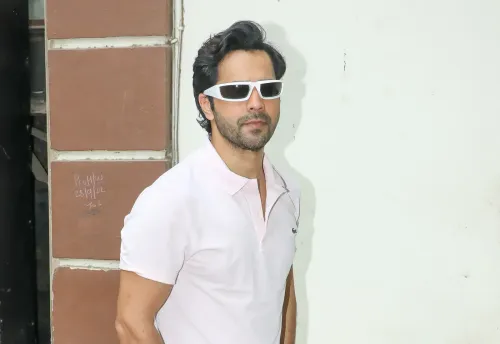
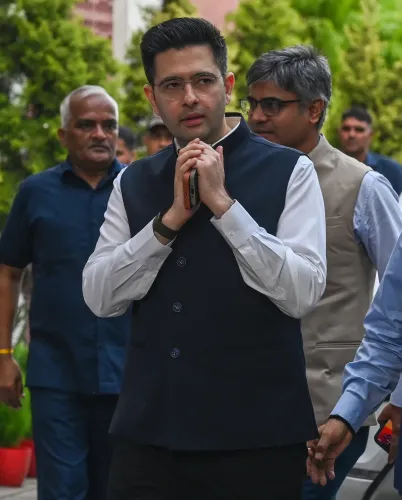
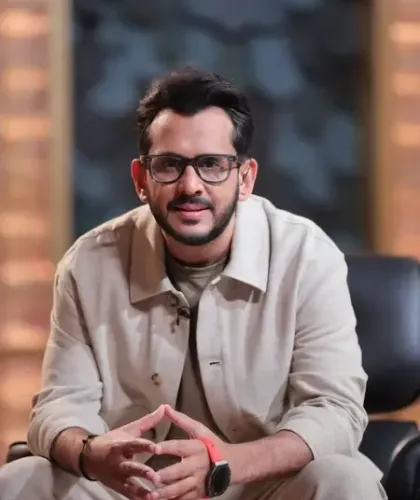
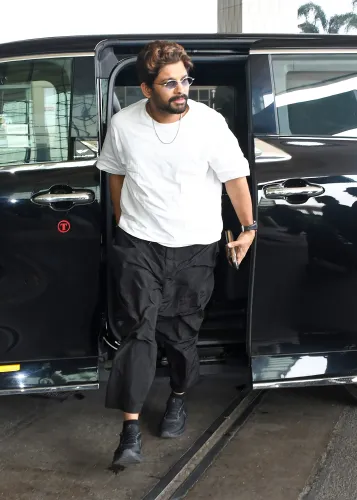
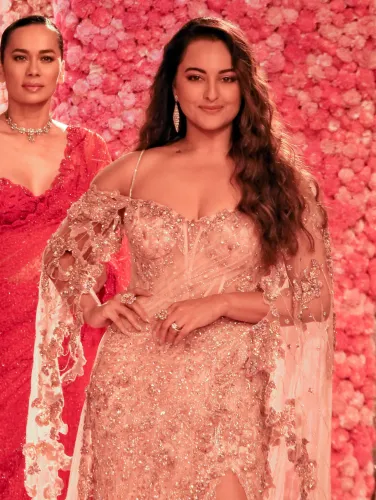
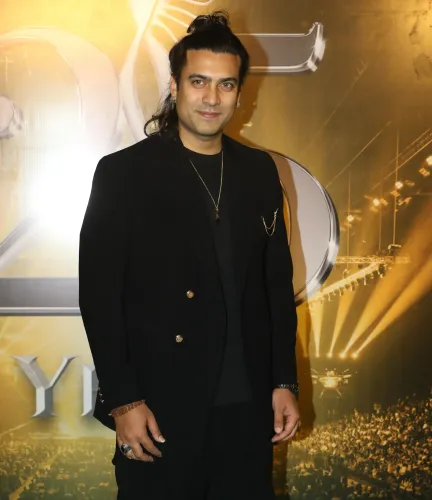
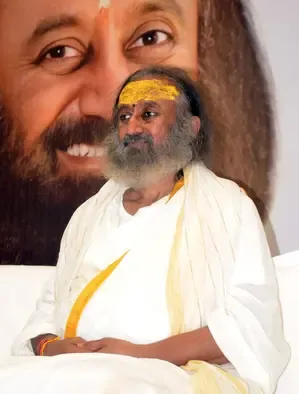
This case adds to a growing body of personality rights litigation before the Delhi High Court. In recent months, public figures including former cricketer and current head coach Gautam Gambhir, former India captain Sunil Gavaskar, spiritual leader Sri Sri Ravi Shankar, actors Arjun Kapoor, Allu Arjun, Nagarjuna, Varun Dhawan, Kajol, Aishwarya Rai Bachchan, and Abhishek Bachchan, singer Jubin Nautiyal, filmmaker Karan Johar, podcaster Raj Shamani, and Congress MP Shashi Tharoor have secured or sought court protection against unauthorised use of their identity or AI-generated imitations. The Ravi Kishan ruling signals that courts are increasingly willing to act swiftly and broadly when AI-enabled misuse of a public figure's persona is alleged.
Point of View
Google, and X Corp. with a 72-hour compliance window is significant — it treats platform intermediaries as active enforcers, not passive conduits. Yet the 'John Doe' framing and the sheer breadth of the injunction raise a practical question: how many such orders can courts issue before enforcement becomes nominal? With over a dozen high-profile personalities having approached the Delhi High Court in recent months alone, the need for a consolidated statutory framework on personality rights — rather than piecemeal injunctions — is becoming harder to ignore.
NationPress
5 Oct 2026
Frequently Asked Questions
What did the Delhi High Court order in the Ravi Kishan personality rights case?
The Delhi High Court granted an ex parte ad-interim injunction on 6 July restraining multiple entities from using Ravi Kishan's name, image, voice, or likeness without authorisation — including through AI, deepfakes, and Generative AI. Intermediaries including Meta, Google, and X Corp. were directed to remove flagged content within 72 hours of being notified by the plaintiff.
What misuse did Ravi Kishan allege in his suit?
The suit alleged that several websites and social media accounts were using Ravi Kishan's identity in connection with sexually explicit and pornographic material, AI-generated content, fabricated statements, and offensive videos that tarnished his reputation. The defendants include social media accounts, websites, domain registrars, and unidentified 'John Doe' entities.
Why did the court find a prima facie case in Ravi Kishan's favour?
Justice Jyoti Singh held that Ravi Kishan — with over 750 films and a career spanning more than three decades — has established personality and publicity rights of significant commercial value. The court found that the balance of convenience favoured him and that he would suffer irreparable harm if the injunction were not granted.
When is the next hearing in the Ravi Kishan case?
The matter is listed before the Joint Registrar on 13 August for completion of pleadings, and before the Delhi High Court on 16 October for further hearing.
Is Ravi Kishan the only public figure to have sought personality rights protection in India?
No. In recent months, several high-profile individuals — including Gautam Gambhir, Sunil Gavaskar, Allu Arjun, Aishwarya Rai Bachchan, Abhishek Bachchan, Karan Johar, and Shashi Tharoor — have secured or sought similar protection from the Delhi High Court against unauthorised use of their identity or AI-generated imitations.