Raghav Chadha moves Delhi HC over AI deepfakes, personality rights
Synopsis
Raghav Chadha's deepfake petition at the Delhi High Court is not an isolated case — it is the latest in a wave of public figures, from cricketers to politicians, rushing to court as AI-generated impersonation outpaces India's legal framework. The sheer breadth of petitioners signals that personality rights litigation is becoming a defining legal battleground of the AI era.
Key Takeaways
BJP Rajya Sabha MP Raghav Chadha has filed a petition in the Delhi High Court seeking protection of his personality and publicity rights.
The plea targets alleged unauthorised use of his name, image, and identity, including AI-generated and morphed content on digital platforms.
The matter is scheduled to be heard by Justice Subramonium Prasad on Thursday .
The case joins a growing list of similar petitions filed by public figures including Gautam Gambhir , Aishwarya Rai Bachchan , Shashi Tharoor , and others.
Congress MP Shashi Tharoor filed a comparable petition earlier this month over deepfake videos falsely depicting him as praising Pakistan.
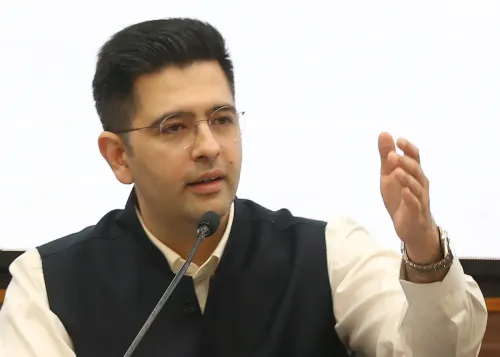
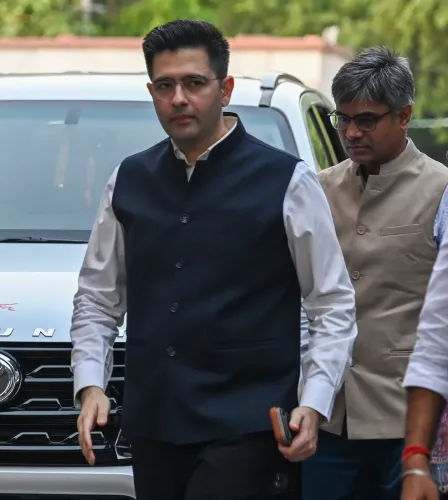
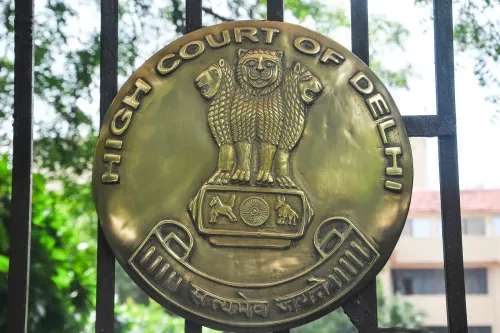
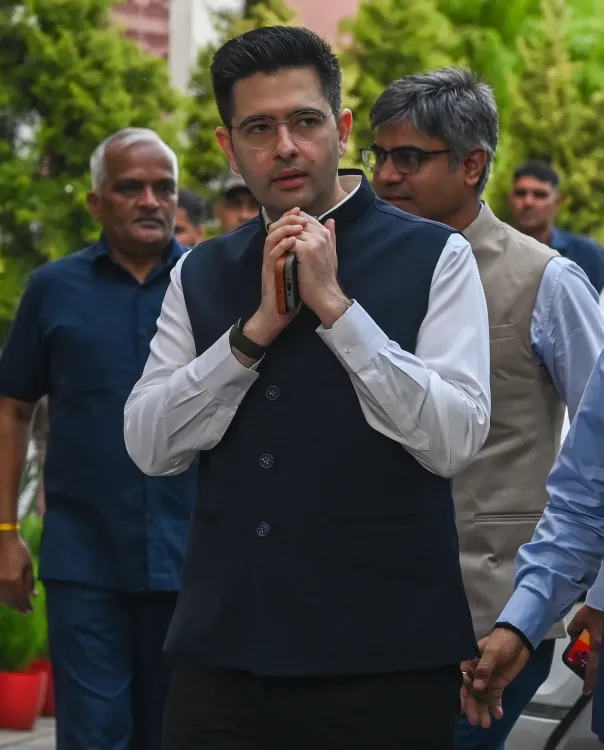
Bharatiya Janata Party (BJP) Rajya Sabha MP Raghav Chadha has filed a petition before the Delhi High Court seeking protection of his personality and publicity rights, targeting the alleged unauthorised use of his name, image, likeness, and identity across digital platforms — including through AI-generated and morphed content. The matter is listed for hearing on Thursday before a single-judge Bench of Justice Subramonium Prasad.
What Chadha Has Sought
According to the cause list published on the Delhi High Court's official website, Chadha has reportedly sought relief against multiple defendants, including unidentified persons impleaded as John Doe parties. The plea alleges unauthorised commercial exploitation and misuse of his persona across online platforms.
The petition specifically seeks the removal of deepfake, AI-generated, and morphed content allegedly circulating online using his identity without his consent or authorisation.
A Pattern Before the Delhi High Court
This case is the latest in a rapidly expanding line of personality rights disputes before the Delhi High Court. In recent months, the court has heard similar petitions from a wide range of public figures, including former cricketer and current India head coach Gautam Gambhir, former cricket captain Sunil Gavaskar, spiritual leader Sri Sri Ravi Shankar, actors Arjun Kapoor, Allu Arjun, Nagarjuna, Kajol, Aishwarya Rai Bachchan, and Abhishek Bachchan, singer Jubin Nautiyal, filmmaker Karan Johar, podcaster Raj Shamani, and Congress MP Shashi Tharoor.
The Tharoor Precedent
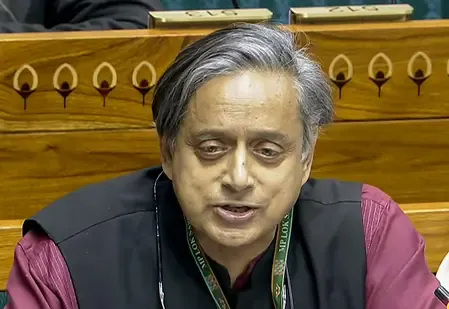
Earlier this month, Congress MP Shashi Tharoor moved the Delhi High Court seeking similar relief, targeting deepfake videos that allegedly depicted him falsely praising Pakistan. Tharoor contended that such videos attributed politically sensitive statements to him, posing a serious threat to his reputation and potentially affecting India's standing internationally. His case underscores how AI-driven impersonation has moved beyond celebrity endorsements into politically charged territory.
Why It Matters
The surge in personality rights litigation reflects a broader crisis of identity misuse in the AI era. Courts across India are being asked to define the legal boundaries of deepfake use, fake endorsements, and AI-generated impersonation — areas where legislation has not yet caught up with technology. The Delhi High Court has emerged as the primary forum for such disputes, and the volume of cases suggests a pressing need for a codified legal framework. Chadha's petition adds political figures to a roster already spanning sport, entertainment, and spirituality.
Point of View
Filling a vacuum that Parliament has yet to address. The roster of petitioners — spanning politicians, cricketers, and film stars — reveals that no category of public figure is insulated. What the court decides on injunctions and takedown standards in these cases will effectively set the interim law of deepfakes in India. The absence of dedicated legislation means each ruling is a patch, not a framework, and the patch is being written case by case.
NationPress
7 Oct 2026
Frequently Asked Questions
Why has Raghav Chadha approached the Delhi High Court?
Raghav Chadha has petitioned the Delhi High Court seeking protection of his personality and publicity rights against the alleged unauthorised use of his name, image, and identity online, including through AI-generated and morphed content. The petition also seeks the removal of deepfake material allegedly circulating without his authorisation.
When is the Delhi High Court hearing scheduled?
The matter is listed for hearing on Thursday before a single-judge Bench of Justice Subramonium Prasad, as per the cause list published on the court's official website.
Who else has filed similar personality rights petitions in India?
A wide range of public figures have sought or secured similar protection from the Delhi High Court, including Gautam Gambhir, Sunil Gavaskar, Sri Sri Ravi Shankar, Arjun Kapoor, Allu Arjun, Aishwarya Rai Bachchan, Abhishek Bachchan, Kajol, Nagarjuna, Jubin Nautiyal, Karan Johar, Raj Shamani, and Shashi Tharoor.
What did Shashi Tharoor's deepfake petition allege?
Congress MP Shashi Tharoor moved the Delhi High Court earlier this month seeking removal of deepfake videos that allegedly depicted him falsely praising Pakistan. He argued the videos attributed politically sensitive statements to him, threatening his reputation and potentially affecting India's international standing.
Is there a law in India specifically covering deepfakes and personality rights?
India currently lacks dedicated legislation on deepfakes or personality rights. Courts, particularly the Delhi High Court, have been addressing such disputes through existing intellectual property and tort principles, effectively setting interim standards through judicial orders as Parliament has yet to enact a specific framework.