Delhi HC orders removal of 5 defamatory posts against Raghav Chadha
Synopsis
The Delhi High Court ordered the removal of five specific posts against BJP MP Raghav Chadha but refused broader relief on personality or publicity rights — drawing a sharp legal line between political criticism and defamation, with significant implications for how AI-generated and deepfake content targeting public figures can be challenged in Indian courts.
Key Takeaways
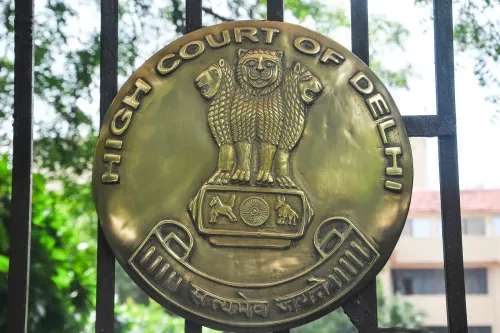
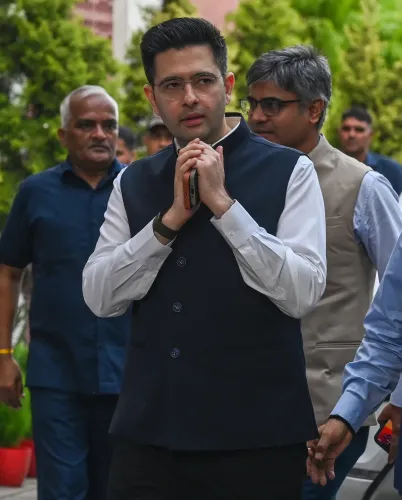
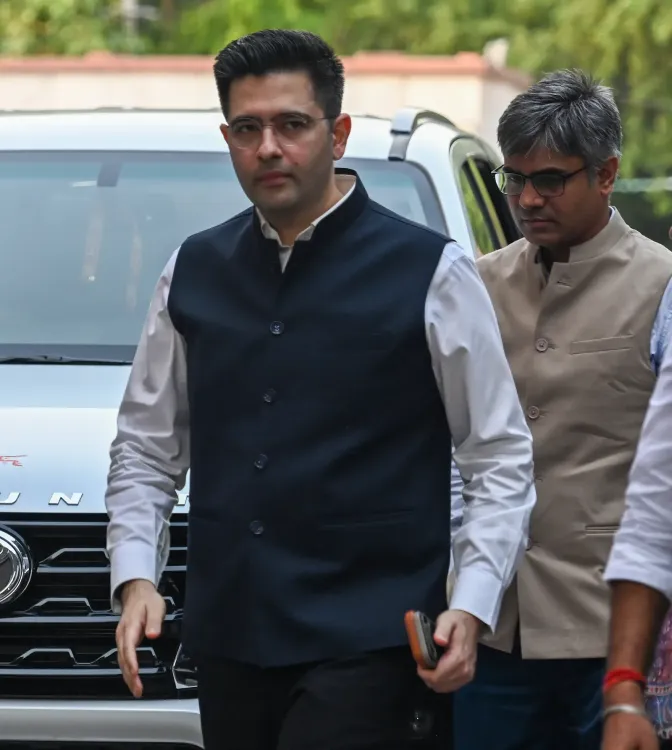
The Delhi High Court on 1 July ordered removal of five prima facie defamatory online posts against BJP Rajya Sabha MP Raghav Chadha .
Justice Subramonium Prasad refused to grant any blanket interim order or wider protection of Chadha's personality and publicity rights.
The court held that, prima facie, the dispute did not involve a violation of personality rights — the content largely constituted criticism of a political decision.
Chadha had sought removal of AI-generated, deepfake, and morphed content , including synthetic voice cloning and fabricated speeches, circulated after his switch from AAP to BJP .
The court suggested Chadha may need to amend his plaint if he intends to pursue formal defamation claims, as the current suit is framed around personality rights.
The Delhi High Court on Wednesday, 1 July ordered the removal of five prima facie defamatory online posts targeting Bharatiya Janata Party (BJP) Rajya Sabha member Raghav Chadha, who had petitioned the court to take down allegedly manipulated digital content claiming he 'sold himself for money' following his switch from the Aam Aadmi Party (AAP) to the BJP. The court, however, stopped well short of granting broader relief.
What the Court Ordered
A single-judge bench of Justice Subramonium Prasad directed the takedown of only the five posts identified as prima facie defamatory, declining to pass any blanket interim order covering the remaining flagged content. The court also refused to extend wider protection to Chadha's personality and publicity rights.
'There is no personality right involved. However, I have ordered a takedown of only five documents. Rest is not defamatory prima facie,' Justice Prasad said in his ruling.
What Chadha Had Sought
Chadha had approached the Delhi High Court seeking protection of his personality and publicity rights against the alleged unauthorised use of his name, image, likeness, and identity across digital platforms. His petition specifically targeted AI-generated, deepfake, and morphed content, as well as synthetic voice cloning, fabricated speeches, and manipulated videos that reportedly circulated after his party switch.
Senior advocate Rajiv Nayar, appearing for Chadha, argued that certain posts crossed the line from political criticism into defamation — particularly those depicting the Prime Minister showering Chadha with cash and other morphed visuals. Nayar contended the material was 'profane and damaging' to the MP's reputation.
The Court's Earlier Observations
While reserving its order on the interim application in May, Justice Prasad had orally noted that the content flagged by Chadha appeared, prima facie, to constitute criticism of a political decision rather than a violation of personality rights. 'Prima facie, there is no personality right involved in this case. A decision taken by you in a political arena is being criticised,' the court had remarked at the time.
The bench had also flagged that the line between criticism and defamation was 'quite thin,' and indicated the matter may not justify an interim injunction grounded in personality rights. Notably, Justice Prasad had suggested that if Chadha wished to pursue defamation claims, he may need to seek an amendment to his original plaint — since the suit, as filed, rested on personality rights, not defamation.
Broader Implications
The ruling underscores the legal complexity of regulating AI-generated and deepfake political content in India, where courts have so far drawn a careful distinction between protected political satire and actionable defamation. This comes amid growing concerns about the use of synthetic media to target public figures during and after election cycles. The case is likely to proceed further, with Chadha's legal team potentially seeking to amend the plaint to include formal defamation claims.
Point of View
Everything else standing — is a meaningful signal about the limits of personality-rights litigation as a tool to suppress political commentary. Chadha's case highlights a structural gap in Indian law: deepfake and AI-generated content that stops short of clear defamation may remain largely unaddressed by courts until Parliament legislates specifically on synthetic media. The suggestion that he amend his plaint to pursue defamation is significant; it shifts the legal burden considerably and opens the door to a higher evidentiary standard. For other public figures eyeing similar relief, this ruling is a caution: framing matters as much as the facts.
NationPress
30 Sept 2026
Frequently Asked Questions
What did the Delhi High Court order in the Raghav Chadha case?
The Delhi High Court ordered the removal of five specific online posts found to be prima facie defamatory against BJP Rajya Sabha MP Raghav Chadha on 1 July. The court declined to pass any broader interim order or grant protection of Chadha's personality and publicity rights.
Why did Raghav Chadha approach the Delhi High Court?
Chadha petitioned the court to protect his personality and publicity rights against allegedly unauthorised use of his name, image, and likeness online. He specifically sought removal of AI-generated, deepfake, and morphed content — including fabricated speeches and synthetic voice cloning — that circulated after his switch from AAP to BJP.
What is the difference between defamation and personality rights in this case?
The court drew a distinction between the two: personality rights protect a public figure's name and likeness from commercial or unauthorised use, while defamation addresses false statements of fact that damage reputation. Justice Prasad held that most of the flagged content amounted to political criticism, not a personality rights violation, and suggested Chadha may need to file a separate or amended defamation suit.
What content was flagged as defamatory by Raghav Chadha's legal team?
Senior advocate Rajiv Nayar highlighted posts portraying Chadha as having 'sold himself for money' after switching parties, including images depicting the Prime Minister showering him with cash and other morphed visuals. Only five such posts were found prima facie defamatory by the court.
What happens next in the Raghav Chadha deepfake case?
The court has suggested Chadha may seek to amend his plaint to include formal defamation claims if he wishes to pursue removal of the remaining content. The case is expected to continue, and any amendment could significantly alter the legal trajectory of the proceedings.