Delhi HC orders takedown of 5 defamatory posts against Raghav Chadha
Synopsis
The Delhi High Court ordered five defamatory social media posts against BJP Rajya Sabha MP Raghav Chadha removed, but stopped short of a blanket takedown or personality rights protection. His lawyers allege a paid, agency-run influence campaign — raising urgent questions about the legal limits of coordinated political defamation in the digital age.
Key Takeaways
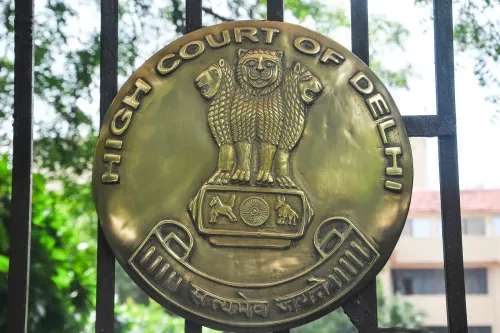
The Delhi High Court on 1 July ordered removal of five prima facie defamatory online posts targeting BJP Rajya Sabha MP Raghav Chadha .
Justice Subramonium Prasad declined a blanket takedown and refused to uphold Chadha's claim of personality and publicity rights violation.
Chadha's lawyers alleged a coordinated, allegedly paid campaign run through Influencer Marketing Agencies to damage his reputation.
The petition flagged AI-generated, deepfake, and morphed content portraying Chadha negatively after his switch from AAP to BJP .
The court noted the distinction between criticism of a political decision and defamation was 'quite thin.'
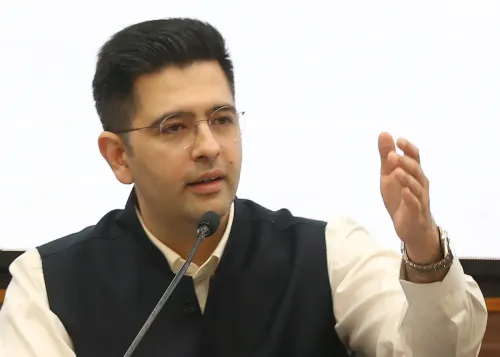
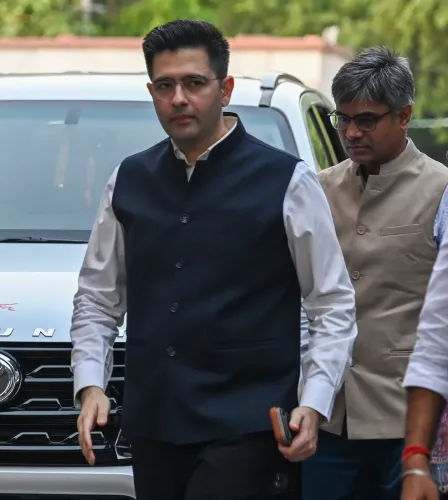
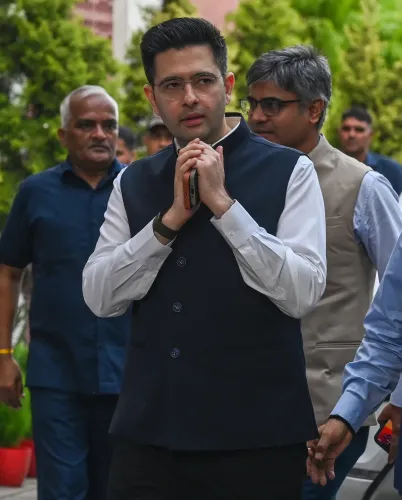
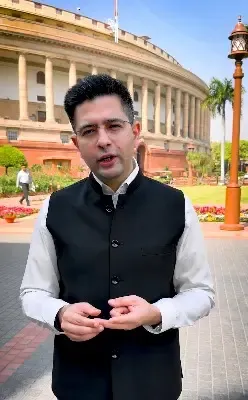
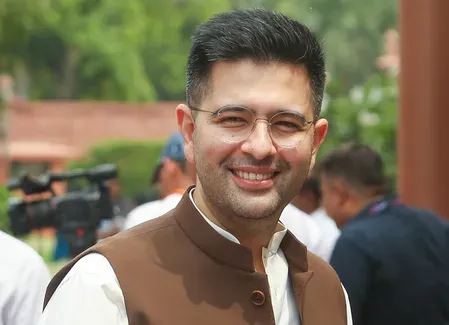
The Delhi High Court on Wednesday, 1 July directed the removal of five prima facie defamatory online posts targeting Bharatiya Janata Party (BJP) Rajya Sabha MP Raghav Chadha, in a ruling his legal team described as a significant check against coordinated, allegedly paid social media campaigns designed to damage public reputations.
What the Court Ordered
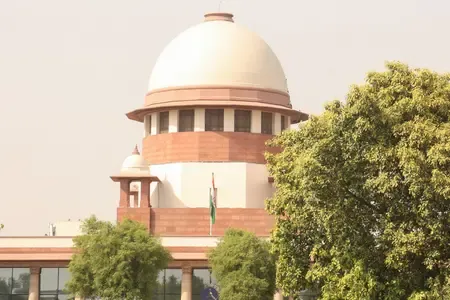
A single-judge Bench of Justice Subramonium Prasad ordered the takedown of the five posts after finding them prima facie defamatory. The court, however, declined to grant any blanket interim direction for the removal of all content flagged by Chadha, and also refused to extend wider protection of his personality and publicity rights.
'There is no personality right involved. However, I have ordered a takedown of only five documents. Rest is not defamatory prima facie,' Justice Prasad observed during the proceedings.
What Chadha's Lawyers Said
Advocates Satatya Anand and Nikhil Aradhe, who appeared on Chadha's behalf, welcomed the ruling in a post-hearing statement. 'The order passed today by the Hon'ble Single Judge of the Delhi High Court is a welcome step as it directed takedown of defamatory content against Mr Chadha, thereby protecting individuals from organised defamatory content on social media,' they said.
The lawyers further argued that the ruling 'reinforces the fact that freedom of speech cannot be used to run paid orchestrated campaigns of defamation and character assassination.'
Coordinated Campaign Alleged Before Court
According to Chadha's counsel, evidence placed before the court indicated that a coordinated and allegedly paid social media campaign was being run through multiple professional Influencer Marketing Agencies to damage the MP's public image. The statement said defamatory posts were 'disseminated across numerous social media handles within minutes, reflecting a concerted and organised effort to amplify false narratives and cause irreparable reputational harm.'
Chadha's legal team described the order as 'an important step towards ensuring quick action against organised online defamation and protecting the dignity of public discourse.'
Background: What Chadha Had Sought
Chadha had approached the Delhi High Court seeking protection of his personality and publicity rights against the alleged unauthorised use and misuse of his name, image, likeness, and identity across online and digital platforms. His petition specifically flagged AI-generated, deepfake, and morphed content portraying him as having 'sold himself for money' following his switch from the Aam Aadmi Party (AAP) to the BJP.
The court, however, observed that the content flagged by Chadha appeared prima facie to be criticism of a political decision rather than a violation of personality rights, while noting that the line between criticism and defamation was 'quite thin.' The case highlights a growing legal frontier around the misuse of digital identity and coordinated influence operations targeting public figures in India.
Point of View
Blanket relief denied — reflects a judiciary still calibrating where political criticism ends and actionable defamation begins. The more consequential element is what was placed on record: an alleged agency-driven influence operation, disseminating coordinated content within minutes across multiple handles. If substantiated, this is not a defamation case in the conventional sense — it is evidence of an industrialised reputational attack. Indian courts have yet to develop a clear doctrinal framework for such campaigns, and this case may force that reckoning. The refusal to recognise personality rights here also signals that public figures switching political parties will face an uphill battle using that doctrine as a shield against criticism.
NationPress
30 Sept 2026
Frequently Asked Questions
What did the Delhi High Court order in the Raghav Chadha defamation case?
The Delhi High Court on 1 July directed the removal of five prima facie defamatory online posts against BJP Rajya Sabha MP Raghav Chadha. The court declined to grant a blanket takedown of all flagged content or broader personality rights protection.
Why did Raghav Chadha approach the Delhi High Court?
Chadha petitioned the court seeking protection of his personality and publicity rights against alleged misuse of his name, image, and identity online, including AI-generated, deepfake, and morphed content. The content reportedly portrayed him negatively in connection with his switch from AAP to BJP.
What is the coordinated campaign alleged by Chadha's lawyers?
His legal team alleged that multiple professional Influencer Marketing Agencies were engaged to run a paid social media campaign against Chadha, with defamatory posts being disseminated across numerous handles within minutes in a coordinated effort to damage his reputation.
Did the court uphold Raghav Chadha's personality rights claim?
No. Justice Subramonium Prasad held that the dispute did not prima facie involve a violation of personality rights, observing that the content appeared to be criticism of a political decision. The court noted the line between criticism and defamation was 'quite thin.'
What is the broader significance of this ruling?
The ruling is seen as an early judicial check on organised online defamation campaigns in India. Chadha's lawyers called it an important step towards ensuring quick action against coordinated digital attacks on public figures, though the limited scope of relief granted underscores the legal complexity involved.