Delhi Police bust illegal call centre in Pitampura, 11 held for ₹100 crore US fraud
Synopsis
Eleven people, including two women, were nabbed from a rented building in Pitampura after Delhi Police's IFSO unit uncovered a sophisticated US-targeting tech-support fraud worth ₹100 crore. The syndicate used malware pop-ups, fake FBI letters, remote-access software, and Bitcoin to fleece American victims — and communicated entirely under western aliases.
Key Takeaways
Delhi Police IFSO busted an illegal international call centre in Pitampura on 21 September 2026 .
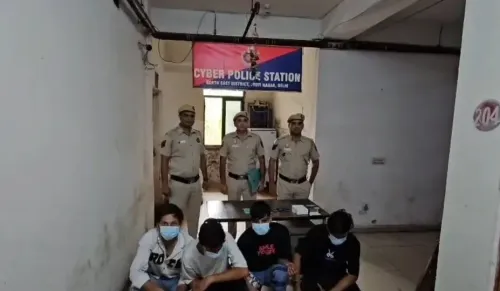
11 persons — including two women — were arrested or apprehended; the syndicate allegedly defrauded US victims of approximately ₹100 crore .
Police seized ₹41 lakh in cash, 29 laptops , 25 mobile phones , eight routers , and a car.
The scam used malware pop-ups, UltraViewer remote access, Google Voice , gift cards ( iTunes, Sephora, Target ), and Bitcoin transfers.
The syndicate deployed forged communications purportedly from the FBI and US federal agencies to intimidate victims.
Case registered as FIR No.
224/2026 on 22 September under BNS and IT Act; investigation is ongoing.
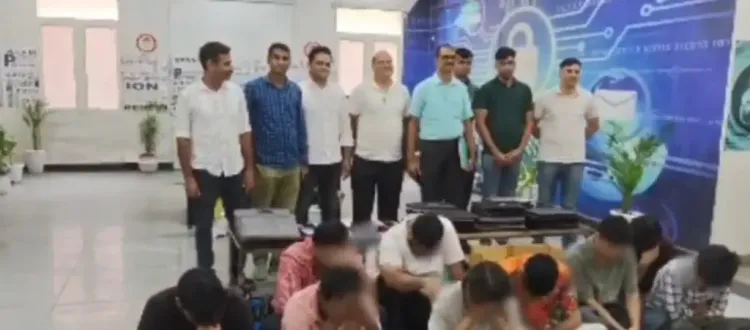
The Delhi Police's Intelligence Fusion & Strategic Operations (IFSO) unit on 21 September 2026 raided an illegal international call centre operating out of rented premises in Pitampura, New Delhi, arresting or apprehending 11 individuals — including two women — for allegedly defrauding victims in the United States of approximately ₹100 crore through an elaborate tech-support scam. The bust is among the largest cybercrime seizures recorded in the capital this year.
How the Raid Unfolded
Acting on intelligence developed by IFSO teams, a raiding party led by Inspector Data Ram, under the supervision of ACP Prem Chandra Khanduri and the overall guidance of DCP (IFSO) Gaurav Tyagi, descended on House No. 249, Shivaji Market, Pitampura Village on 21 September 2026. Officers found 11 persons actively operating a high-tech call centre across the third and fourth floors of the rented building. A formal case — FIR No. 224/2026 — was registered on 22 September at the Special Cell police station under Sections 318(4), 319(2), 61(2) and 3(5) of the Bharatiya Nyaya Sanhita (BNS), as well as Sections 66C and 66D of the Information Technology Act.
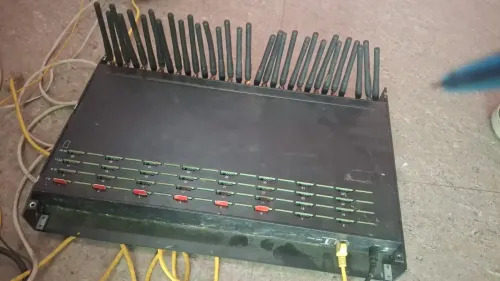
Police seized ₹41 lakh in cash, 29 laptops, 25 mobile phones, eight routers, and a car from the premises.
The Fraud Mechanism
According to investigators, the syndicate executed a multi-stage tech-support scam targeting US residents. A back-end team would remotely install malware on victims' computers, triggering pop-up alerts directing them to call a toll-free helpline. Calls were then routed to the Pitampura centre via Micro-SIP, a soft-phone application, where trained agents followed scripted dialogues, falsely claiming the victims' systems had been compromised.
Victims were next persuaded to install UltraViewer, granting operators remote access to their machines. A second layer of deception followed, with a person posing as a bank official — using US-based numbers generated through Google Voice — warning that the victims' bank accounts were also at risk. The fraudsters operated under anglicised aliases such as Williams, Rayan, Sofi, Genny, and Alex.
Gift Cards, Bitcoin and Forged FBI Letters
Victims were induced to purchase gift cards — including iTunes, Sephora, Target, and Google Pay cards — as a purported remedy for the alleged technical or banking breach. In select cases, victims were also persuaded to transfer cryptocurrency, including Bitcoin. Gift-card details were reportedly shared via WhatsApp groups with senior syndicate members for redemption or encashment.
Notably, the syndicate allegedly circulated forged communications purportedly issued by the FBI and other US federal agencies to intimidate victims and lend the scam a veneer of official legitimacy — a tactic increasingly common in transnational cyber-fraud operations targeting English-speaking markets.
The Accused
The 11 individuals arrested or apprehended have been identified as: Kawal Preet Singh alias Sunny Singh, 43, of Shiv Nagar, Janakpuri; Prashant Nanda, 29, of Hari Nagar Ashram; Akshat Singh alias Shivam, 25, of Kanpur, Uttar Pradesh; Chitra Narah, 27, of Pitampura Village; Rohan Jairath, 31, of Arya Samaj Road, Uttam Nagar; Gaurav Saklani, 24, of Canal Road, Dehradun; Sachin Ghildiyal alias Sachin Sharma, 26, of Pradhan Enclave, Burari; Irshad Rahman, 22, of Goal Para, Assam; Navneet alias Naveen, 28, of Pitampura Village, Shivaji Market; Nigthoujam, 25, of Assam; and Phebo Wangshu, 27, of Arunachal Pradesh. The geographic spread of the accused — spanning Delhi, Uttarakhand, Uttar Pradesh, Assam, and Arunachal Pradesh — points to a recruitment network that drew from multiple states.
What Comes Next
Further investigation is underway, with police expected to trace the financial trail of the gift-card redemptions and the cryptocurrency transfers. Authorities are also likely to probe whether the syndicate had handlers operating outside India. This case forms part of a broader IFSO crackdown on Delhi-based cybercrime networks with overseas victims — a pattern that has accelerated sharply since 2024.
Point of View
Yet the operational template is disturbingly familiar: rented premises, soft-phone routing, remote-access tools, and gift-card encashment are a playbook that Indian enforcement agencies have dismantled dozens of times since 2020 without meaningfully slowing the sector. The cross-state recruitment of operators from Assam and Arunachal Pradesh alongside Delhi-based ringleaders suggests a maturing supply chain for cyber-fraud labour. The real accountability question is whether the gift-card redemption chain and cryptocurrency wallets can be traced to handlers beyond the 11 arrested — or whether, as in many past busts, the foot soldiers take the fall while the architects remain at large.
NationPress
24 Sept 2026
Frequently Asked Questions
What was the illegal call centre in Pitampura doing?
The call centre was running a tech-support scam that targeted victims in the United States. Operators used malware-triggered pop-ups to lure victims into calling a toll-free number, then convinced them their computers and bank accounts had been compromised and induced them to pay through gift cards or cryptocurrency.
How much did the syndicate allegedly defraud victims of?
According to police, the syndicate defrauded US victims of approximately ₹100 crore. Investigators seized ₹41 lakh in cash along with 29 laptops, 25 mobile phones, eight routers, and a car during the raid.
Who carried out the raid and under what charges?
The raid was conducted by Delhi Police's IFSO unit on 21 September 2026, led by Inspector Data Ram under ACP Prem Chandra Khanduri and DCP Gaurav Tyagi. An FIR (No. 224/2026) was registered on 22 September under Sections 318(4), 319(2), 61(2) and 3(5) of the Bharatiya Nyaya Sanhita and Sections 66C and 66D of the Information Technology Act.
How did the fraudsters receive the money from victims?
Victims were persuaded to purchase gift cards — including iTunes, Sephora, Target, and Google Pay cards — and share the card details via WhatsApp. In some cases, victims were also directed to transfer cryptocurrency, including Bitcoin, purportedly to fix alleged technical or banking issues.
Who are the 11 people arrested in the Delhi call centre bust?
The accused are Kawal Preet Singh alias Sunny Singh (43), Prashant Nanda (29), Akshat Singh alias Shivam (25), Chitra Narah (27), Rohan Jairath (31), Gaurav Saklani (24), Sachin Ghildiyal alias Sachin Sharma (26), Irshad Rahman (22), Navneet alias Naveen (28), Nigthoujam (25), and Phebo Wangshu (27). They hail from Delhi, Uttar Pradesh, Uttarakhand, Assam, and Arunachal Pradesh.