Delhi L-G T.S. Sandhu pushes for higher conviction rates, directs prosecution overhaul
Synopsis
Delhi L-G T.S. Sandhu has put the Directorate of Prosecution on notice — demanding an overhaul of case tracking, strict enforcement of BNSS timelines, and personal accountability for acquittals. The directive targets a systemic gap: low conviction rates and mounting case pendency that have long undermined justice delivery in the National Capital.
Key Takeaways
Sandhu chaired a review of the Directorate of Prosecution on 19 October 2026 , flagging low conviction rates and rising case pendency.
He directed stronger pre-trial scrutiny of charge-sheets , fewer adjournments, and timely production of witnesses.
Sandhu called for operationalising 'Trial in Absentia' wherever legally applicable and enforcing BNSS timelines strictly.
Investigating Officers are to be held accountable for investigation quality and evidence collection standards.
Officials were asked to analyse acquittals , identify lapses, and fix accountability at every prosecution stage.
Daily coordination among prosecutors, Delhi Police , and the FSL was identified as a priority reform area.
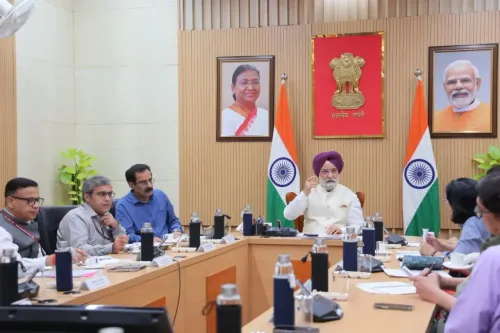
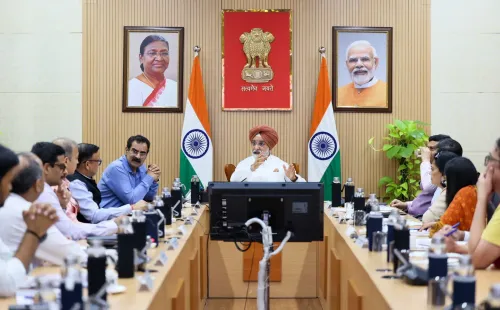
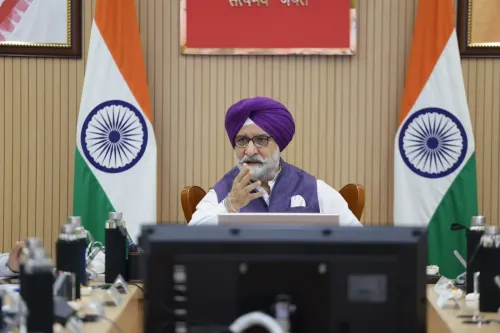
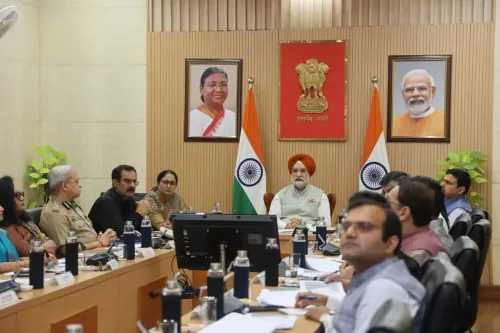
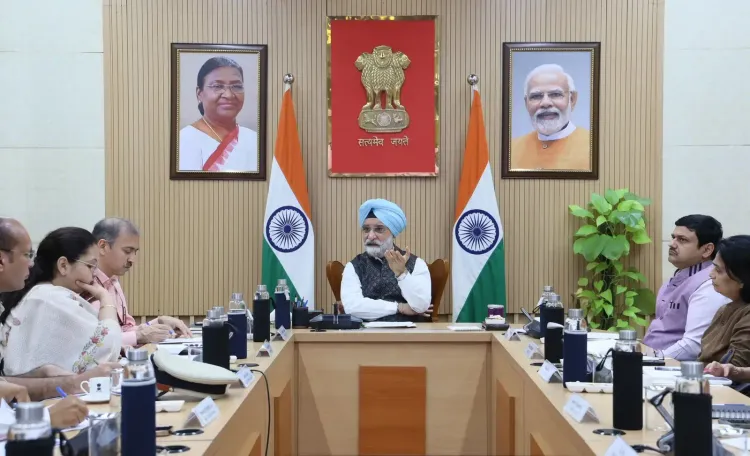
Delhi Lieutenant Governor T.S. Sandhu on Monday, 19 October 2026, directed officials of the Directorate of Prosecution to urgently address low conviction rates, rising case pendency, and avoidable court delays in the National Capital. Chairing a review meeting, Sandhu underscored that 'justice delayed cannot become justice denied' and called for immediate, outcome-oriented reforms across the prosecution machinery.
Key Concerns Raised
Sandhu expressed serious concern over the Directorate of Prosecution's current performance, pointing to mounting case pendency and persistent delays in the disposal of court matters across Delhi's trial courts. He stressed the need for stronger pre-trial scrutiny of charge-sheets, a sharp reduction in adjournments, and the timely production of witnesses — three areas he described as recurring pain points undermining conviction outcomes.
Accountability and Systemic Reforms Directed
The Lieutenant Governor directed a comprehensive overhaul of case tracking systems, streamlined file allocation, and the identification of specific bottlenecks causing trial delays. He specifically called for fixing accountability in cases where accused persons are acquitted, asking officials to analyse acquittals, trace lapses, and ensure that those responsible at every stage are held answerable.
Sandhu also pressed for the enforcement of timelines under the BNSS (Bharatiya Nagarik Suraksha Sanhita) and recommended operationalising 'Trial in Absentia' wherever legally applicable. Investigating Officers, he said, must be held directly accountable for investigation quality and the integrity of evidence collection.
What the L-G Said on X
Sandhu shared his directions on social media platform X, writing, 'Justice delayed cannot become justice denied. Every avoidable delay and lapse must be addressed. Directed all concerned agencies to act with urgency, coordination and accountability to strengthen prosecution and ensure more effective delivery of justice.' In a separate post, he added, 'Reviewed the functioning of the Directorate of Prosecution, GNCTD, today. Expressed concern over low conviction rates, mounting case pendency and delays in disposal.'
Inter-Agency Coordination in Focus
A key directive from the Lieutenant Governor centred on improving daily coordination among prosecutors, the Delhi Police, and the Forensic Science Laboratory (FSL). Sandhu called for effective briefings between Investigating Officers and prosecutors to ensure that cases are trial-ready and that evidence gaps do not surface at the courtroom stage — a chronic weakness that critics argue has historically hobbled prosecution success in Delhi.
What Happens Next
Officials have been asked to act with urgency and accountability on all directives issued at the meeting. The Lieutenant Governor's intervention signals heightened scrutiny of the Directorate of Prosecution's performance metrics going forward, with systemic reforms expected to be implemented in the near term.
Point of View
Witness management, and FSL capacity that no single directive can fix overnight. The emphasis on 'Trial in Absentia' and BNSS timelines is significant, as it signals a push to use newer legal instruments that courts have been slow to operationalise. Accountability for acquittals is the boldest ask — it threatens a culture of diffuse responsibility that has shielded lapses for years. Whether the Directorate has the bandwidth and political backing to enforce that accountability will determine if this meeting amounts to more than a stern memo.
NationPress
19 Oct 2026
Frequently Asked Questions
What did Delhi L-G T.S. Sandhu direct at the prosecution review meeting?
Delhi L-G T.S. Sandhu directed the Directorate of Prosecution to urgently address low conviction rates, cut adjournments, strengthen pre-trial scrutiny of charge-sheets, and enforce BNSS timelines. He also called for accountability in cases where accused persons are acquitted.
What is the current concern about Delhi's conviction rates?
The Lieutenant Governor expressed concern that the Directorate of Prosecution is recording low conviction rates alongside mounting case pendency and delays in court disposal. He described these as avoidable lapses that prevent effective justice delivery in the National Capital.
What is 'Trial in Absentia' and why did Sandhu recommend it?
'Trial in Absentia' allows courts to conduct proceedings even when an accused is absent, wherever legally permitted under applicable law. Sandhu recommended operationalising this provision to prevent accused persons from stalling trials through deliberate non-appearance, a tactic that contributes to case delays.
How does the BNSS relate to Sandhu's directions?
The Bharatiya Nagarik Suraksha Sanhita (BNSS) sets specific procedural timelines for criminal trials. Sandhu directed officials to ensure these timelines are strictly enforced, with the goal of reducing the backlog of pending cases and speeding up disposals in Delhi's courts.
What role does inter-agency coordination play in improving conviction rates?
Sandhu identified poor coordination among prosecutors, Delhi Police, and the Forensic Science Laboratory (FSL) as a key factor behind prosecution failures. He directed daily coordination and effective Investigating Officer briefings to ensure cases are trial-ready and evidence gaps are closed before they reach court.