Gurdwara demolished in Pakistan: Delhi BJP, Sirsa demand restoration
Synopsis
A 125-year-old Sikh gurdwara in Farooqabad, Pakistan has been demolished — and India’s political establishment is responding with rare bipartisan anger. Delhi BJP and Minister Sirsa are demanding international pressure on Islamabad, invoking UNESCO heritage norms, while also turning the spotlight on AAP’s conspicuous silence over the destruction.
Key Takeaways
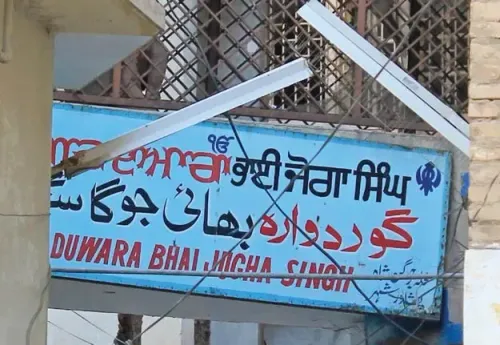
The 125-year-old Shri Guru Singh Sabha Gurdwara in Farooqabad, Pakistan was demolished, triggering widespread condemnation in India.
Delhi Environment Minister Manjinder Singh Sirsa called it ‘a grave sin’ and urged the world to press Pakistan for the gurdwara’s restoration.
Delhi BJP president Harsh Malhotra questioned the silence of AAP ’s Arvind Kejriwal and Punjab CM Bhagwant Mann over the demolition.
BJP legislator Sardar Arvinder Singh Lovely said the demolition violates UNESCO norms protecting religious sites over 100 years old .
The Indian government under PM Narendra Modi reportedly conveyed a strong message to Pakistan and called for the gurdwara’s reconstruction.
Leaders described the incident as part of a recurring pattern of attacks on minority religious sites in Pakistan.
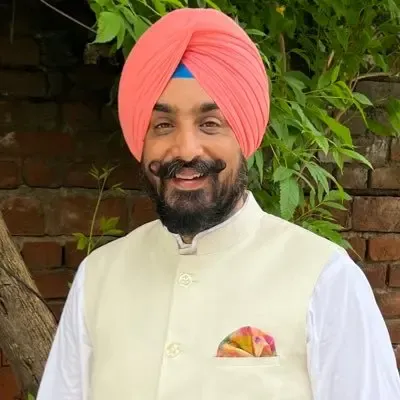
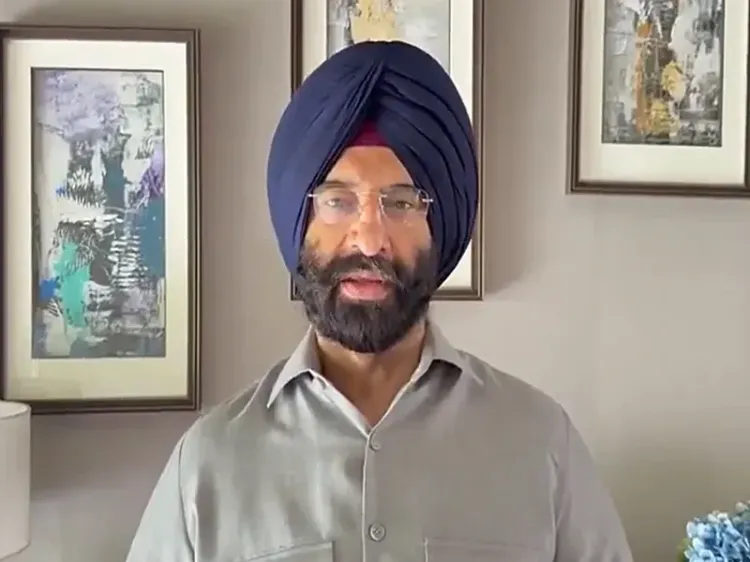
Delhi Environment Minister Manjinder Singh Sirsa on Thursday, 2 July strongly condemned the demolition of the 125-year-old Gurdwara Sahib in Farooqabad, Pakistan, calling it an erasure of shared human heritage and urging the international community to press Islamabad for its restoration.
Sirsa's Condemnation
“I strongly condemn this act. Gurdwara Sahib is not just a shared heritage of Sikhs but of all humanity. Encroaching on gurdwaras in Pakistan, trespassing on their properties, and damaging such heritage in this manner is a grave sin. The world must take notice of this and urge the Government of Pakistan to restore Gurdwara Sahib,” Sirsa said in a message posted on social media.
The demolished structure, known as Shri Guru Singh Sabha Gurdwara, had stood for over a century in Farooqabad and is considered a site of deep religious and historical significance for the Sikh community.
Delhi BJP Joins the Chorus
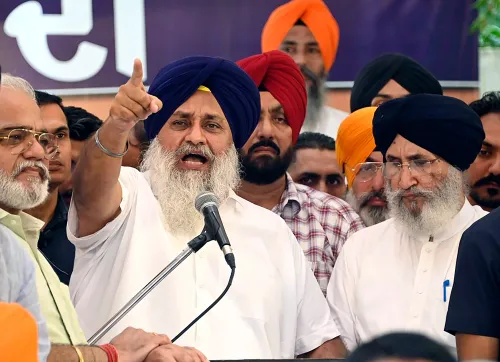
Delhi Bharatiya Janata Party (BJP) president Harsh Malhotra also condemned the demolition, and pointedly questioned the silence of Aam Aadmi Party (AAP) leaders, including former Delhi Chief Minister Arvind Kejriwal and Punjab Chief Minister Sardar Bhagwant Mann, more than a week after the incident.
Malhotra described the demolition as part of a broader, recurring pattern. “Attacks on Sikhs, Hindus, Christians, and their places of worship have unfortunately become a recurring occurrence in Pakistan,” he said, adding that Pakistan “continues to remain a haven for terrorism.”
He also alleged that Punjab CM Bhagwant Mann has himself been accused of violating Sikh religious traditions and that the Sri Akal Takht Sahib has declared him ‘anti-Panthic’ — making the AAP’s silence on the Farooqabad demolition, he argued, all the more telling.
UNESCO Norms and India's Response
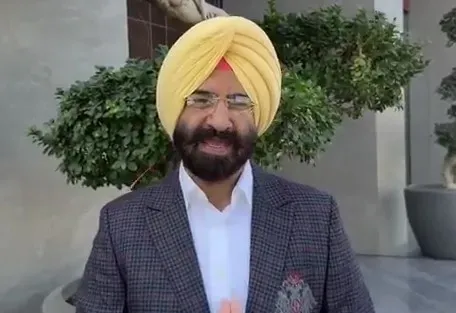
Delhi BJP legislator and chairman of the Trans-Yamuna Area Development Board, Sardar Arvinder Singh Lovely, joined the condemnation and raised the dimension of international heritage law. He noted that under UNESCO guidelines, every country bears primary responsibility for protecting religious sites over 100 years old, and that any alteration to the original structure of such sites constitutes a violation of those norms.
Lovely also appreciated the Indian government under Prime Minister Narendra Modi for acting swiftly, saying it “immediately conveyed a strong message to the Pakistani government and called for the reconstruction of the demolished Gurdwara.”
A Recurring Pattern, Critics Say
Both Malhotra and Lovely underscored that this is not an isolated event. Minority religious sites — belonging to Sikhs, Hindus, and Christians — have reportedly faced encroachment, damage, and demolition in Pakistan on multiple previous occasions. Critics argue that the Pakistani state has consistently failed to protect its minority communities from extremist elements, even as it projects itself internationally as a guardian of minority rights.
This comes amid broader diplomatic tensions between India and Pakistan, with the Farooqabad demolition adding fresh pressure on Islamabad to demonstrate accountability for the protection of minority heritage. The incident is expected to draw further attention in Indian parliamentary and diplomatic circles in the days ahead.
Point of View
Which shifts the frame from religious grievance to legal obligation. The domestic political dimension — BJP using the episode to corner AAP over its silence — is real, but it should not obscure the substantive issue: Pakistan’s repeated failure to protect minority shrines that predate Partition. India’s diplomatic response, if it amounts to more than a demarche, will be the real measure of how seriously New Delhi treats Sikh heritage across the border.
NationPress
2 Jul 2026
Frequently Asked Questions
Which gurdwara was demolished in Pakistan?
The demolished structure is the Shri Guru Singh Sabha Gurdwara in Farooqabad, Pakistan , a site that was approximately 125 years old . It is considered a significant religious and historical landmark for the Sikh community.
Why did Delhi Minister Sirsa condemn the demolition?
Delhi Environment Minister Manjinder Singh Sirsa condemned the demolition as an erasure of shared human heritage, calling it ‘a grave sin.’ He urged the international community to pressure the Pakistani government to restore the gurdwara.
How has the Indian government responded to the Farooqabad gurdwara demolition?
According to BJP legislator Sardar Arvinder Singh Lovely , the Indian government under Prime Minister Narendra Modi promptly conveyed a strong message to Pakistan and called for the reconstruction of the demolished gurdwara.
Does the demolition violate UNESCO norms?
BJP legislator Sardar Arvinder Singh Lovely argued that it does. Under UNESCO guidelines, countries are required to protect religious sites over 100 years old , and any tampering with the original structure of such heritage sites is considered a violation of those norms.
Why is AAP being criticised over the gurdwara demolition in Pakistan?
Delhi BJP president Harsh Malhotra criticised Aam Aadmi Party (AAP) leaders, including Arvind Kejriwal and Punjab CM Bhagwant Mann , for remaining silent more than a week after the demolition. Malhotra argued that the silence reflects a disregard for Sikh values, especially given that the AAP governs Punjab, which has a large Sikh population.