Delhi Assembly Monsoon Session set for Aug 7-11; Lakshmi Yojana approved
Synopsis
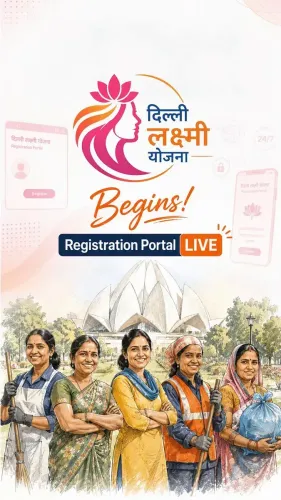
The Delhi Cabinet has approved both a five-day Monsoon Assembly Session starting 7 August and the Delhi Lakshmi Yojana on the same day — a ₹5,110 crore scheme set to deliver ₹2,500 monthly to over 17 lakh women, with registration opening on 1 August. The back-to-back decisions signal a deliberate legislative-and-welfare sequencing by the Rekha Gupta government.
Key Takeaways
Delhi Cabinet under Chief Minister Rekha Gupta called the Monsoon Session of the Assembly for 7 to 11 August .
The Delhi Lakshmi Yojana (DLY) was approved on 28 July 2025 , with a budgetary allocation of ₹5,110 crore for 2026-27 .
Over 17 lakh women aged 21-60 with annual family income up to ₹2.50 lakh will receive ₹2,500 per month .
Beneficiaries can choose between a split payout ( ₹1,500 RD/FD + ₹1,000 CBDC wallet ) or the full ₹2,500 in RD/FD .
Beneficiary registration is proposed to begin from 1 August ; the scheme runs initially for three years .
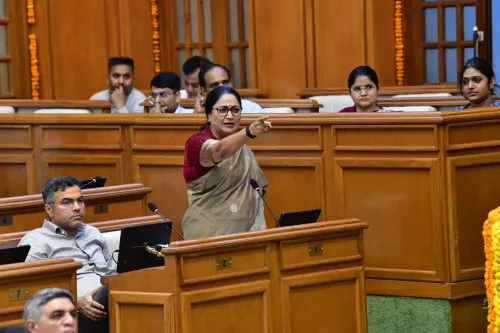
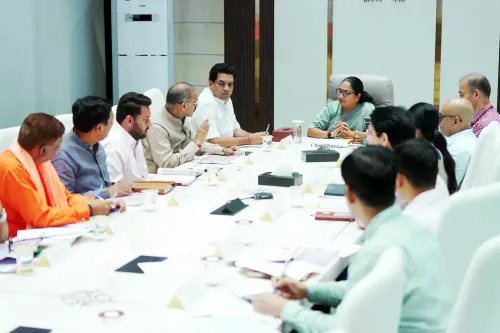
The Delhi Cabinet, chaired by Chief Minister Rekha Gupta, on Tuesday, 28 July 2025, resolved to convene the Monsoon Session of the Delhi Legislative Assembly from 7 August to 11 August. The five-day session is expected to take up key issues concerning Delhi's development and public welfare, according to an official statement.
What the Session Will Cover
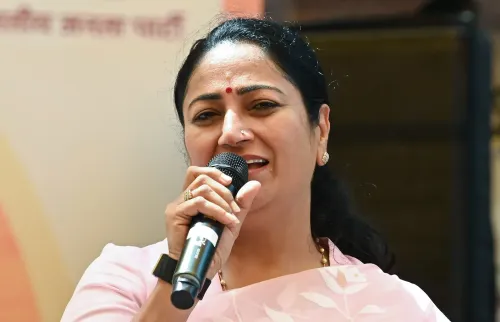
Chief Minister Rekha Gupta said the session would facilitate 'serious and meaningful discussions' on matters of public importance. The government, she added, remains committed to prioritising public interest and implementing decisions effectively. The timing is significant: the session opens just days after the proposed launch of beneficiary registration — slated to begin on 1 August — for the newly approved Delhi Lakshmi Yojana.
Delhi Lakshmi Yojana: Key Details
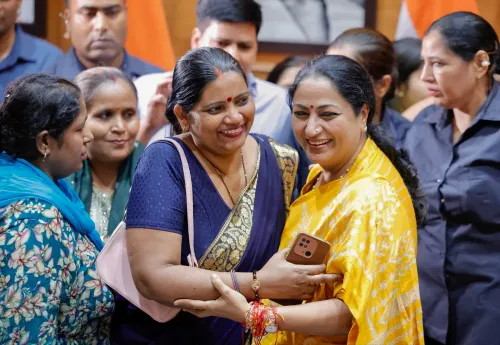
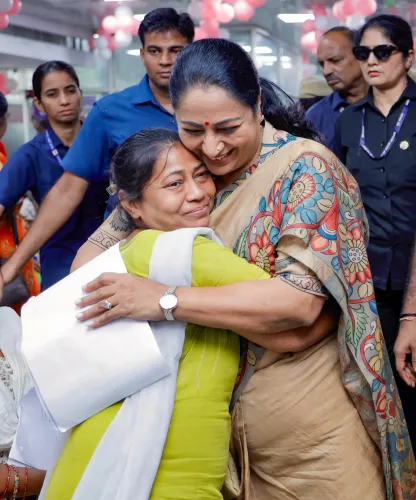
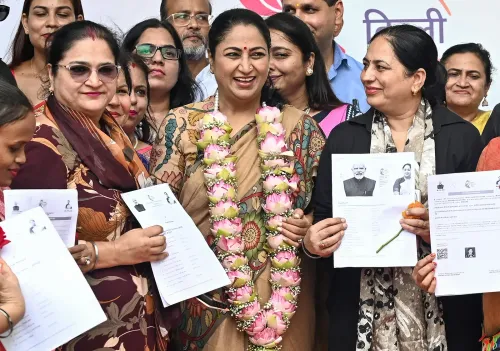
Earlier on the same day, the Cabinet formally approved the Delhi Lakshmi Yojana (DLY), a scheme designed to advance the economic empowerment and social security of women in the capital. Guidelines for the scheme were cleared at the Cabinet meeting, and a budgetary provision of ₹5,110 crore has been earmarked under the 2026-27 Budget.
The scheme will cover eligible women aged between 21 and 60 years whose annual family income does not exceed ₹2.50 lakh. More than 17 lakh women are expected to benefit, each receiving ₹2,500 per month. The scheme will initially run for three years from the date of implementation and may be extended with modifications thereafter.
Two Payout Options for Beneficiaries
Beneficiaries will have a choice of two disbursement modes. Under the first option, ₹1,500 will be deposited into a Recurring Deposit (RD) or Fixed Deposit (FD), while the remaining ₹1,000 will be credited to a CBDC Digital Rupee Wallet. Funds in the Digital Wallet may only be spent on goods and services permitted under the government's prescribed Negative List.
Under the second option, beneficiaries can elect to receive the full ₹2,500 directly into an RD or FD, intended to help women accumulate long-term savings and capital. This dual-track structure reflects an attempt to balance immediate consumption support with longer-term financial inclusion.
Context and Significance
The approval of the Delhi Lakshmi Yojana comes amid a broader national trend of state governments rolling out direct-benefit transfer schemes targeting women voters, a pattern visible across Madhya Pradesh, Telangana, and Maharashtra in recent electoral cycles. Notably, the scheme's rollout timeline — with registration beginning on 1 August and the Assembly session opening on 7 August — suggests the government intends to use the legislative forum to formalise or discuss the scheme's framework publicly. How the opposition responds in the session will be closely watched.
Point of View
500-per-month women's scheme is not coincidental — it is sequencing. By opening beneficiary registration on 1 August and convening the Assembly on 7 August, the Rekha Gupta government ensures the Lakshmi Yojana dominates the political conversation heading into the session. The CBDC Digital Rupee Wallet component is an unusual design choice that restricts spending to a government-approved list — a nudge mechanism that raises questions about beneficiary autonomy that the opposition is likely to press. Whether the ₹5,110 crore allocation is adequate for 17 lakh beneficiaries over a full year — which would require roughly ₹5,100 crore annually — also deserves scrutiny that the session may or may not provide.
NationPress
27 Oct 2026
Frequently Asked Questions
When is the Delhi Assembly Monsoon Session 2025?
The Delhi Assembly Monsoon Session is scheduled from 7 August to 11 August 2025, as decided by the Delhi Cabinet on 28 July. The session will focus on Delhi's development and public welfare issues.
What is the Delhi Lakshmi Yojana?
The Delhi Lakshmi Yojana (DLY) is a welfare scheme approved by the Delhi Cabinet on 28 July 2025, under which eligible women receive ₹2,500 per month. It targets women aged 21-60 years with an annual family income of up to ₹2.50 lakh, with a budget of ₹5,110 crore for 2026-27.
Who is eligible for the Delhi Lakshmi Yojana?
Women between 21 and 60 years of age whose family's annual income does not exceed ₹2.50 lakh are eligible. More than 17 lakh women in Delhi are expected to qualify under these criteria.
How will the ₹2,500 monthly payment be disbursed?
Beneficiaries have two options: a split payout of ₹1,500 into an RD/FD and ₹1,000 into a CBDC Digital Rupee Wallet (restricted to approved goods and services), or the full ₹2,500 deposited into an RD/FD for long-term savings.
When does registration for the Delhi Lakshmi Yojana begin?
Registration for beneficiaries is proposed to begin from 1 August 2025. The scheme will initially run for three years from the date it comes into effect and may be extended with modifications thereafter.