Delhi govt notifies ₹5–7.5 lakh custody death compensation for jail inmates
Synopsis
Delhi has put a price on custodial accountability — ₹7.5 lakh for deaths from inmate clashes or alleged torture by prison staff, ₹5 lakh for negligence or suicide. The NHRC-aligned scheme is the first codified compensation framework for Delhi's prisons, and its real test will be in how fast — and how fairly — families actually receive the money.
Key Takeaways
The Delhi government has notified the Scheme for Payment of Compensation on Account of Death of Prisoners in Delhi Prison, 2025 .
Compensation of ₹7.5 lakh applies to deaths from inmate clashes or alleged torture or assault by prison personnel.
Compensation of ₹5 lakh applies to deaths from negligence by prison or medical staff, or prisoner suicide.
Natural deaths, illness-related deaths, escape-attempt deaths, and disaster-related fatalities are excluded from coverage.
The scheme was notified in line with NHRC guidelines and announced by Chief Minister Rekha Gupta on 2 August .
The Jail Superintendent must submit inquiry, post-mortem, and medical records to the Director General (Prisons), Delhi in every eligible case.
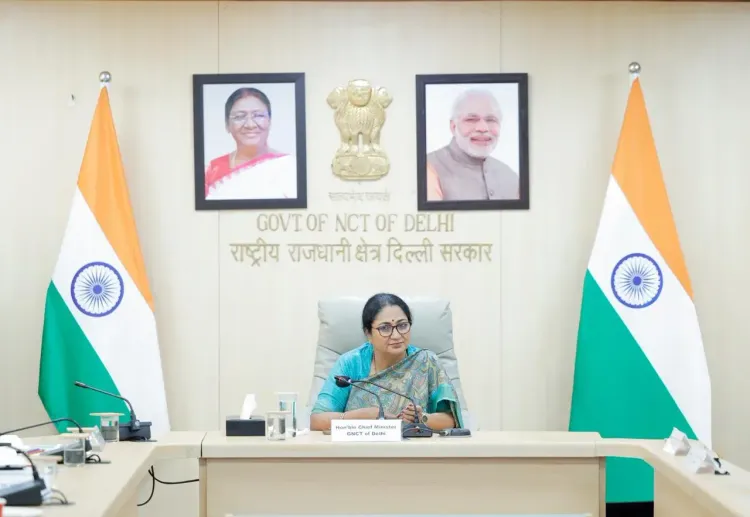
The Delhi government has formally notified a compensation scheme providing relief of ₹5 lakh to ₹7.5 lakh to the next of kin or legal heirs of prisoners who die an unnatural death while in custody in city jails. Chief Minister Rekha Gupta announced the scheme on 2 August, describing it as a step toward strengthening administrative accountability and ensuring timely relief to affected families.
What the Scheme Covers
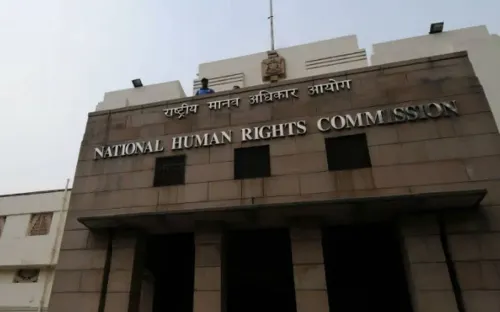
Officially titled the Scheme for Payment of Compensation on Account of Death of Prisoners in Delhi Prison, 2025, it was notified by the Home (General) Department of the Delhi government in accordance with guidelines issued by the National Human Rights Commission (NHRC). The scheme applies to all cases of unnatural prisoner death in any Delhi prison on or after the date of notification.
The highest compensation of ₹7.5 lakh is payable in cases where death results from clashes between inmates, or from alleged torture or assault by prison personnel. A lower amount of ₹5 lakh is prescribed for deaths attributable to negligence by prison authorities or staff, negligence by medical or paramedical personnel, or suicide by a prisoner.
What Is Not Covered
The notification explicitly excludes certain categories from compensation. Deaths due to natural causes or illness are not covered. Similarly, deaths occurring during an escape attempt or while in lawful custody outside prison, as well as fatalities caused by disasters or calamities, fall outside the scheme's ambit.
Accountability Mechanism
To ensure due process, the scheme mandates that the Jail Superintendent concerned must submit a comprehensive dossier to the Director General (Prisons), Delhi in every eligible case. This includes the magisterial inquiry report, post-mortem report, final cause of death, the deceased prisoner's medical history, and details of treatment administered prior to death.
Significance and Context
The notification aligns Delhi's prison administration with NHRC directives that have long called for structured compensation mechanisms in cases of custodial deaths. Notably, custodial deaths remain a persistent human rights concern across Indian prisons, and the absence of codified compensation frameworks has historically left families without recourse. This scheme, critics and rights groups may argue, is a step forward — though its implementation and the speed of disbursement will ultimately determine its impact. Chief Minister Gupta framed the move as reinforcing the government's commitment to both prisoner welfare and institutional accountability.
Point of View
And Delhi is among the later adopters. The tiered payout structure is sensible in principle: distinguishing torture-linked deaths from negligence cases reflects different degrees of state culpability. But the real accountability gap lies in implementation. Magisterial inquiry reports in custodial death cases have historically been slow, incomplete, or contested. Without a statutory deadline for disbursement and an independent review mechanism, the scheme risks becoming another well-intentioned notification that families cannot practically access.
NationPress
16 Sept 2026
Frequently Asked Questions
What is the Delhi prisoner compensation scheme 2025?
It is a formal compensation scheme notified by the Delhi government providing ₹5 lakh to ₹7.5 lakh to the next of kin of prisoners who die an unnatural death in Delhi jails. The scheme, titled the Scheme for Payment of Compensation on Account of Death of Prisoners in Delhi Prison, 2025, aligns with NHRC guidelines.
How much compensation is paid in cases of alleged torture or assault by prison staff?
A compensation of ₹7.5 lakh is payable in cases where a prisoner's death results from clashes with other inmates or from alleged torture or assault by prison personnel. This is the highest tier under the scheme.
What deaths are not covered under the Delhi jail compensation scheme?
Natural deaths, deaths caused by illness, deaths during escape attempts or while in lawful custody outside prison, and deaths due to disasters or calamities are all excluded from compensation under the scheme.
Who receives the compensation under this scheme?
The compensation is paid to the next of kin or legal heirs of the deceased prisoner. The Jail Superintendent must submit required documentation — including the magisterial inquiry report and post-mortem report — to the Director General (Prisons), Delhi, before disbursement.
Why has Delhi introduced this scheme now?
The scheme has been notified in accordance with longstanding NHRC guidelines that call for structured compensation mechanisms for custodial deaths. Chief Minister Rekha Gupta described it as a measure to ensure timely relief to affected families and strengthen administrative accountability in Delhi prisons.