Delhi Police bust mule account syndicate, 30 fraud-linked bank accounts traced
Synopsis
Delhi Police's cyber cell cracked open a commission-based mule account operation spanning nearly 30 bank accounts and two states — and the laundering method it uncovered, repaying gold loans with stolen funds to simulate legitimate income, signals a troubling evolution in how cybercrime proceeds are cleaned.
Key Takeaways
Delhi Police Cyber Cell, Central Delhi busted a mule account syndicate on 8 June , tracing nearly 30 fraud-linked bank accounts .
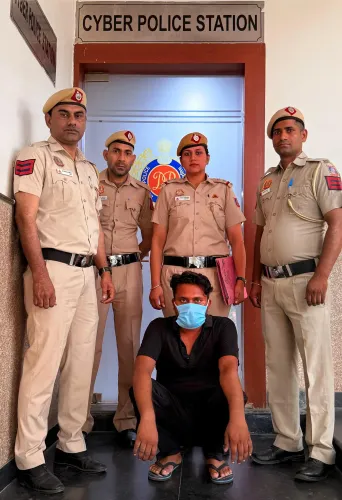
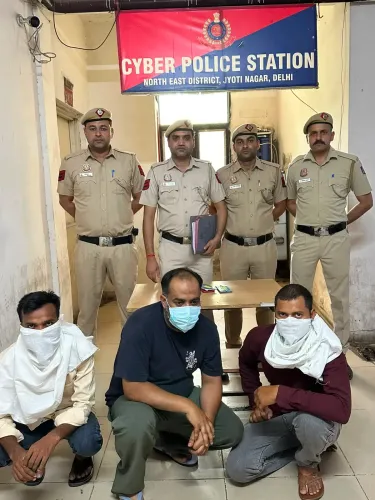
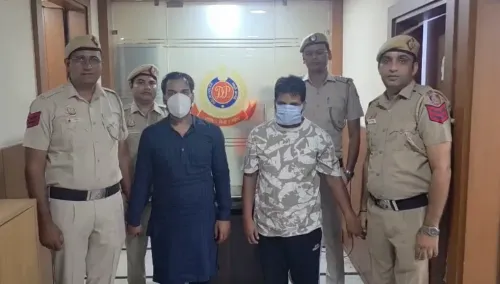
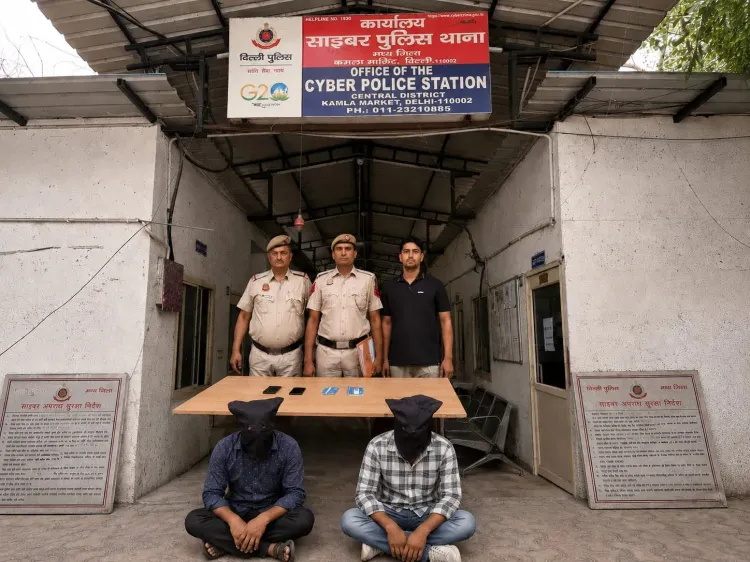
Two accused — Rohit Kumar Bairwa and Lokesh Mahawar , both 21 , residents of Sanganer, Jaipur — have been arrested.
A total of ₹1.91 lakh was fraudulently siphoned from a victim's account in two transactions on 22–23 April .
Bairwa allegedly supplied bank accounts to Mahawar for a 2 per cent commission on fraudulent funds received.
Investigators uncovered a laundering mechanism involving gold loans repaid with stolen funds to disguise their illicit origin.
Two mobile phones have been recovered; further investigation is ongoing to identify additional syndicate members.
The Cyber Cell of Delhi Police, Central Delhi, dismantled a cyber fraud mule account syndicate on Monday, 8 June, uncovering a network of nearly 30 bank accounts allegedly used to channel proceeds of cybercrime. Two operatives — both residents of Sanganer, Jaipur — have been arrested in connection with a case involving the fraudulent transfer of ₹1.91 lakh from a victim's account.
How the Fraud Unfolded
The case came to light on 23 April, when a complainant reported unauthorised withdrawals from his bank account. According to police, on 22 April, the victim's mobile phone suddenly became unresponsive — the screen went black and the device overheated abnormally. When the phone resumed functioning, he discovered that ₹95,000 had been debited without his knowledge or consent.
The following day, a second unauthorised transaction of ₹96,000 was recorded from the same account, bringing the total fraudulently siphoned amount to ₹1.91 lakh. The victim maintained he had neither initiated nor authorised either transaction, and suspected his phone and banking credentials had been compromised. An FIR was subsequently lodged at the Cyber Central Police Station, Central Delhi.
Money Trail and the Arrests
Investigators conducted extensive technical and financial analysis, tracing the stolen funds through multiple beneficiary accounts — including a Yes Bank account in the name of Rohit Kumar Bairwa and a Kotak Mahindra Bank account belonging to another beneficiary. The trail led the team to Jaipur, Rajasthan, where both accused were traced and apprehended.
During interrogation, Rohit Kumar Bairwa, 21, admitted to providing multiple bank accounts to co-accused Lokesh Mahawar in exchange for a commission of 2 per cent on the fraudulent funds received. Acting on this disclosure and corroborating technical evidence, police arrested Lokesh Mahawar, also 21 and a resident of Sanganer, Jaipur.
Scale of the Syndicate
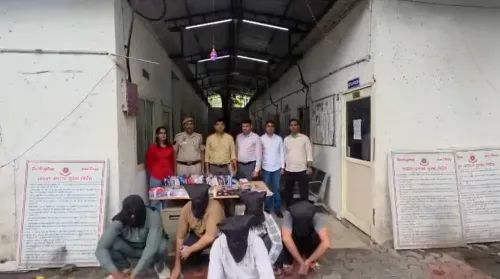
Investigators said Mahawar was actively involved in arranging and supplying mule bank accounts to cyber fraud syndicates, having allegedly facilitated nearly 30 such accounts for routing crime proceeds. He reportedly earned commissions for procuring accounts and operated a wider network for receiving and transferring fraudulent funds.
The accused further disclosed that cybercriminals gained unauthorised access to victims' mobile phones and banking applications before funnelling stolen money into mule accounts arranged by the syndicate. Police have recovered two mobile phones allegedly used in the commission of the offence.
Sophisticated Laundering Mechanism Exposed
The investigation also exposed a layered money-laundering method: loans — including gold loans — were reportedly obtained in the names of account holders and subsequently repaid using fraud proceeds. This technique was allegedly designed to disguise the illicit origin of the funds and project them as legitimate earnings, according to police.
What Happens Next
Both accused have been produced before the concerned court. Further investigation is ongoing to identify additional syndicate members, trace remaining mule account holders, and complete the full financial trail analysis, police said. The case underscores a growing pattern of commission-based mule account networks enabling large-scale cyber financial fraud across state lines.
Point of View
Commission-based supply chains for mule accounts that cross state lines with ease. What makes this case particularly instructive is the gold loan laundering layer: using regulated financial products to legitimise stolen funds is a direct exploit of gaps in KYC enforcement at lenders. Delhi Police's ability to trace the full ₹1.91 lakh trail is commendable, but the real question is whether the 30 account holders further up the chain — many of whom may themselves be victims of coercion or deception — will be pursued as enablers or witnesses. The answer will define how seriously enforcement agencies treat the mule account supply problem rather than just its retail end.
NationPress
26 Sept 2026
Frequently Asked Questions
What is a mule bank account and why is it used in cybercrime?
A mule bank account is a legitimate bank account, often opened in the name of a real person, that is used by fraudsters to receive and move stolen funds, making the money harder to trace. In this case, nearly 30 such accounts were allegedly arranged by the syndicate to route ₹1.91 lakh siphoned from a victim in Delhi.
How did cybercriminals access the victim's phone and bank account?
According to police, cybercriminals gained unauthorised access to the victim's mobile phone and banking applications, after which the device became unresponsive and overheated abnormally on 22 April. The fraudsters then transferred ₹95,000 and ₹96,000 on consecutive days without the victim's knowledge or consent.
Who were arrested and what were their roles?
Rohit Kumar Bairwa, 21, and Lokesh Mahawar, 21, both residents of Sanganer, Jaipur, were arrested. Bairwa allegedly supplied his bank accounts to Mahawar for a 2 per cent commission, while Mahawar is accused of arranging and supplying nearly 30 mule accounts to cyber fraud syndicates in exchange for commissions.
What was the gold loan laundering method uncovered by police?
Investigators found that loans — including gold loans — were reportedly taken out in the names of account holders and then repaid using stolen funds. This technique allegedly disguised the illicit origin of the money and made it appear as legitimate income, according to police.
What is the current status of the investigation?
Both accused have been produced before the concerned court. Police are continuing their investigation to identify other syndicate members, trace additional mule account holders, and complete the full financial trail analysis of the ₹1.91 lakh that was fraudulently transferred.