Delhi Police bust ₹70 crore mule account syndicate with Dubai, UK links; 10 held
Synopsis
A single ₹10,000 work-from-home scam complaint unravelled a three-to-four-year-old mule account factory supplying ready-to-use corporate bank kits to cybercriminals in India, Dubai, and the UK. With a bank manager on the inside and ₹70 crore routed through 248 accounts across 19 states, this case exposes how deeply organised crime has penetrated India's banking KYC chain.
Key Takeaways
Delhi Police arrested 10 individuals , including a Suryoday Small Finance Bank branch manager, in a mule account syndicate bust on 28 July 2025 .
The syndicate allegedly routed more than ₹70 crore through 248 fraudulent corporate bank accounts over three to four years .
Accounts were linked to 156 cybercrime complaints across 19 states and Union Territories ; cheated amounts in linked cases exceed ₹20 crore .
Ready-to-use bank account kits were allegedly sold to fraud networks operating in India , Dubai , and the United Kingdom .
Authorities have frozen approximately ₹56 lakh ; a Look Out Circular has been issued for an alleged mastermind based in the UAE .
Recoveries include 248 bank account kits , 38 SIM cards , 28 fake company stamps , 55 debit and credit cards , and a Maruti Brezza vehicle.
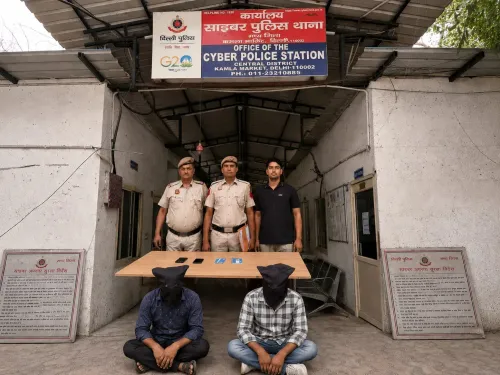
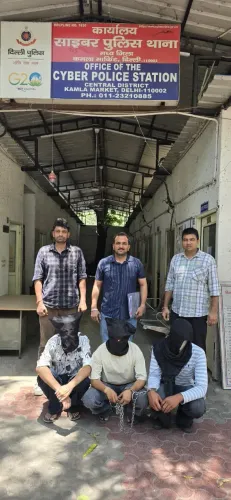
Delhi Police have dismantled a nationwide mule bank account syndicate that allegedly routed more than ₹70 crore through hundreds of fraudulent corporate accounts, arresting 10 individuals — including a branch manager of Suryoday Small Finance Bank — in an operation that exposed links to cybercrime networks operating in Dubai and the United Kingdom. The Cyber Police Station, Central District, led the crackdown, which investigators say has been active for three to four years.
How the Syndicate Operated
The racket centred on creating and supplying pre-activated mule bank accounts — complete with internet banking credentials, cheque books, passbooks, debit cards, registered SIM cards, and fake company stamps — to cybercriminals across India and abroad. Recruiters allegedly targeted vulnerable individuals, collected their identity documents, and used them to register fictitious proprietorship firms and shell companies. These entities were then used to open multiple current accounts, reportedly with the help of complicit bank officials who bypassed Know Your Customer (KYC) norms.
Investigators allege that Suryoday Small Finance Bank branch manager Kundan Kumar accepted illegal gratification — including direct transfers to his personal account — to facilitate account openings. Four officials linked to IndusInd Bank, including a branch manager, deputy manager, teller, and an insurance agent, were apprehended and bound down for allegedly enabling fraudulent transactions.
The Investigation Trail
The probe was triggered by a complaint filed by a resident of Punjabi Basti, Baljeet Nagar, Delhi, who alleged he was defrauded of ₹10,000 after being lured with promises of online work-from-home opportunities. The victim was persuaded to transfer money as registration and account processing fees before fraudsters severed contact and deleted all communication.
An FIR was registered at the Cyber Police Station, Central District, under relevant provisions of the Bharatiya Nyaya Sanhita (BNS) following a complaint on the National Cyber Crime Reporting Portal (NCRP). Cyber experts traced a portion of the defrauded amount through multiple transaction layers to an Axis Bank current account held in the name of a shell entity, 'Damion Traders'. Further analysis of financial records, email accounts, and digital footprints led investigators to alleged recruiter Mohit Soni, arrested on 8 July.
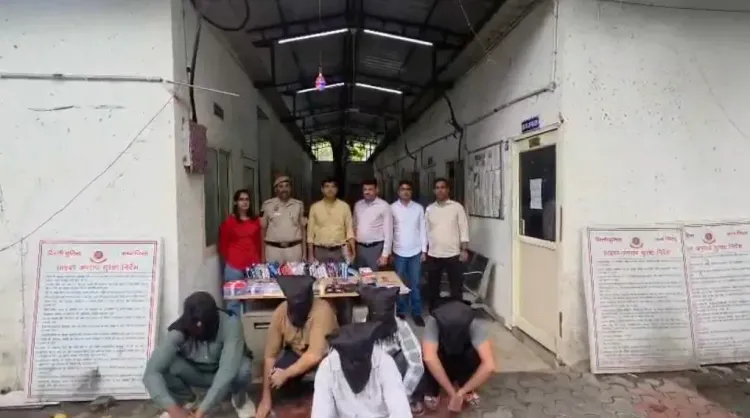
His interrogation unravelled the broader network. A subsequent raid at a rented premises in Shalimar Bagh on 14 July led to the arrest of alleged mastermind Dishant Khanna (36) and his associate Mridul (22). Police recovered 248 complete bank account kits, 38 SIM cards, 22 mobile phones, 28 fake company rubber stamps, 55 debit and credit cards, ₹1 lakh in cash, and a Maruti Brezza vehicle.
Scale of the Fraud
Financial analysis linked the 248 recovered accounts to 156 cybercrime complaints registered across 19 states and Union Territories, including Delhi, Maharashtra, Karnataka, Telangana, Uttar Pradesh, West Bengal, Gujarat, Punjab, Kerala, and Tamil Nadu. According to police, linked complaints involve cheated amounts exceeding ₹20 crore, while more than ₹70 crore was routed through the recovered accounts. Authorities have frozen approximately ₹56 lakh so far; the total disputed amount is estimated at around ₹37 crore.
Those Arrested and What Comes Next
The six formally arrested individuals are Dishant Khanna (36), Kundan Kumar (35), Mohit Soni (26), Yogesh Kumar (35), Ranjeet Damion Ekka (41), and Mridul (22). Investigators are now working to trace an absconding India-based kingpin and an alleged mastermind reportedly operating from the United Arab Emirates. A Look Out Circular (LOC) has been issued in connection with the case. Digital evidence — including WhatsApp chats and financial transaction records — is being examined to identify further links in the chain.
Point of View
They cultivate insiders to manufacture them. The KYC framework, already under strain from digital onboarding pressures, is clearly being gamed at the branch level. With 156 complaints across 19 states tied to just 248 accounts, the per-account fraud yield is striking and suggests a mature, professionalised operation rather than opportunistic crime. The Dubai-UAE angle also signals that proceeds may be leaving India's financial system entirely, making recovery an international legal challenge that domestic freezing orders alone cannot solve.
NationPress
27 Oct 2026
Frequently Asked Questions
What is the Delhi mule account syndicate that was busted?
It is a three-to-four-year-old organised network that created and supplied pre-activated corporate bank accounts — complete with KYC documents, cheque books, and debit cards — to cybercriminals in India, Dubai, and the UK. Delhi Police's Cyber Police Station, Central District, dismantled the racket and arrested 10 individuals, including bank insiders.
How much money was routed through the mule accounts?
More than ₹70 crore was routed through the 248 recovered accounts, according to police. Linked cybercrime complaints across 19 states involve cheated amounts exceeding ₹20 crore, and the total disputed amount is estimated at around ₹37 crore. Authorities have so far frozen approximately ₹56 lakh.
Who are the key accused in the Delhi mule account case?
The six formally arrested individuals are Dishant Khanna (36), alleged principal coordinator; Kundan Kumar (35), branch manager of Suryoday Small Finance Bank; Mohit Soni (26), alleged recruiter; Yogesh Kumar (35); Ranjeet Damion Ekka (41); and Mridul (22). Four IndusInd Bank officials and associates were also apprehended and bound down.
What is a mule bank account and how was it used in this case?
A mule account is a bank account opened in the name of a fictitious or unwitting individual or company and used to receive and transfer proceeds of fraud. In this case, the syndicate created shell firms, opened current accounts with the alleged help of bank insiders, and sold complete account kits to cybercriminals who used them to launder stolen money.
Is anyone still at large in the Delhi mule account case?
Yes. Investigators are working to trace an absconding India-based kingpin and an alleged mastermind reportedly operating from the United Arab Emirates. A Look Out Circular has been issued, and digital evidence including WhatsApp chats and financial records is being examined to identify further accused.