Delhi Police bust Pakistan spy ring using Indian SIMs via Dubai to infiltrate WhatsApp
Synopsis
Pakistan-linked operatives didn't hack India — they bought eight SIM cards for ₹30,000 and routed them through Dubai to quietly slip into Indian WhatsApp groups. The Delhi Police Special Cell's arrest of a local couple reveals how low-cost, civilian technology has become the frontline of cross-border espionage, with Army cantonment reconnaissance as the end goal.
Key Takeaways
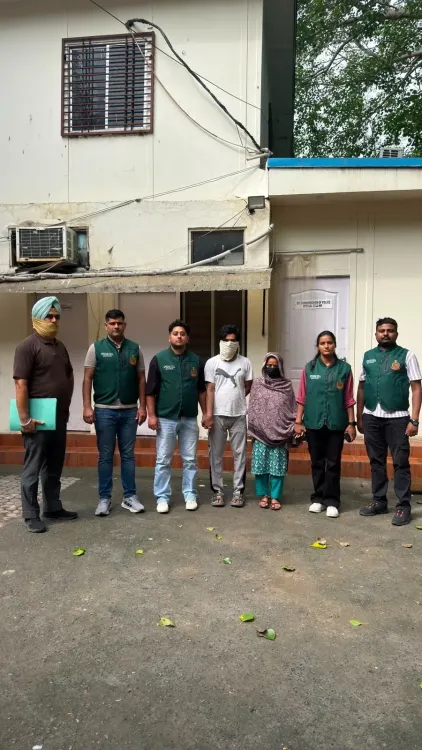
Delhi Police Special Cell arrested Delhi couple Mohammad Sahil and Sameera on 28 August for aiding a Pakistan-based espionage network.
Eight Indian SIM cards were smuggled to Pakistan via Dubai during 2024–2025 to create covert WhatsApp accounts.
The couple was reportedly paid approximately ₹30,000 by Pakistani handlers for procuring and supplying the SIM cards.
Sahil was allegedly tasked with recruiting people for reconnaissance of cantonment areas and gathering details on Army personnel facing court-martial proceedings.
Two mobile phones were recovered; forensic examination reportedly revealed WhatsApp chats with Pakistani handlers.
The operation was led by Inspectors Anuj Nautiyal and Chandan Kumar under ACP Rahul Kumar Singh of the Special Cell's Northern Range.
The Delhi Police Special Cell has dismantled a Pakistan-based espionage network that procured Indian SIM cards through local contacts, routed them to Pakistan via Dubai, and used them to infiltrate Indian WhatsApp groups and harvest sensitive information, officials said on Friday, 28 August. The operation led to the arrest of a Delhi-based couple — Mohammad Sahil and his wife Sameera — who allegedly worked with Pakistani intelligence operatives from 2024 onwards.
How the Network Operated
According to investigators, the network's method was methodical: Indian SIM cards were sourced through local contacts, physically transported to Pakistan via Dubai, and used there to activate WhatsApp accounts. Pakistani intelligence operatives then used these accounts to gain entry into Indian WhatsApp groups and approach Indian users for sensitive information.
Police confirmed that eight Indian SIM cards were dispatched to Pakistan through this Dubai corridor during 2024 and 2025. The couple was reportedly paid approximately ₹30,000 by their Pakistani handlers for procuring and supplying the cards.
How the Couple Was Recruited
During interrogation, Sahil allegedly told investigators that he first came into contact with a Pakistani agent on Instagram in 2024 — an introduction facilitated through Sameera, whom he subsequently married. That agent reportedly introduced the couple to a Pakistani intelligence operative, who allegedly recruited them into the network with promises of financial rewards.
Sahil was specifically tasked with recruiting individuals for reconnaissance of cantonment areas at various locations across India and with gathering details about Army personnel whose court-martial proceedings were pending before military tribunals — a targeting pattern that suggests a deliberate focus on defence vulnerabilities.
The Arrests and Evidence Recovered
The case came to light after the Special Cell's Northern Range received intelligence about an ISI-backed operative network active in Delhi-NCR. A team led by Inspectors Anuj Nautiyal and Chandan Kumar, working under the supervision of ACP Rahul Kumar Singh, developed the intelligence and identified the alleged local links.
Sahil was arrested from Sarai Kale Khan. Forensic examination of his mobile phone reportedly revealed incriminating conversations with Pakistani agents. Following his interrogation, Sameera was also arrested; she allegedly acknowledged playing a key role in arranging and supplying the SIM cards to the Pakistani handlers.
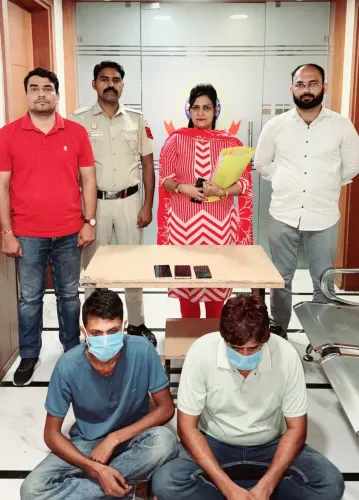
Two mobile phones used in the alleged espionage activities were recovered. Their forensic examination reportedly yielded WhatsApp chats and other digital communications between the couple and their Pakistani contacts.
Significance and Broader Context
The operation is notable for its exploitation of everyday consumer technology — civilian SIM cards and a mainstream messaging platform — as espionage infrastructure. By routing SIM cards through a third country, the network sought to obscure the Pakistani origin of the WhatsApp accounts, making it harder for Indian platforms and agencies to flag suspicious activity.
This comes amid a broader pattern of documented attempts by Pakistan-based networks to use digital platforms to recruit Indian sources, particularly targeting individuals with proximity to defence establishments. The Special Cell said the operation disrupted the network's alleged espionage activities and exposed its local support structure in Delhi-NCR.
Investigators said interrogation of the accused provided insights into the modus operandi of the Pakistan-based operatives and their use of digital communication platforms for coordination. Further investigation is underway to identify and neutralise any remaining links in the network.
Point of View
A Dubai transit stop, and a messaging app used by hundreds of millions of Indians. That is precisely what makes it effective and scalable. Pakistan-linked networks have repeatedly demonstrated a preference for exploiting civilian infrastructure over sophisticated cyber tools, because it is cheaper, deniable, and harder to attribute. What this case also surfaces is the recruitment vector: social media platforms, not dead-drops. If Sahil's first contact was an Instagram message, the pipeline from casual social media interaction to active espionage handler is disturbingly short. The focus on court-martial proceedings suggests the network was not just fishing — it was targeting specific institutional fault lines within the Indian Army.
NationPress
12 Oct 2026
Frequently Asked Questions
What did the Delhi Police Special Cell uncover in this espionage case?
The Special Cell busted a Pakistan-based spy network that used Indian SIM cards, routed through Dubai, to create WhatsApp accounts and infiltrate Indian groups for sensitive information. A Delhi couple, Mohammad Sahil and Sameera, were arrested for providing logistical support to the network since 2024.
How were the Indian SIM cards used by Pakistani intelligence operatives?
The SIM cards were procured locally through contacts in India, physically transported to Pakistan via Dubai, and used there to activate WhatsApp accounts. Pakistani intelligence operatives then used these accounts to access Indian WhatsApp groups and solicit sensitive information from Indian users.
What was the couple allegedly tasked with beyond supplying SIM cards?
Beyond procuring SIM cards, Sahil was allegedly assigned to recruit individuals for reconnaissance of cantonment areas across India and to gather details about Army personnel with pending court-martial proceedings before military tribunals.
How much were the accused paid by their Pakistani handlers?
According to police, the couple was reportedly paid approximately ₹30,000 by their Pakistani handlers in exchange for procuring and supplying eight Indian SIM cards between 2024 and 2025.
How did the accused first come into contact with Pakistani intelligence?
Sahil allegedly told investigators that he was introduced to a Pakistani agent on Instagram in 2024 through Sameera. That agent subsequently introduced the couple to a Pakistani intelligence operative, who recruited them into the network with promises of financial benefits.