Delhi Police bust ISI-Dawood terror module, 9 arrested in high-value attack plot
Synopsis
Delhi Police's Special Cell has dismantled an ISI-backed terror cell linked to the Dawood Ibrahim syndicate, arresting nine people who allegedly plotted attacks on nuclear installations, airports, and railway stations. It is the second such module busted in months — and a direct signal that Pakistan is accelerating homegrown proxy operations to maintain deniability after Operation Sindoor changed India's counter-terror calculus.
Key Takeaways
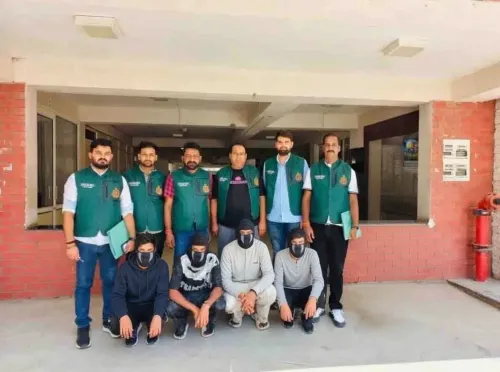
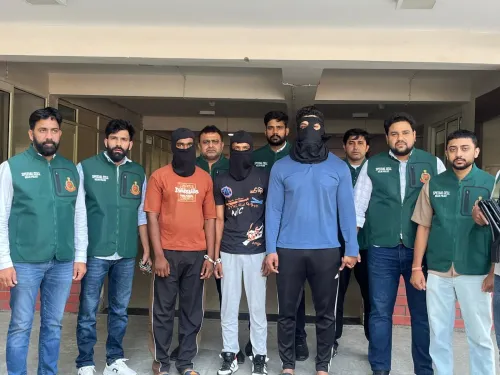
The Special Cell of the Delhi Police busted a major terror module on 30 May , arresting nine persons .
The accused had alleged links to the Dawood Ibrahim syndicate and Pakistan's ISI , and included foreign nationals .
Targets reportedly included nuclear installations , airports , and railway stations in Delhi and Mumbai .
A large cache of arms and ammunition was seized from the arrested individuals.
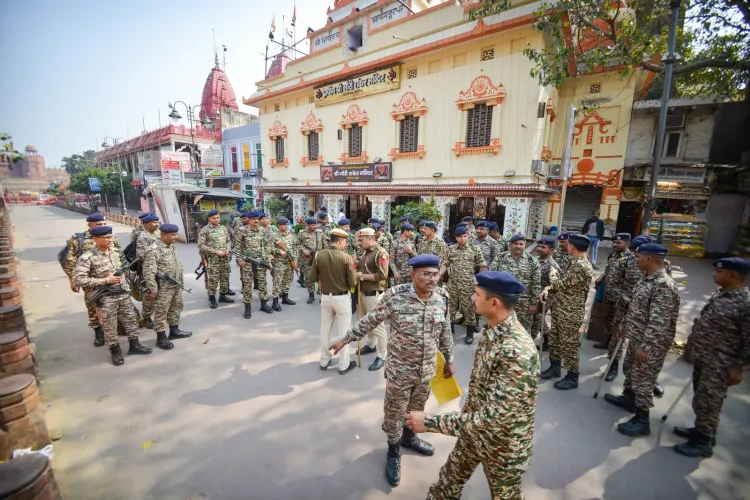
A high alert has been declared in Delhi and neighbouring areas following the arrests.
This is the second major module busted in months — the earlier Faridabad module had planned similar strikes.
The Special Cell of the Delhi Police on 30 May busted a major terror module that had been planning high-value attacks in New Delhi and Mumbai, arresting nine persons with alleged links to the Dawood Ibrahim syndicate and Pakistan's Inter-Services Intelligence (ISI). Security agencies have declared a high alert across Delhi and neighbouring areas following the operation.
Who Was Arrested and What Was Seized
The nine arrested individuals include residents of Mumbai and Delhi, as well as some foreign nationals, according to officials. Investigators recovered a large cache of arms and ammunition from the accused. Officials described the bust as significant given the scale and nature of the targets the group had identified.
Targets and Threat Assessment
According to officials, the module had identified nuclear installations, airports, and railway stations as targets — a profile consistent with high-casualty, high-visibility strikes. The group had reportedly been under surveillance by security agencies for several months before actionable intelligence enabled the arrests.
Notably, the Intelligence Bureau (IB) had issued warnings weeks earlier about the risk of IED attacks, suicide strikes, and lone-wolf shooting incidents in Delhi and surrounding areas. District units had already been placed on heightened alert and instructed to coordinate with central agencies.
ISI-Dawood Nexus Behind the Module
An Intelligence Bureau official said the ISI has been using the Dawood Ibrahim syndicate as a conduit to establish homegrown terror cells inside India. Officials argue this structure is designed to give Pakistan plausible deniability after any attack — a strategy that has reportedly intensified since Operation Sindoor, after which India revised its counter-terror doctrine to treat any act of terror originating from Pakistan as an act of war rather than a cross-border terror incident.
This is the second such module dismantled in quick succession. The Faridabad module, which was also planning strikes in Delhi and Mumbai, was shut down by agencies just months earlier — indicating a sustained and coordinated effort to activate cells across the national capital region.
Security Posture After the Bust
Following the arrests, a high alert has been declared in Delhi and neighbouring areas. District police units have been directed to maintain heightened vigilance and stay in active coordination with central intelligence agencies. Officials say the ISI has been stepping up attempts to operationalise homegrown networks in India, making such busts increasingly critical to pre-empting mass-casualty events.
With Pakistan's proxy infrastructure under renewed scrutiny post-Operation Sindoor, security agencies are expected to intensify surveillance of similar cells across other major Indian cities in the weeks ahead.
Point of View
Which frames any Pakistan-linked terror act as an act of war, appears to have pushed the ISI deeper into the Dawood syndicate's civilian network as a workaround. The real question is whether India's intelligence architecture can scale fast enough to detect cells before they activate, given that the IB had already flagged IED and lone-wolf risks weeks before this arrest. Two modules in a few months is not a coincidence — it is a pattern, and patterns demand a systemic response, not just case-by-case arrests.
NationPress
14 Oct 2026
Frequently Asked Questions
What terror module did Delhi Police bust on 30 May?
The Special Cell of the Delhi Police dismantled a terror module on 30 May that was allegedly planning high-value attacks in New Delhi and Mumbai. Nine persons were arrested, including foreign nationals, with alleged links to the Dawood Ibrahim syndicate and Pakistan's ISI.
What were the targets of the busted terror module?
According to officials, the group had identified nuclear installations, airports, and railway stations as targets — a profile consistent with mass-casualty, high-visibility strikes. A large cache of arms and ammunition was also recovered from the accused.
What is the connection between the ISI and the Dawood Ibrahim syndicate in this case?
An Intelligence Bureau official said the ISI has been using the Dawood Ibrahim syndicate to set up homegrown terror modules inside India. This structure is designed to give Pakistan plausible deniability after any attack, a strategy reportedly intensified after Operation Sindoor.
Why has Delhi been placed on high alert?
Following the arrests, a high alert was declared in Delhi and neighbouring areas. The Intelligence Bureau had also warned weeks earlier about the risk of IED attacks, suicide strikes, and lone-wolf shootings in the region, prompting district units to coordinate with central agencies.
Is this the first such module to be busted recently?
No. The Faridabad module, which was also planning similar strikes in Delhi and Mumbai, was dismantled just months earlier. Officials say the ISI has been increasingly activating homegrown cells in India, making this the second major bust in quick succession.