ISI revives 1993 Mumbai blasts playbook with Jhingada-Bhatti terror module
Synopsis
The Delhi Police Special Cell's arrest of nine people on 1 June has exposed what investigators call the most dangerous underworld-terror nexus since 1993 — with the ISI reportedly deploying Dawood aide Munna Jhingada and recruiter Shahzad Bhatti as a deniable proxy, precisely as Jaish-e-Mohammad and Lashkar-e-Tayiba reel from Operation Sindoor losses. The 1993 playbook is reportedly back in play.
Key Takeaways
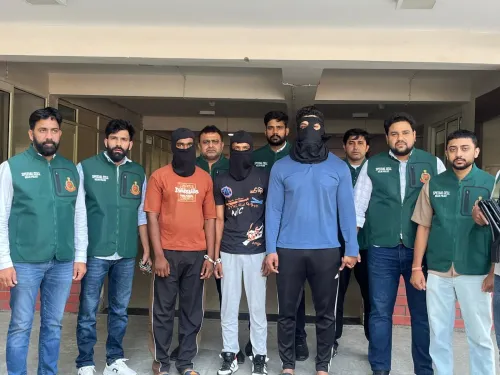
Delhi Police Special Cell arrested nine people on 1 June , busting a Dawood Ibrahim -backed terror module.
Munna Jhingada (alias Mudassar Hussain Sayyed) led ground operations; ISI asset Shahzad Bhatti handled recruitment and planning.
Officials say the ISI is reviving the 1993 Mumbai serial blasts model — using the underworld for execution while providing funding and direction.
Lama Aung Kami ( 66 ), a Nepali national, was among those arrested; he allegedly coordinated logistics and finances.
The shift is linked to Jaish-e-Mohammad and Lashkar-e-Tayiba being weakened after Operation Sindoor , pushing the ISI toward underworld proxies.
Officials warn of further modules targeting religious sites , railway stations , and prominent individuals.
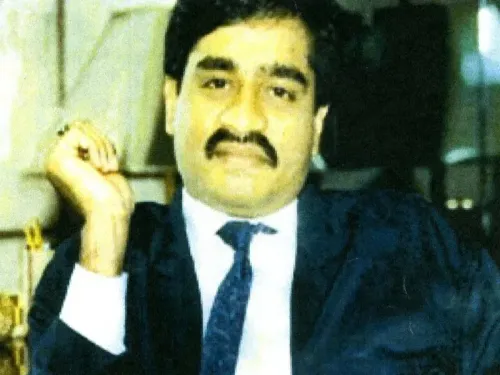
Pakistan's Inter-Services Intelligence (ISI) has reportedly activated a lethal underworld-terror combination — Dawood Ibrahim aide Mudassar Hussain Sayyed, alias Munna Jhingada, and ISI asset Shahzad Bhatti — to orchestrate coordinated attacks on Indian soil, according to officials probing the case. The plot came to light on Saturday, 1 June, when the Special Cell of the Delhi Police dismantled a Dawood-backed module and arrested nine individuals in what investigators describe as the most significant underworld-terror nexus busted since the 1993 Mumbai serial blasts.
How the Module Operated
According to investigators, Jhingada was handling the module's on-ground operations while Bhatti oversaw recruitment and attack planning. The network leveraged the D-Syndicate's existing infrastructure inside India — contacts, logistics chains, and financial conduits — to plan and execute terror operations. Officials say the ISI provided funding and strategic direction, mirroring the support structure it deployed ahead of the 1993 blasts.
Among those arrested was Lama Aung Kami (66), a resident of Nepal, who reportedly met Jhingada during the latter's decade-long incarceration in a Thailand jail. Kami is alleged to have coordinated logistics and finances for the module. Jhingada had originally been arrested in Thailand following an attempt on the life of rival gangster Chhota Rajan. When India filed an extradition request, Pakistan reportedly contested it in court, successfully arguing that Jhingada — who had entered Thailand on a Pakistani passport — was a Pakistani citizen.
The 1993 Parallel: Why Officials Are Alarmed
An official familiar with the investigation said the ISI is 'writing a pretty similar script' to 1993, when it enlisted the Dawood module to carry out the Mumbai serial blasts — an operation that spanned arms smuggling, target selection, logistics, and execution, with the ISI supplying funds and training. After 1993, officials note, the underworld was largely kept away from direct terror execution and was instead used to funnel narcotics revenue to Pakistan-based terror groups. That calculus appears to have shifted.
Notably, this tactical pivot comes as both Jaish-e-Mohammad (JeM) and Lashkar-e-Tayiba (LeT) are described as being 'on the backfoot' — reeling from losses sustained during Operation Sindoor and facing a reported trust deficit with Pakistan's establishment. Officials argue this vacuum is pushing the ISI to rely more heavily on the underworld as a deniable proxy.
Bhatti's Digital Recruitment Drive
Investigators say Shahzad Bhatti has been using social media extensively to propagate anti-India content, making it his primary recruitment tool. He has reportedly targeted young Indians to join the underworld-terror module. Officials describe the Jhingada-Bhatti combination as 'seamless' — Jhingada providing the criminal network and ground knowledge, Bhatti handling ideology and online outreach.
An Intelligence Bureau official warned that the underworld is likely to scale up activities and establish additional modules. Potential targets, according to officials, include religious sites, railway stations, and prominent individuals. A similar modus operandi had surfaced earlier when Indian agencies intercepted intelligence about Dawood being directed to recruit sharpshooters to target Hindu leaders in Gujarat and elsewhere.
What Investigators Say Comes Next
Probe officials say the busted module is likely one of several being assembled simultaneously. The underworld's advantage, they argue, is that its members are typically classified as criminals rather than terrorists, making surveillance and interdiction more complex. Security agencies are expected to intensify monitoring of social media recruitment pipelines and cross-border financial flows linked to the D-Syndicate in the weeks ahead.
Point of View
The ISI appears to be reverting to a pre-2001 model where the underworld provided plausible deniability that designated terror outfits could not. The 1993 parallel is instructive: that operation succeeded partly because the criminal-terror line was blurred enough to delay attribution. India's security agencies face the same attribution problem today, compounded by Bhatti's social media pipeline that recruits from within Indian borders. The real vulnerability is not the module that was busted — it is the ones still being assembled.
NationPress
15 Sept 2026
Frequently Asked Questions
What did the Delhi Police Special Cell bust on 1 June?
The Special Cell dismantled a Dawood Ibrahim-backed terror module on 1 June and arrested nine people, including Nepali national Lama Aung Kami. Investigators say it is the most significant underworld-terror nexus busted since the 1993 Mumbai serial blasts.
Who are Munna Jhingada and Shahzad Bhatti?
Munna Jhingada (real name Mudassar Hussain Sayyed) is a senior aide of Dawood Ibrahim, originally from Jogeshwari, Mumbai, who served a decade in a Thai jail. Shahzad Bhatti is described by officials as an ISI asset who handled recruitment and planning for the module, using social media to target young Indians.
Why is the ISI reportedly turning to the underworld now?
Officials say both Jaish-e-Mohammad and Lashkar-e-Tayiba are weakened following Operation Sindoor and face a trust deficit with Pakistan's establishment. This has pushed the ISI to use the underworld as a deniable proxy capable of operating inside India with an existing criminal network.
How does this compare to the 1993 Mumbai blasts?
In 1993, the ISI enlisted the Dawood module to plan and execute the Mumbai serial blasts, providing funding and training while the underworld handled logistics and execution. Officials say the current operation follows the same template — the ISI directing strategy while the D-Syndicate's India network carries out ground-level operations.
What targets are the security agencies warning about?
According to officials probing the case, the underworld-terror module had religious sites, railway stations, and prominent individuals on its radar. Agencies are warning that additional modules are likely being assembled and have urged heightened surveillance of social media recruitment and cross-border financial flows.