Delhi Police busts Dawood syndicate module plotting Delhi-Mumbai attacks
Synopsis
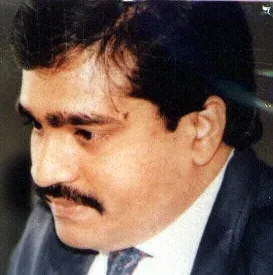
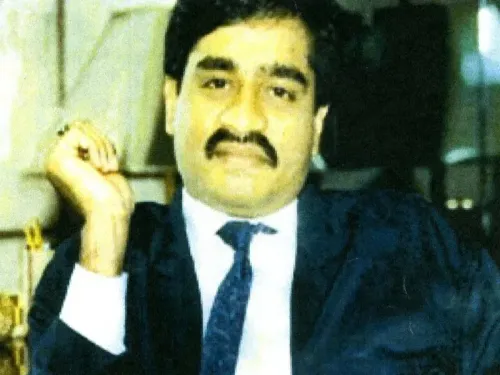
Delhi Police's Special Cell has cracked a Dawood Ibrahim-linked terror plot targeting Delhi and Mumbai — and in doing so, produced fresh on-record confirmation that Dawood is still operating from Clifton Road, Karachi, under ISI protection. Eight arrests, seized grenades, and an ISI-monitored command centre next to Dawood's residence paint a picture of a syndicate that is far from dormant.
Key Takeaways
Delhi Police Special Cell arrested eight people linked to a Dawood Ibrahim syndicate module planning attacks in Delhi and Mumbai .
Interrogation confirmed Clifton Road, Karachi — near the Saudi Mosque — as Dawood's primary residence, with five total addresses across Karachi.
Key operative Munna Jhingada (Muddasar Hussain Sayyed) ran the command centre adjacent to Dawood's Clifton base, under direct ISI supervision.
The syndicate had earmarked ₹20 lakh for the module; weapons including hand grenades were smuggled into Gurdaspur, Punjab .
Post- Operation Sindoor , Dawood was temporarily moved across his Karachi addresses but has since returned to Clifton, according to officials.
Accused were promised an escape route via Nepal and onward to Dubai after executing the attacks.
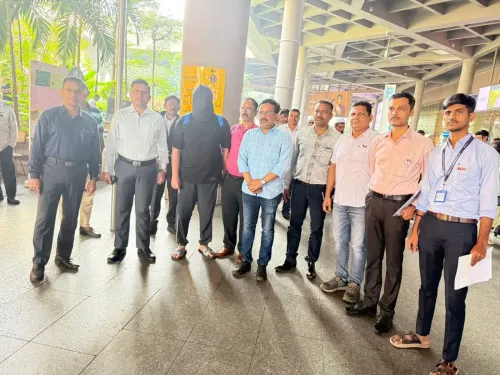
The Special Cell of the Delhi Police has dismantled a major terror module linked to the Dawood Ibrahim syndicate that was actively planning coordinated attacks in Delhi and Mumbai, following the arrest of eight accused. Interrogation of the suspects has reinforced longstanding intelligence assessments that Clifton Road, Karachi, remains Dawood Ibrahim's primary base of operations — and that the ISI continues to provide him active cover.
The Clifton Connection
According to officials involved in the investigation, the operation was being directed from the Clifton Road area of Karachi, near the Saudi Mosque — widely regarded as Dawood's most secure address. Investigators say Dawood maintains five addresses, all within Karachi: two in Clifton, and others in Defence Housing Authority, the Noorbad area, and 617 CP Berar Society. 'The very fact that the operation was being handled from the Clifton Road area makes it clear that Dawood Ibrahim is residing there,' an official said.
Officials further noted that all of Dawood's close associates reside in proximity to him, and that drug operations as well as terror modules are coordinated from the Clifton area. The ISI's Karachi Regional Directorate — a major field office separate from the national headquarters in Islamabad — is said to oversee his protection directly.
Post-Operation Sindoor Movements
Following Operation Sindoor, reports had emerged of Dawood being relocated. An Intelligence Bureau official confirmed that he was briefly moved across his five Karachi addresses to reduce his exposure to potential Indian military action. However, according to officials, once the immediate threat perception subsided, Dawood returned to his primary Clifton address.
ISI's Role in the Module
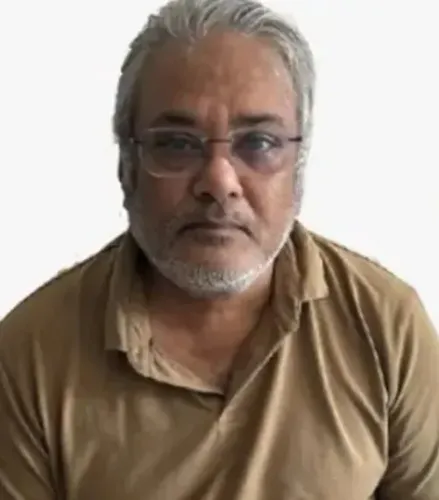
The Delhi Police probe revealed that several ISI officials were directly embedded in the planning process. They reportedly held regular meetings with Muddasar Hussain Sayyed, alias Munna Jhingada — identified as a key aide of Dawood Ibrahim — and provided operational instructions for executing attacks on Indian soil.
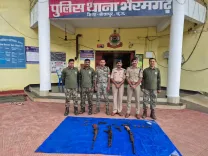
Jhingada is said to have established a command centre near Dawood's Clifton residence, which was monitored and guarded by ISI personnel. Investigators found that Jhingada and his associates oversaw every stage of the operation — from recruitment to arms procurement. The ISI also reportedly facilitated the weapons pipeline: Jhingada, with ISI assistance, arranged for hand grenades to be dropped in Gurdaspur, Punjab. Delhi Police seized a large cache of weapons and grenades during the operation.
Targets, Funding, and Escape Plan
Primary targets were confirmed as Delhi and Mumbai, with additional cities earmarked depending on the outcome of the first wave of attacks. The Dawood syndicate had reportedly allocated ₹20 lakh as payment upon successful completion of the operation.
Officials described this as more of a structured 'hit operation' than a conventional terror strike — a deliberate choice, they said, that explains why the ISI opted to route it through the underworld. The plan was designed to be cost-effective and easy to execute, with grenades targeted at prominent locations.
The accused were also promised a post-attack escape route: safe passage into Nepal, followed by onward travel to Dubai, according to investigators. The module's unravelling by the Special Cell has for now neutralised the immediate threat, but officials indicate that broader network linkages remain under investigation.
Point of View
But the more consequential disclosure is the on-record confirmation — from Delhi Police investigators — that Dawood Ibrahim remains at Clifton Road under active ISI protection, even after Operation Sindoor raised the stakes. India has designated Dawood a global terrorist for over two decades, and Pakistan has repeatedly denied his presence on its soil; this probe adds to a mounting body of contradicting evidence. The ISI's direct involvement in target selection and weapons logistics blurs the line between state-sponsored terror and organised crime in ways that carry serious diplomatic implications. The unanswered question is not where Dawood is — investigators appear confident on that — but what India's next lever of pressure looks like when the intelligence is this explicit and the diplomatic options remain this constrained.
NationPress
21 Sept 2026
Frequently Asked Questions
What terror module did the Delhi Police bust?
The Special Cell of the Delhi Police dismantled a Dawood Ibrahim syndicate module that was planning coordinated attacks in Delhi and Mumbai. Eight people were arrested, and a cache of weapons including hand grenades was seized during the operation.
Where is Dawood Ibrahim currently based, according to the probe?
According to Delhi Police investigators, Dawood Ibrahim is based at Clifton Road, Karachi, near the Saudi Mosque, which is described as his primary and most secure address. He reportedly maintains five addresses across Karachi, but major operations are directed from Clifton.
Who is Munna Jhingada and what was his role?
Munna Jhingada, whose real name is Muddasar Hussain Sayyed, is identified as a key aide of Dawood Ibrahim. He reportedly established and ran the command centre near Dawood's Clifton residence, overseeing recruitment, arms procurement, and operational coordination — with direct ISI involvement.
What was the ISI's role in the plot?
According to the investigation, several ISI officials participated directly in planning the attacks, held regular meetings with Jhingada, and monitored the command centre. The ISI also reportedly facilitated the smuggling of hand grenades into Gurdaspur, Punjab.
What happened to Dawood Ibrahim after Operation Sindoor?
An Intelligence Bureau official said Dawood was briefly moved across his five Karachi addresses following Operation Sindoor to reduce exposure. However, once the threat perception eased, he reportedly returned to his main Clifton Road address.