CM Sukhu joins INDIA bloc march to Supreme Court over vote theft
Synopsis
Himachal Pradesh CM Sukhvinder Singh Sukhu announced on October 12, 2026, that the INDIA alliance, led by Rahul Gandhi, marched to the Supreme Court to file a petition against alleged vote theft, escalating Congress's formal movement to protect citizens' voting rights.
Key Takeaways
The INDIA alliance marched to the Supreme Court on October 12, 2026 to file a petition on alleged vote theft.
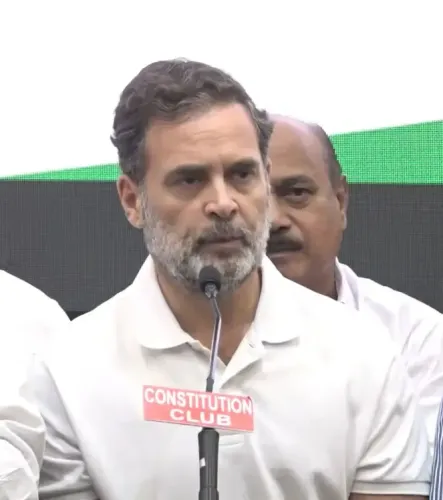
Rahul Gandhi , Leader of the Opposition in the Lok Sabha, led the march.
The INDIA bloc had previously submitted a memorandum to the President of India over weakening democracy.
Rahul Gandhi had first raised the electoral malpractice issue publicly two years ago .
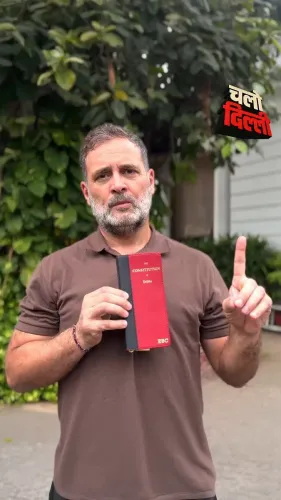
CM Sukhu stated that Congress has formally launched a movement to stop vote theft and protect citizens' franchise.
The alliance is pursuing parallel legal and street-level mobilisation under the framing of an andolan (movement).
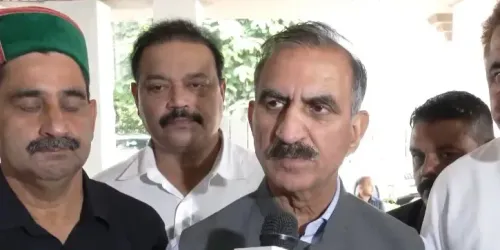
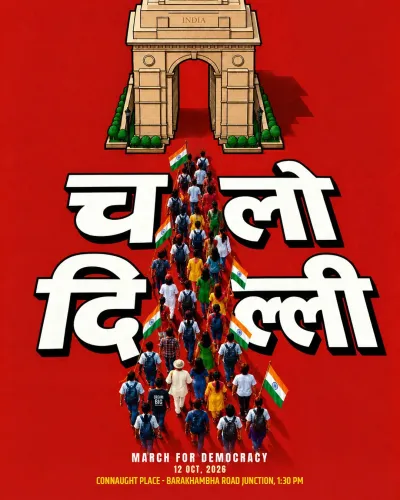
The battle over electoral integrity moved from Parliament corridors to the Supreme Court on Monday, October 12, 2026, as the INDIA alliance — led by Leader of Opposition Rahul Gandhi — marched to the apex court to file a petition, with Himachal Pradesh Chief Minister Sukhvinder Singh Sukhu firmly declaring that Congress will not stay silent while, as he put it, 'votes are being stolen to seize power.'
From the President's door to the Supreme Court's steps
The march on Monday represents an escalation in strategy. The INDIA bloc had already submitted a memorandum to the President of India expressing alarm over what the alliance describes as a weakening of democracy in the country. Sukhu underlined that this is not a sudden reaction — Rahul Gandhi, in his capacity as Leader of the Opposition in the Lok Sabha, had raised the issue of electoral malpractice publicly two years ago, making today's Supreme Court petition the legal culmination of a sustained political campaign.
Sukhu's post in Hindi states plainly: 'वोट चोरी के ज़रिए सत्ता हथियाई जा रही है' ('Power is being captured through vote theft'), adding that Congress has now formally launched a movement to stop vote theft and protect the franchise of ordinary citizens.
Congress frames this as a movement, not just a march
The choice of language — andolan (movement) rather than protest — is deliberate and significant. By framing the Supreme Court petition within a broader citizen-rights movement, the INDIA alliance is signalling that legal action and street mobilisation will run in parallel. The petition, once filed, would likely seek judicial scrutiny of electoral processes, though the specific reliefs sought were not detailed in the post.
Sukhu's involvement amplifies the signal: a sitting Chief Minister publicly backing a Supreme Court petition on electoral integrity adds institutional weight to what might otherwise be read as routine opposition theatre. For the Congress, which governs Himachal Pradesh and a handful of other states, the move is also a demonstration of unity across the INDIA bloc ahead of future electoral contests.
What the petition means for India's electoral debate
India's electoral process has been a recurring flashpoint between the ruling dispensation and the opposition, with disputes over Electronic Voting Machines (EVMs), voter rolls, and Election Commission appointments surfacing repeatedly since 2024. The INDIA alliance's decision to carry its grievances to the Supreme Court represents a formal, on-record demand for judicial oversight — a move that forces the debate from social media and press conferences into an institution that can compel responses.
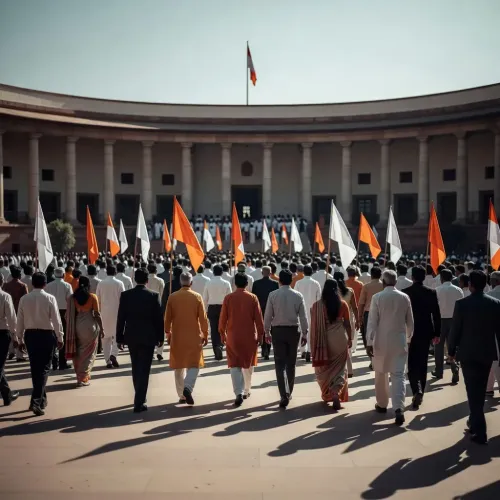
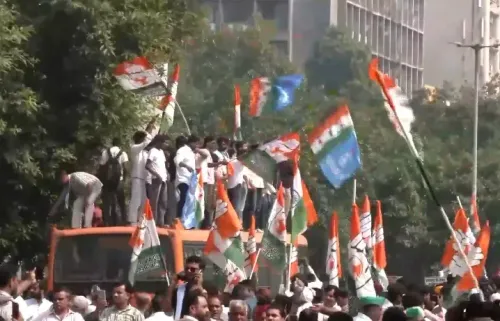
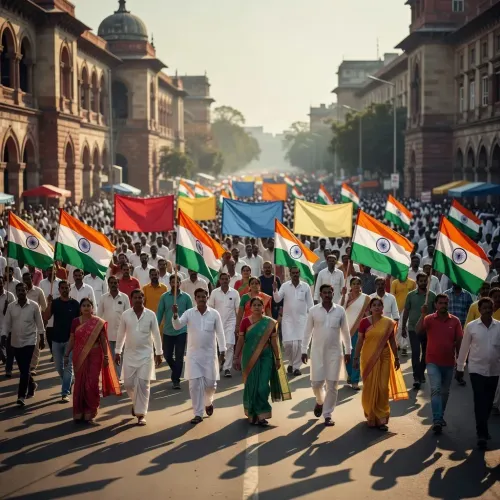
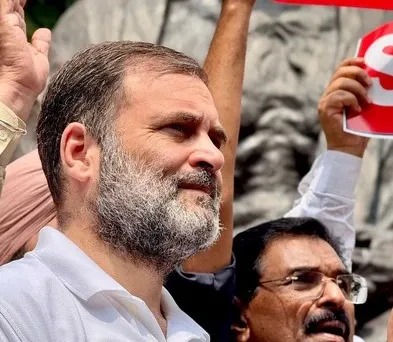
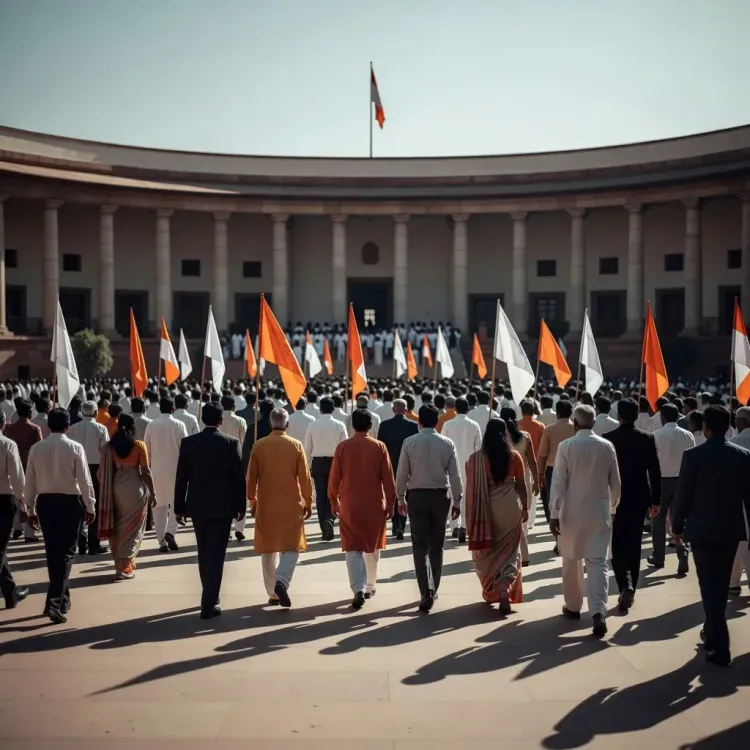
Whether the court admits the petition, and on what grounds, will determine how much oxygen this campaign gets beyond today's march. But the march itself — a column of opposition leaders walking to the highest court in the land — is a visual that carries its own verdict on where the alliance believes the fight must now be fought.
Point of View
Congress is attempting to sustain momentum beyond a single news cycle and build a narrative of systemic electoral threat ahead of upcoming state and national polls. A sitting Chief Minister like Sukhu lending his voice adds institutional credibility, but the real test will be whether the Supreme Court admits the petition and what scrutiny it invites. The move also underscores how India's electoral disputes are increasingly fought on multiple fronts simultaneously — Parliament, the streets, and now the apex court.
NationPress
12 Oct 2026
Frequently Asked Questions
Why did the INDIA alliance march to the Supreme Court on October 12, 2026?
The INDIA alliance marched to the Supreme Court on October 12, 2026, to file a petition against alleged vote theft and to demand judicial scrutiny of electoral processes in India.
Who led the INDIA alliance's Supreme Court march?
Leader of the Opposition in the Lok Sabha, Rahul Gandhi , led the march to the Supreme Court.
What did the INDIA bloc submit to the President of India?
The INDIA bloc submitted a memorandum to the President of India expressing concern over what the alliance described as a weakening of democracy in the country.
What is CM Sukhu's role in the INDIA alliance's protest?
Himachal Pradesh Chief Minister Sukhvinder Singh Sukhu publicly backed the march and petition, declaring that Congress has launched a formal movement to stop vote theft and protect citizens' voting rights.
What does Congress mean by calling this an 'andolan'?
By using the term andolan (movement) rather than 'protest,' Congress is signalling a sustained, structured campaign combining legal action in the Supreme Court with street-level mobilisation, rather than a one-off demonstration.