CM Samrat Choudhary transfers ₹112 cr flood relief to 1.6 lakh Bihar families

Synopsis
Bihar CM Samrat Choudhary transferred ₹112.14 crore via DBT to 1,60,201 flood-hit families on October 12, 2026, bringing total flood relief this season to ₹726.17 crore covering over ten lakh households across the state.
Key Takeaways
₹112.14 crore transferred directly to 1,60,201 flood-affected families on October 12, 2026.
Each family received a flat ₹7,000 in relief, disbursed via Direct Benefit Transfer (DBT).
Cumulative flood relief this season now stands at ₹726.17 crore covering 10,37,391 families .
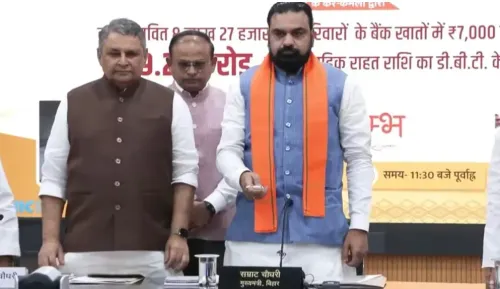
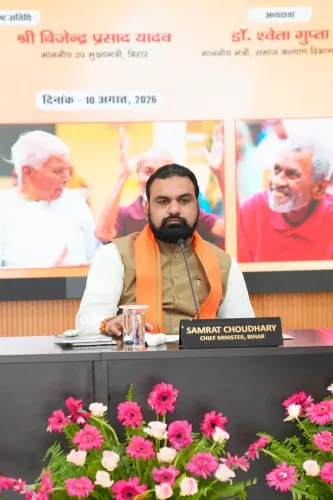
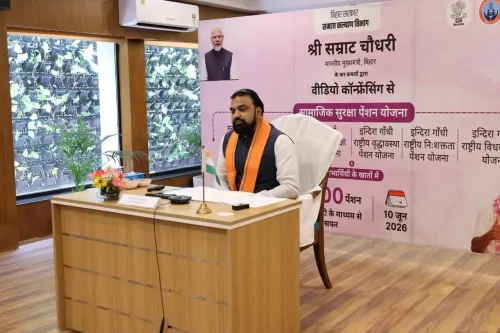
The disbursement was conducted from the Sankalpan Sabhagar at Lokasevak Awas , Patna, by CM Samrat Choudhary.
DBT ensures money reaches beneficiaries directly, bypassing intermediaries and reducing leakage.
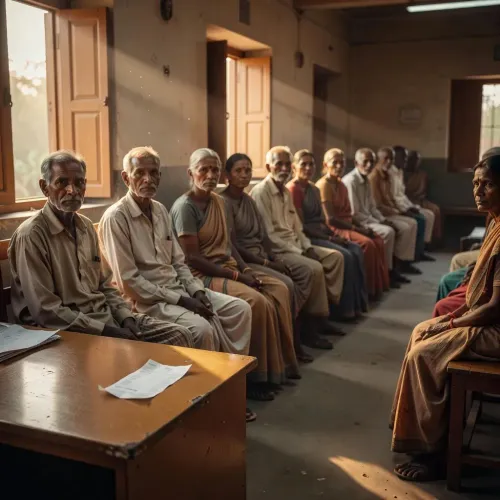
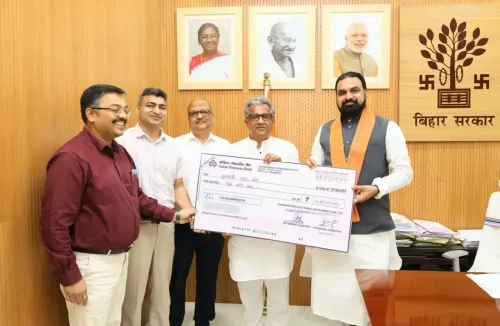
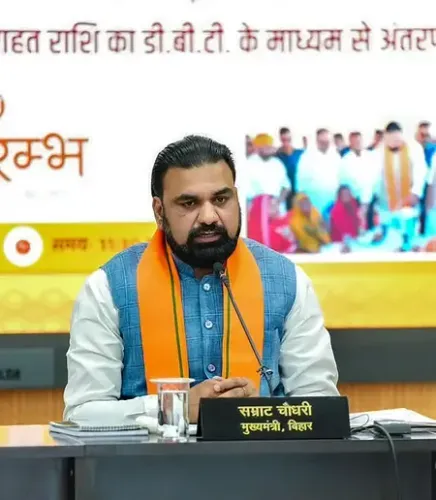
With a single command from the Sankalpan Sabhagar at Lokasevak Awas, Bihar Chief Minister Samrat Choudhary on Monday, October 12, 2026 transferred ₹112.14 crore directly into the bank accounts of 1,60,201 flood-affected families — each household receiving a flat ₹7,000 in relief money, deposited instantly through the Direct Benefit Transfer mechanism.
₹726 crore disbursed — and counting
Monday's tranche is not a standalone gesture; it is the latest in a sustained, state-wide relief operation. Choudhary announced that the cumulative tally now stands at ₹726.17 crore disbursed to 10,37,391 flood-affected families across Bihar — numbers that underscore just how widespread this year's flood damage has been.
The Direct Benefit Transfer route, which bypasses intermediaries and lands money straight into beneficiary accounts, has become the standard delivery channel for disaster relief in India. By routing the aid through DBT, the state government aims to eliminate leakage and ensure that the full ₹7,000 reaches each family without deduction.
Bihar's recurring flood crisis
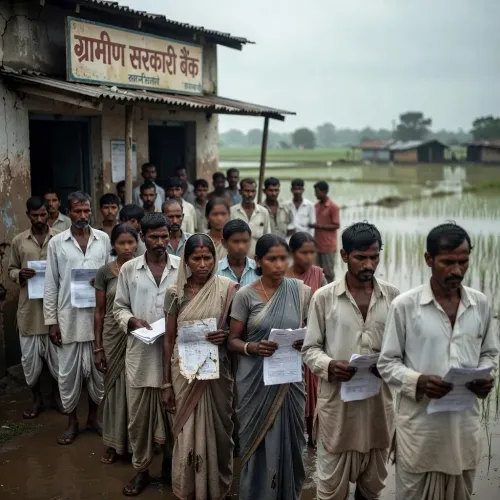
Bihar is among the most flood-prone states in India, with major rivers — the Kosi, Gandak, Bagmati, and Mahananda — regularly breaching their banks during and after the monsoon season. The north Bihar plains, in particular, face near-annual inundation that displaces millions and wipes out crops and livestock. State-administered cash relief, coordinated through district administrations and deposited via DBT, has become the first line of response while longer-term reconstruction follows.
The scale of this round — over ten lakh families assisted so far — signals that the 2026 flood season has been severe, even by Bihar's demanding historical baseline.
The Lokasevak Awas event
The Chief Minister presided over the disbursement ceremony from the 'Sankalpan Sabhagar' (Resolution Hall) at Lokasevak Awas, the official residence and working base of Bihar's Chief Minister in Patna. Conducting the transfer from a formal, designated venue — and posting about it publicly — signals an effort to put accountability and visibility at the centre of the relief operation, rather than allowing the disbursements to happen quietly through bureaucratic channels.
For Bihar's flood-hit families, ₹7,000 is an immediate lifeline — not a solution. The real test now is whether reconstruction support, crop compensation, and infrastructure repair follow at the same speed.
Point of View
Presiding publicly over each tranche serves a dual purpose: it demonstrates administrative follow-through ahead of any electoral cycle, and it positions the BJP-led state government as proactive on disaster welfare. The flat ₹7,000 per household, however, has historically drawn scrutiny from welfare economists who argue such amounts barely cover immediate losses, let alone agricultural damage — the medium-term reconstruction and crop-loss compensation packages will ultimately define whether the relief is seen as substantive.
NationPress
12 Oct 2026
Frequently Asked Questions
How much flood relief has Bihar distributed in 2026?
As of October 12, 2026, Bihar has distributed a cumulative total of ₹726.17 crore in flood relief to 10,37,391 flood-affected families across the state.
How much money does each Bihar flood-affected family get?
Each flood-affected family in Bihar receives ₹7,000 in cash relief, transferred directly to their bank account via the Direct Benefit Transfer (DBT) mechanism.
What is DBT and why is it used for flood relief in Bihar?
DBT, or Direct Benefit Transfer, is a government system that deposits funds directly into beneficiaries' bank accounts, bypassing middlemen. It is used for flood relief to ensure the full amount reaches affected families without deduction or delay.
Who announced the Bihar flood relief transfer on October 12, 2026?
Bihar Chief Minister Samrat Choudhary announced and presided over the transfer of ₹112.14 crore to 1,60,201 families from the Sankalpan Sabhagar at Lokasevak Awas in Patna.
Why does Bihar face floods every year?
Bihar is one of India's most flood-prone states due to major rivers like the Kosi, Gandak, Bagmati, and Mahananda that frequently overflow during and after the monsoon season, inundating vast stretches of north Bihar's plains.