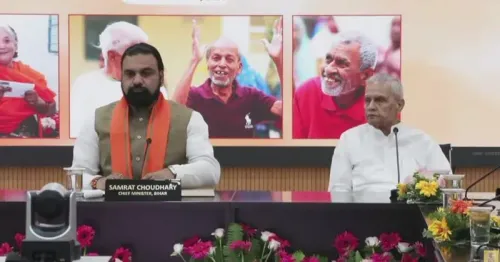
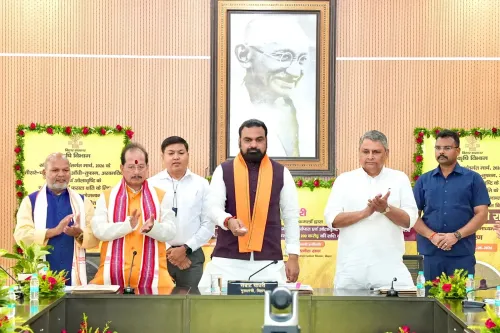
CM Samrat Choudhary Transfers ₹112.14 Cr to Flood Victims via DBT
Synopsis
Bihar Chief Minister Samrat Choudhary announced a ₹112.14 crore Direct Benefit Transfer to flood-affected families on October 12, 2026, marking the second phase of state disaster relief disbursement via a live broadcast.
Key Takeaways
₹112.14 crore transferred to flood-affected families in Bihar under the second phase of DBT relief.
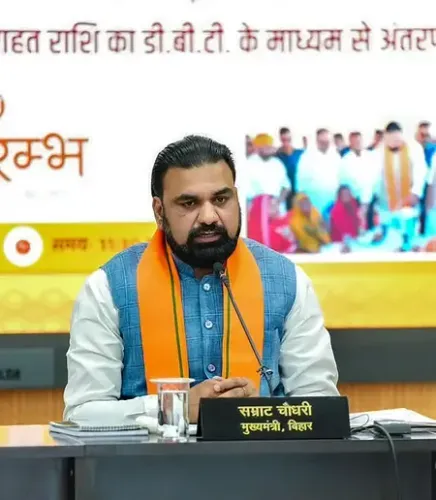
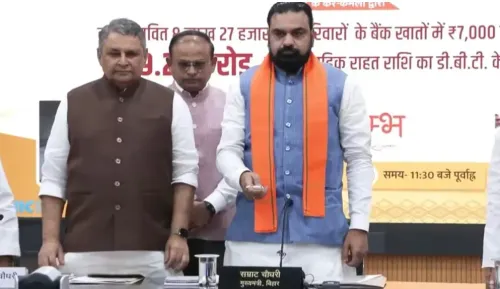
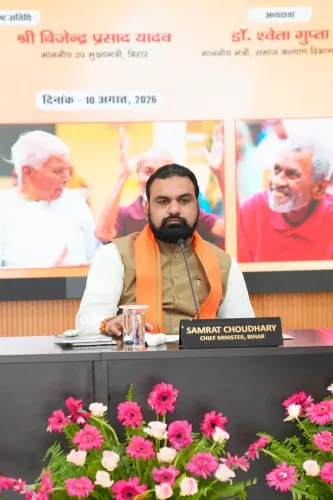
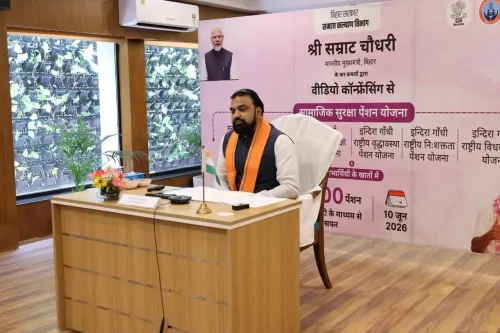
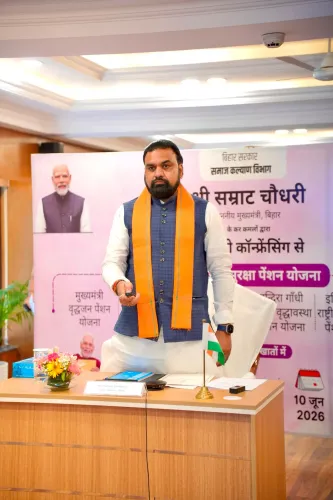
Chief Minister Samrat Choudhary announced the disbursement live on October 12, 2026 .
Direct Benefit Transfer routes funds directly to Aadhaar-seeded bank accounts, cutting out intermediaries.
Bihar is one of India's most flood-prone states, with rivers like the Kosi, Gandak, and Bagmati causing annual inundation.
The second-phase payment indicates completion of a broader beneficiary verification process following an earlier emergency disbursement.
The live broadcast of the transfer signals a push for transparency and public accountability in disaster relief.
In a direct strike against flood-relief delays, Bihar Chief Minister Samrat Choudhary on Monday, October 12, 2026, announced the transfer of ₹112.14 crore to flood-affected families across Bihar under the second phase of Direct Benefit Transfer — putting cash directly into the hands of those who need it most, bypassing every middleman in the chain.
₹112.14 crore, Phase Two — what this means on the ground
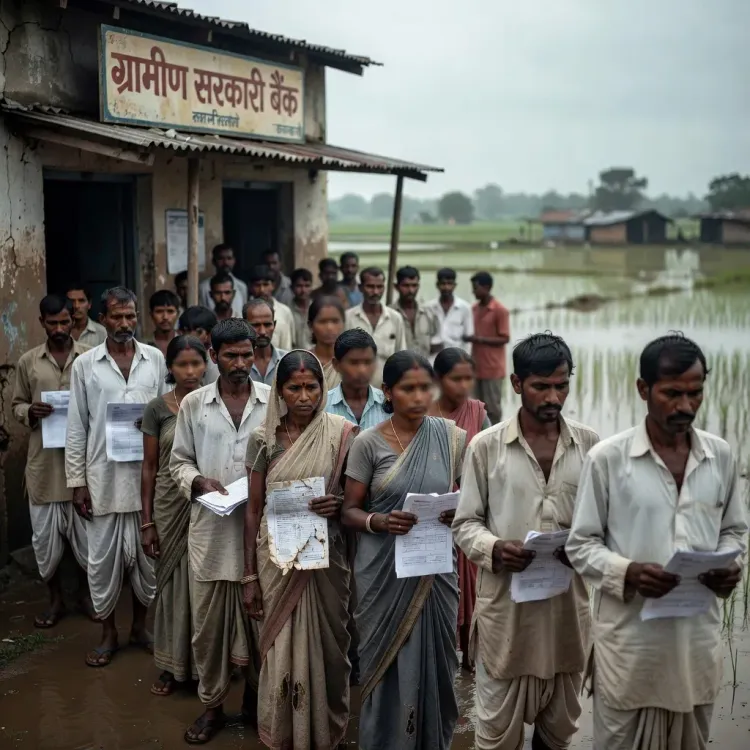
The Chief Minister's post, shared live, confirmed the second-phase DBT disbursement to baadh peedit parivaron (flood-affected families) in Bihar. By routing relief through the Direct Benefit Transfer mechanism, the state government ensures that assistance reaches verified beneficiaries' bank accounts without the leakage that historically plagued manual distribution in disaster-hit zones.
Bihar is among India's most flood-prone states, with the Kosi, Gandak, Bagmati and other northern rivers regularly inundating districts each monsoon season. Second-phase payments typically follow a rapid first-phase emergency disbursement, suggesting the state has now completed beneficiary verification for a wider pool of affected households.
DBT as Bihar's flood-relief backbone
The use of DBT for disaster compensation has become a cornerstone of Bihar's relief architecture in recent years. The system links Aadhaar-seeded bank accounts to state disaster funds, enabling large-volume transfers that can be executed — and audited — within hours of government approval. A ₹112 crore-plus outflow in a single phase signals a substantial caseload of verified claimants, underlining the scale of this year's inundation impact.
For Chief Minister Choudhary, the live broadcast of the transfer is also a governance statement: relief is visible, time-stamped, and publicly accountable. In a state where flood politics have historically been charged, the transparency of a live DBT announcement carries weight beyond the numbers.
With phase two now complete, the question every flood-affected household in Bihar is asking is simple: when does phase three arrive — and how many more families does it reach?
Point of View
Effective and visible flood relief is not just governance — it is electoral ground-work in a state where annual inundation shapes voter sentiment in dozens of constituencies. The phased approach also suggests a systematic verification drive, raising the question of how many additional phases — and how many more crores — may follow.
NationPress
12 Oct 2026
Frequently Asked Questions
How much money did Bihar government transfer to flood victims in the second phase?
Bihar transferred ₹112.14 crore to flood-affected families in the second phase of Direct Benefit Transfer relief, as announced by Chief Minister Samrat Choudhary on October 12, 2026.
What is DBT and how does it help flood victims in Bihar?
DBT, or Direct Benefit Transfer, deposits government relief money directly into the Aadhaar-seeded bank accounts of verified beneficiaries, cutting out middlemen and reducing the risk of leakage or corruption in disaster relief distribution.
Why is Bihar so vulnerable to floods every year?
Bihar sits in the path of major Himalayan rivers including the Kosi, Gandak, and Bagmati , which swell dramatically during the monsoon season and regularly breach their banks, inundating large parts of northern Bihar.
Who announced the second phase flood relief in Bihar 2026?
Bihar Chief Minister Samrat Choudhary , a senior BJP leader, announced the second-phase DBT flood relief transfer of ₹112.14 crore via a live broadcast on October 12, 2026.
Will there be more phases of flood relief DBT payments in Bihar?
The announcement of a 'second phase' implies at least one earlier disbursement has already been made. Whether additional phases follow will depend on ongoing beneficiary verification and the scale of flood damage officially assessed by the state government.