CM Samrat Choudhary transfers ₹1,100 pension via DBT to Bihar beneficiaries
Synopsis
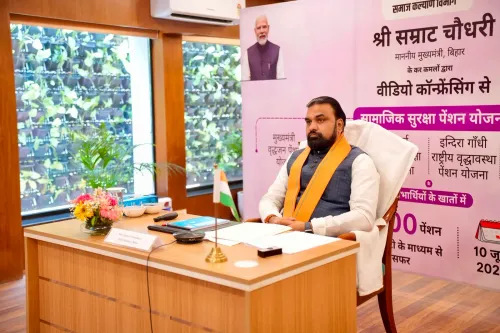
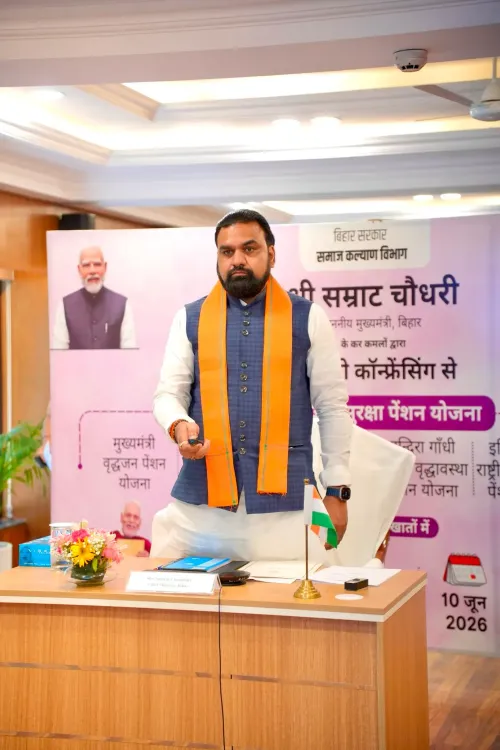
Bihar Chief Minister Samrat Choudhary disbursed ₹1,100 monthly pensions via Direct Benefit Transfer to elderly, disabled, widow and needy beneficiaries under the Social Security Pension Scheme on June 10, 2026, participating through video conferencing.
Key Takeaways
₹1,100 per month transferred to Social Security Pension Scheme beneficiaries in Bihar on June 10, 2026 .
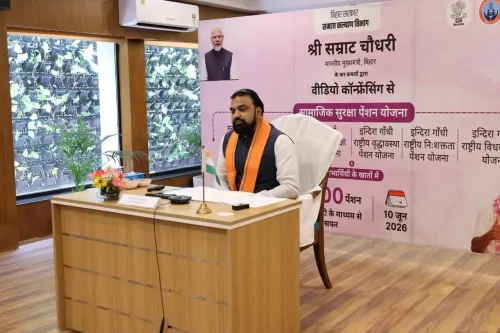
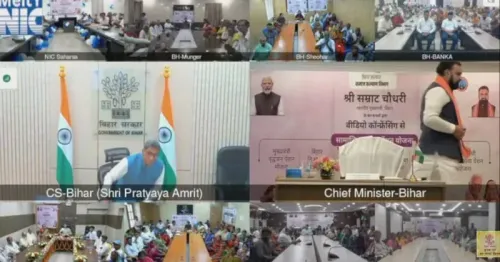
CM Samrat Choudhary presided over the disbursement event via video conferencing .
Funds routed through the Direct Benefit Transfer (DBT) platform directly into beneficiary bank accounts.
Beneficiaries include senior citizens , widows , persons with disabilities , and other needy citizens.
Bihar's approach combines central NSAP funds with a state-level top-up to extend social pension coverage.
The initiative is framed under the #समृद्ध_बिहार and #विकसित_भारत development agenda.
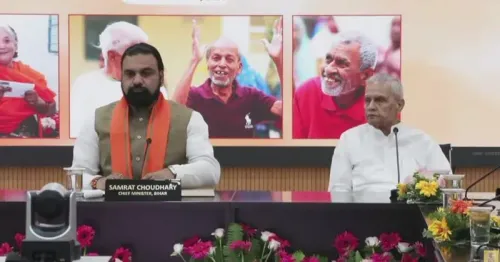
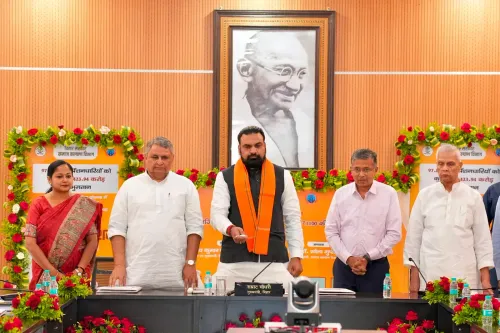
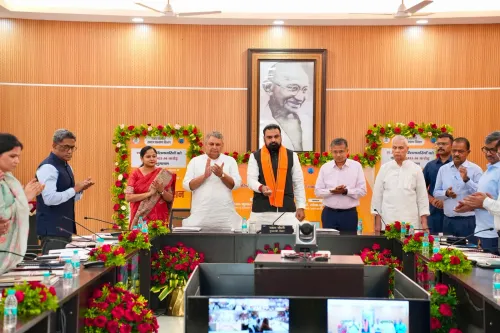
Bihar Chief Minister Samrat Choudhary on Wednesday, June 10, 2026, disbursed monthly pension amounts of ₹1,100 to beneficiaries under the Social Security Pension Scheme via the Direct Benefit Transfer (DBT) mechanism, participating in the event through video conferencing.
Context
Announcing the disbursement on X, CM Choudhary stated — 'आज वीडियो कॉन्फ्रेंसिंग के माध्यम से सामाजिक सुरक्षा पेंशन योजना के तहत लाभार्थियों के खातों में ₹1100 की पेंशन राशि डीबीटी के माध्यम से हस्तांतरित की' ['Today, through video conferencing, a pension amount of ₹1,100 was transferred via DBT into the accounts of beneficiaries under the Social Security Pension Scheme']. He described the initiative as a symbol of the Bihar government's 'sensitive and public-welfare-oriented approach' toward providing a dignified life and social security to the elderly, persons with disabilities, widows, and needy citizens.
The disbursement covers four primary categories of vulnerable citizens: senior citizens, persons with disabilities (divyangjan), widows, and other economically marginalised individuals. The use of DBT ensures funds are routed directly into beneficiary bank accounts, bypassing intermediaries.
Policy Backdrop
India's non-contributory social pension architecture traces its origins to the National Social Assistance Programme (NSAP), launched in 1995, which established central government support for elderly, widow, and disability pensions. The Indira Gandhi National Old Age Pension Scheme was revised in 2007, broadening eligibility and raising the central contribution.
The Direct Benefit Transfer platform was scaled nationally from 2013 as a structural reform to reduce leakages and eliminate middlemen in welfare delivery. Bihar, like several other states, has historically combined central NSAP funds with a state-level top-up to extend coverage, particularly in rural areas where welfare gaps are pronounced.
Across India, states have progressively raised pension amounts and accelerated the shift to DBT as a delivery standard, reflecting a broader national consensus on targeted cash transfers for vulnerable groups.
Stakeholders and Impact
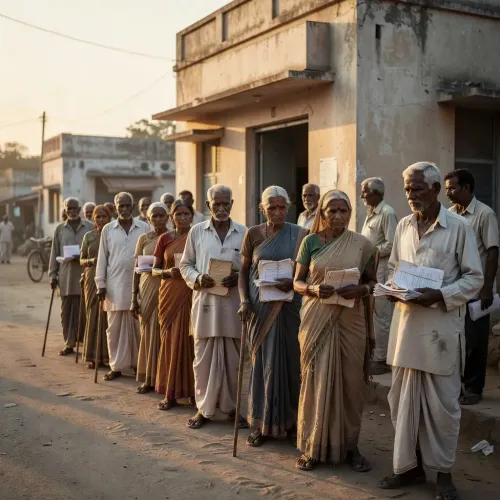
The primary beneficiaries are among Bihar's most economically vulnerable populations — senior citizens, widows, and persons with disabilities — who depend on monthly pension transfers as a critical income floor. For many in rural Bihar, this pension constitutes a significant share of household income.
The DBT mechanism, by depositing funds directly into bank accounts, reduces the risk of diversion and ensures timely delivery. State-level augmentation of central pension amounts, as reflected in the ₹1,100 figure, signals an intent to bridge the gap between the central baseline and actual subsistence costs.
What's Next
Attention will now turn to Bihar's upcoming state budget deliberations, where announcements on potential pension hikes or expanded beneficiary coverage could follow. Periodic social audit reports on DBT disbursement efficiency will also be a key measure of how effectively these transfers reach intended recipients on the ground.
The event reinforces the NDA's broader political messaging around direct welfare delivery ahead of electoral cycles, with the #विकसित_भारत ['Developed India'] and #समृद्ध_बिहार ['Prosperous Bihar'] hashtags framing the disbursement within a larger development narrative.
Point of View
A state with a large rural poor population, augmenting central pension baselines signals both fiscal commitment and competitive welfare politics. The framing under #विकसित_भारत deliberately ties a state-level action to the national NDA development narrative, reinforcing vertical political alignment ahead of future electoral cycles. The real test, however, lies in social audit outcomes — whether the ₹1,100 consistently reaches all enrolled beneficiaries without delays or exclusion errors.
NationPress
19 Sept 2026
Frequently Asked Questions
What is the Bihar Social Security Pension Scheme?
The Bihar Social Security Pension Scheme is a state welfare programme that provides monthly pensions to elderly citizens, widows, persons with disabilities, and other economically vulnerable individuals, combining central government funds under the National Social Assistance Programme with a state-level top-up.
How much pension is given under Bihar's Social Security Pension Scheme?
As announced on June 10, 2026 , beneficiaries received ₹1,100 per month transferred directly into their bank accounts via the Direct Benefit Transfer (DBT) mechanism.
What is DBT and how does it help pension beneficiaries?
Direct Benefit Transfer (DBT) is a central government platform, scaled nationally from 2013 , that routes welfare payments directly into beneficiary bank accounts, eliminating middlemen and reducing the risk of fund diversion or delay.
Who are the beneficiaries of Bihar's Social Security Pension?
The scheme covers senior citizens , widows , persons with disabilities (divyangjan) , and other needy citizens who qualify under the programme's eligibility criteria.
What is the National Social Assistance Programme (NSAP)?
The National Social Assistance Programme (NSAP) was launched by the central government in 1995 to provide non-contributory monthly pensions to elderly, widow, and disabled citizens across India , forming the backbone of state-level social pension schemes.