Tulu gets official language status in Karnataka: Minister Shobha Karandlaje welcomes move
Synopsis
Karnataka's Cabinet has unanimously granted Tulu — one of the oldest Dravidian languages — official administrative language status in Dakshina Kannada and Udupi districts, fulfilling a decades-long demand. Union Minister Shobha Karandlaje, a native Tulu speaker, called the move a historic moment for coastal Karnataka's distinct cultural and linguistic identity.
Key Takeaways
The Karnataka Cabinet unanimously approved Tulu as an additional administrative language on Friday, 18 September 2026 .
The status applies to Dakshina Kannada (Mangaluru) and Udupi districts, where Tulu is most widely spoken.
Union Minister of State Shobha Karandlaje welcomed the move, calling Tulu 'one of the oldest languages in the Dravidian family.' Chief Minister D.K.
Shivakumar said the decision fulfils a long-standing demand from Tulu-speaking communities and public representatives.
Cultural expressions tied to Tulu — including Yakshagana and traditions depicted in film Kantara — were cited as symbols of the language's distinct heritage.
Union Minister of State Shobha Karandlaje on Saturday, 19 September 2026, welcomed the Karnataka government's decision to grant Tulu the status of an additional administrative language in the state, calling it a moment of great pride for Tulu-speaking communities. The announcement follows a Cabinet decision by Chief Minister D.K. Shivakumar on Friday to formally recognise Tulu alongside Kannada in Dakshina Kannada (Mangaluru) and Udupi districts.
What Karandlaje Said
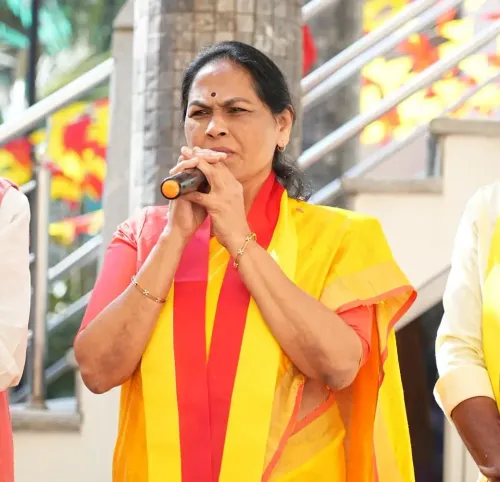
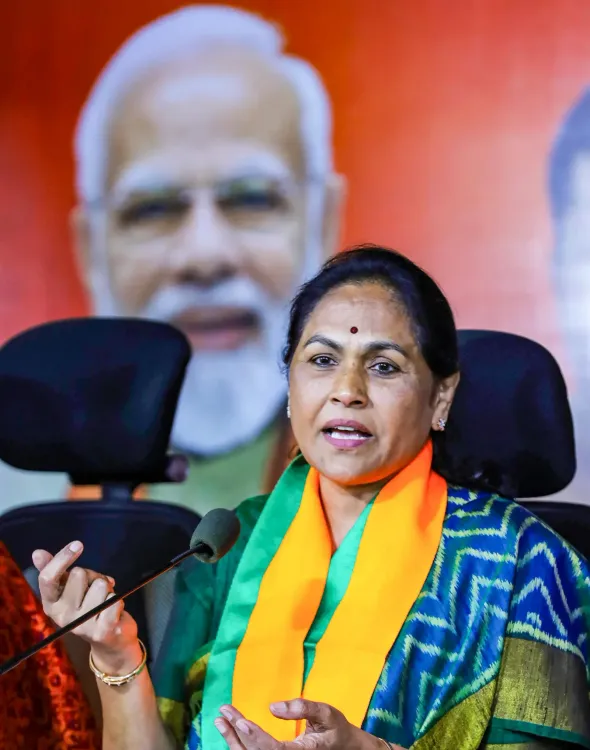
Speaking to reporters on the sidelines of the 20th Rozgar Mela in Bengaluru, Karandlaje expressed personal connect with the decision. 'My language is Tulu. I am very happy that Tulu has been made the second official language of Karnataka. We are all very happy because it is an ancient language. Tulu is one of the oldest languages in the Dravidian family,' she said.
The Union Minister also noted the linguistic influence of Tulu beyond its primary speaking region. 'Different words of the Tulu language are used in Tamil, Malayalam, Kannada, Telugu and several other languages,' she said, underlining the language's deep regional footprint despite being spoken predominantly in just two districts.
Cultural Significance of Tulu
Karandlaje drew attention to the rich cultural ecosystem that surrounds the Tulu language, referencing the Kannada-language film Kantara as a popular cultural marker. She noted that Tulu-speaking coastal communities in Karnataka maintain distinct art forms, traditions, and methods of deity worship. She also highlighted Yakshagana — the traditional theatre and dance-drama form originating from coastal Karnataka and parts of Kerala — as a celebrated expression of Tulu cultural heritage, one that gained wider national visibility through Kantara.
Cabinet Decision and Long-Standing Demand
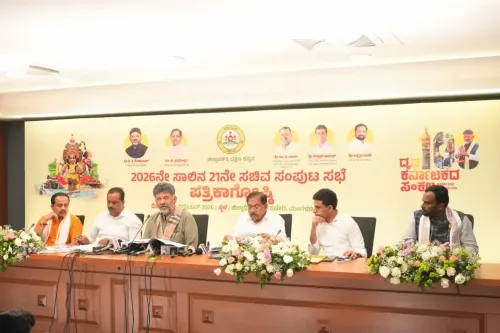
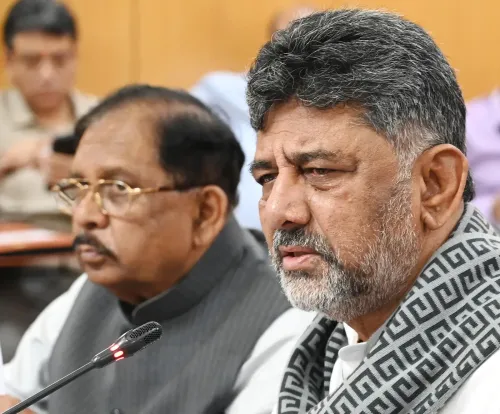
Chief Minister Shivakumar on Friday confirmed that the Karnataka Cabinet had unanimously resolved to recognise Tulu as an additional administrative language in Dakshina Kannada and Udupi districts. 'Tulu is spoken prominently in the coastal districts. We will not discuss why the previous government did not take this decision. We will not do politics based on emotions,' Shivakumar said.
The recognition, according to the Chief Minister, fulfils a long-pending demand raised by Tulu-speaking people, community organisations, and elected representatives. He added that the state government's focus remained on strengthening people's social and economic power rather than exploiting emotional or linguistic sentiments for political gain.
What This Means for Tulu Speakers
With the Cabinet's approval, Tulu will function as an additional administrative language in the two coastal districts where it is most widely spoken. This is expected to facilitate official communication, local governance, and cultural preservation efforts in the region. Tulu is recognised as one of the oldest members of the Dravidian language family, with scholars noting its distinct grammar and vocabulary that have influenced neighbouring languages over centuries.
The broader question of whether Tulu will eventually be considered for inclusion in the Eighth Schedule of the Indian Constitution — which lists officially recognised languages — is likely to resurface following this state-level recognition.
Point of View
Leaving open the larger question of Eighth Schedule inclusion, which would confer national recognition. The timing is notable: the ruling Congress government under Shivakumar has positioned this as a governance decision rather than identity politics, yet the optics of granting a long-denied demand are clearly aimed at consolidating coastal Karnataka's support. With Karandlaje — a BJP minister and native Tulu speaker — publicly applauding a Congress Cabinet decision, the move has achieved rare cross-party goodwill. Whether this state-level step builds momentum for a Central push on Eighth Schedule status will be the real test of its durability.
NationPress
19 Sept 2026
Frequently Asked Questions
What is the new official language status granted to Tulu in Karnataka?
The Karnataka Cabinet unanimously decided to recognise Tulu as an additional administrative language in Dakshina Kannada (Mangaluru) and Udupi districts, alongside Kannada. The decision fulfils a long-standing demand from Tulu-speaking communities and public representatives in coastal Karnataka.
Who is Shobha Karandlaje and why did she comment on the Tulu decision?
Shobha Karandlaje is a Union Minister of State and a native Tulu speaker from coastal Karnataka. She welcomed the Karnataka government's move at the 20th Rozgar Mela in Bengaluru, calling it a proud moment for speakers of one of the oldest Dravidian languages.
Which districts are covered under Karnataka's Tulu language recognition?
The recognition applies specifically to Dakshina Kannada (Mangaluru) and Udupi districts, the two coastal districts where Tulu is spoken most prominently.
What is the cultural significance of the Tulu language?
Tulu is considered one of the oldest members of the Dravidian language family, with distinct grammar, vocabulary, and cultural traditions including Yakshagana — a classical theatre and dance-drama form. It gained broader national visibility through the Kannada-language film Kantara, which depicted Tulu coastal culture and deity worship traditions.
Could Tulu be added to the Eighth Schedule of the Indian Constitution?
The state-level recognition may renew calls to include Tulu in the Eighth Schedule, which lists India's officially recognised languages. No such move has been formally announced yet, but advocates for the language have long pursued Central recognition beyond the state level.