CM Samrat Chaudhary transfers Rs 1,100 cr to 94 lakh Bihar pensioners
Synopsis
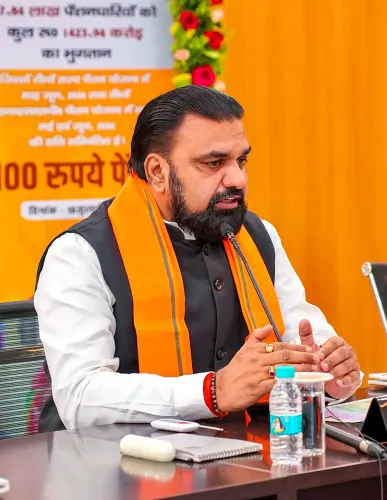
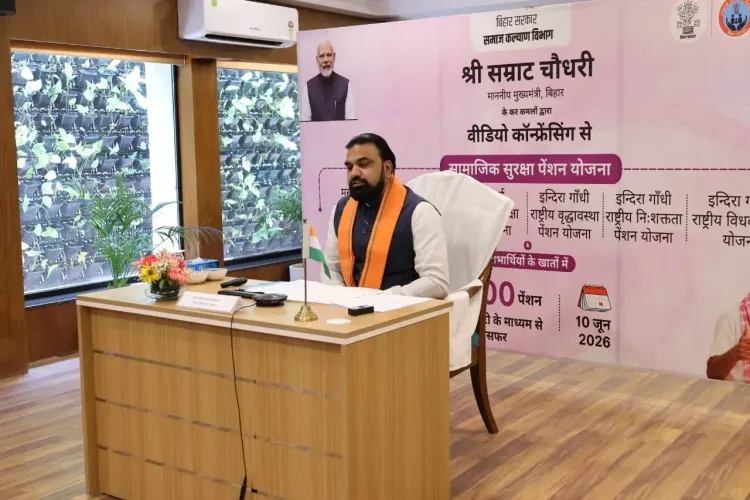
Bihar Chief Minister Samrat Chaudhary on 10 June 2026 transferred approximately Rs 1,100 crore to over 94 lakh social security pensioners at Rs 1,100 per month via a DBT programme conducted through video conferencing from Bihar Bhawan in New Delhi.
Key Takeaways
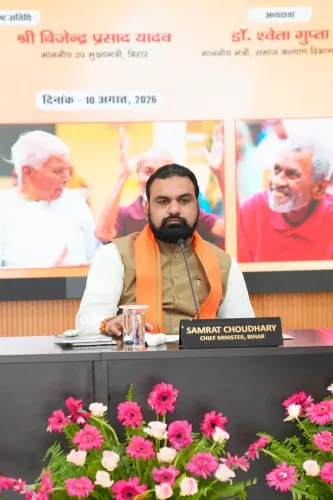
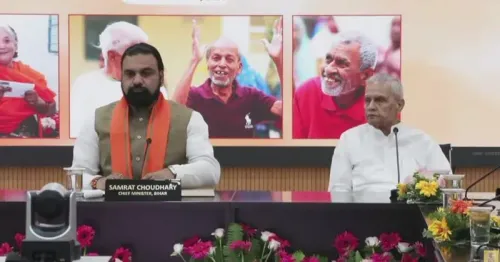
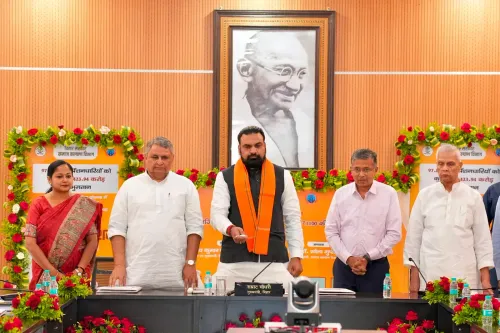
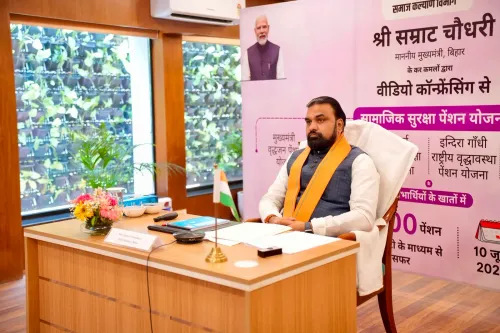
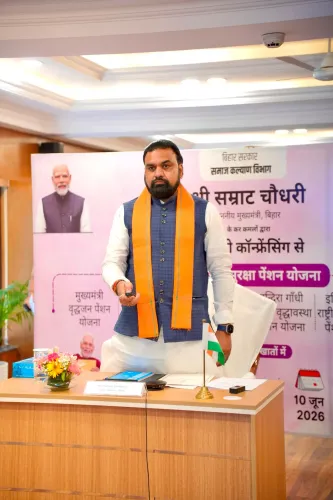
Bihar CM Samrat Chaudhary presided over the DBT event via video conferencing from Bihar Bhawan, New Delhi on 10 June 2026 .
Approximately Rs 1,100 crore was transferred in a single disbursal to over 94 lakh social security pension beneficiaries.
Each beneficiary received Rs 1,100 per month , covering elderly citizens, widows, and persons with disabilities.
The transfer was made directly into beneficiaries' bank accounts under the Direct Benefit Transfer (DBT) framework.
Bihar's pension scheme is linked to the central National Social Assistance Programme (NSAP) , integrating state and central contributions.
The Chief Minister's Office of Bihar announced on Wednesday, 10 June 2026 that Chief Minister Samrat Chaudhary disbursed approximately Rs 1,100 crore to over 94 lakh social security pensioners across the state via a Direct Benefit Transfer (DBT) programme conducted through video conferencing from Bihar Bhawan, New Delhi.
Context
The transfer was made at a rate of Rs 1,100 per month per beneficiary, covering the state's social security pension rolls in a single disbursal event. The Chief Minister participated in the programme remotely from Bihar Bhawan — the state government's official premises in the national capital — underscoring the administration's use of digital infrastructure for large-scale welfare delivery.
In Hindi, the official post described the event as a 'डी.बी.टी. कार्यक्रम' (DBT programme), with funds transferred directly into beneficiaries' bank accounts. The beneficiary base includes elderly citizens, widows, and persons with disabilities enrolled under Bihar's social security pension framework.
Policy Backdrop
The Direct Benefit Transfer framework was launched by the Government of India in 2013 to eliminate leakages in welfare payments by routing funds electronically into Aadhaar-linked bank accounts. Bihar integrated its state social security pensions with the central DBT platform in the mid-2010s under the National Social Assistance Programme (NSAP).
The NSAP provides a centrally funded floor for pensions to poor elderly, widowed, and disabled individuals, with states encouraged to top up the amount from their own budgets. Bihar's monthly pension rate of Rs 1,100 reflects the combined central and state contribution for eligible beneficiaries.
Stakeholders and Impact
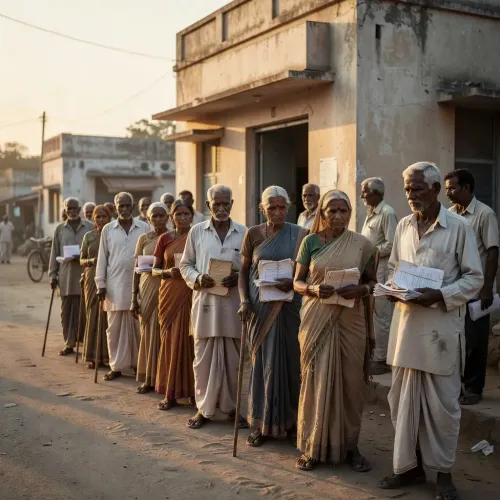
The disbursal directly benefits more than 94 lakh of Bihar's most economically vulnerable residents. For many recipients — particularly elderly women and persons with disabilities in rural Bihar — the monthly pension represents a primary or sole source of income.
Bihar's large beneficiary count reflects both the scale of poverty in the state and the administration's sustained effort to expand formal welfare coverage. Aadhaar-linked DBT transfers reduce the role of intermediaries, lowering the risk of diversion that historically plagued paper-based pension systems.
What's Next
Attention will now turn to Bihar's forthcoming budget session, where any upward revision in the monthly pension rate or an expansion of the beneficiary base would signal the government's next welfare priorities. At the central level, the performance of states under NSAP guidelines is periodically reviewed, and Bihar's high-volume DBT disbursal is likely to feature as a benchmark in those assessments.
The government's continued use of video-conferencing-based DBT events also points to a broader pattern of visible, accountable welfare delivery that the administration appears keen to sustain ahead of the state's political calendar.
Point of View
100 crore in one event — positions the Bihar government's welfare machinery as one of the largest state-level DBT operations in the country. Conducting the programme from Bihar Bhawan in New Delhi, rather than Patna, is a deliberate optic: it signals administrative continuity and central-state coordination at the highest level. The choice to publicise the event prominently fits a broader pattern among state governments of making welfare transfers visible and attributable to the incumbent leadership. Whether the pension rate of Rs 1,100 keeps pace with inflation will be the sharper test of the government's commitment to its most vulnerable constituents.
NationPress
20 Sept 2026
Frequently Asked Questions
How much money did Bihar CM Samrat Chaudhary transfer to pensioners on 10 June 2026?
Bihar CM Samrat Chaudhary transferred approximately Rs 1,100 crore to over 94 lakh social security pensioners on 10 June 2026 at a rate of Rs 1,100 per month per beneficiary.
Who are the beneficiaries of Bihar's social security pension scheme?
The beneficiaries include elderly citizens, widows, and persons with disabilities enrolled under Bihar's social security pension framework, which is linked to the central National Social Assistance Programme (NSAP).
What is DBT and how does it work for Bihar pensioners?
DBT, or Direct Benefit Transfer, is a Government of India framework launched in 2013 that routes welfare payments electronically into Aadhaar-linked bank accounts, eliminating intermediaries and reducing leakages.
Where was Bihar CM Samrat Chaudhary when he conducted the pension transfer programme?
CM Samrat Chaudhary participated via video conferencing from Bihar Bhawan , the Bihar government's official premises in New Delhi .
What is the monthly pension amount for Bihar social security pensioners in 2026?
Bihar social security pensioners receive Rs 1,100 per month , reflecting the combined central and state government contribution under the NSAP framework.