Delhi Police busts USDT crypto scam ring, five held for duping man of ₹55 lakh
Synopsis
Delhi Police has cracked a four-layer USDT cryptocurrency scam in which a Mangolpuri resident lost ₹55 lakh in a single day. The syndicate used Instagram ads, Telegram-sourced SIM cards, an Airbnb safehouse, and Trust Wallet access to execute the fraud — a blueprint that reveals just how industrialised crypto crime has become in India.
Key Takeaways
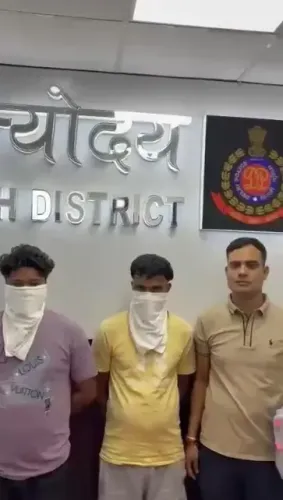
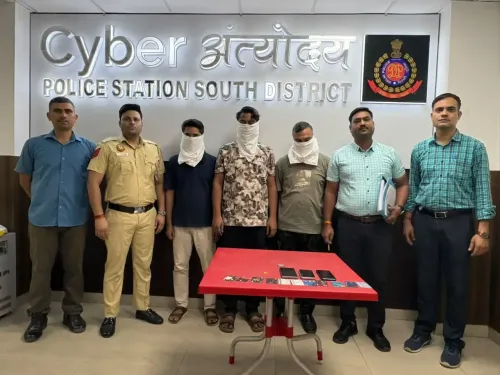
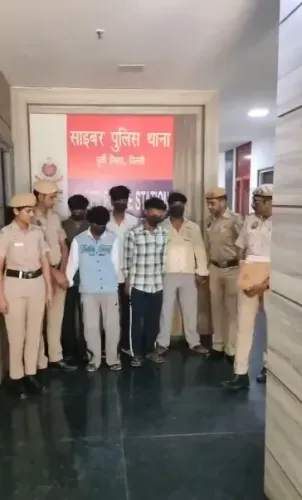
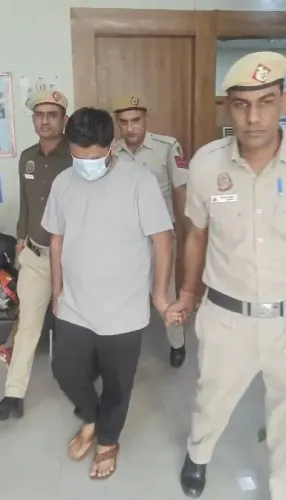
Delhi Police arrested five accused — Omprakash, Aman, Ritik Chawla, Gaurav Rana , and Saurabh alias Chhotu — for defrauding a victim of ₹55 lakh in a USDT crypto scam .
The syndicate operated through four layers : Instagram targeting, illegal SIM-based contact, in-person trust building, and Trust Wallet access misuse.
The complainant, Rahul of Mangolpuri, Delhi , lost ₹55 lakh on 4 October 2026 after a preliminary ₹36 lakh deal on 3 October was used to establish credibility.
Gaurav Rana is identified as the alleged kingpin; Ritik Chawla operated under the pseudonym Krishna Agarwal to directly lure the victim.
Recoveries include 16 mobile phones , 11 SIM cards , a vehicle, and ₹3 lakh cash ; SIM cards were sourced via a Telegram group .
The case is registered under FIR No.
0372/2026 at Amar Colony police station ; further investigation is ongoing.
Delhi Police has dismantled a multi-layered cheating syndicate that allegedly defrauded a New Delhi resident of ₹55 lakh through a fraudulent USDT (Tether) cryptocurrency investment scheme, arresting five accused operating across Delhi, Uttar Pradesh, and Haryana. The bust, carried out by the Special Staff of South-East District, is among the more elaborate crypto fraud operations cracked in the capital this year.
How the Four-Layer Scam Worked
According to police, the syndicate operated through a meticulously structured four-tier fraud mechanism. Victims were first identified and targeted through paid advertisements on Instagram. The accused then reached out using illegally procured SIM cards and international WhatsApp accounts to initiate contact.
In the third phase, gang members met victims in person — using an Airbnb property in Amar Colony as their base — to establish trust and gain access to their Trust Wallet applications. Finally, victims were induced to exchange cash for USDT, which was swiftly withdrawn from their wallets using the access the accused had already secured.
The Complainant's Account
The case was registered under FIR No. 0372/2026, dated 4 October 2026, under Sections 318(4) and 3(5) of the Bharatiya Nyaya Sanhita (BNS), following a complaint by Rahul, a resident of Mangolpuri, Delhi. Rahul alleged he was approached by someone using the pseudonym Krishna Agarwal via an Instagram advertisement, who promised substantial returns on cryptocurrency investments.
On 3 October, Rahul handed over ₹36 lakh in cash and received 36,000 USDT in his Trust Wallet. The following day, he paid an additional ₹55 lakh in exchange for 55,000 USDT. Within minutes of the second transaction, the accused withdrew the entire cryptocurrency amount using the wallet access they had obtained earlier, leaving Rahul with nothing.
Notably, to build Rahul's confidence during the initial meeting, the accused had transferred a nominal 10 USDT to his wallet and even deliberately incurred an alleged loss of around ₹1.5 lakh on the first deal to appear credible.
The Investigation and Arrests
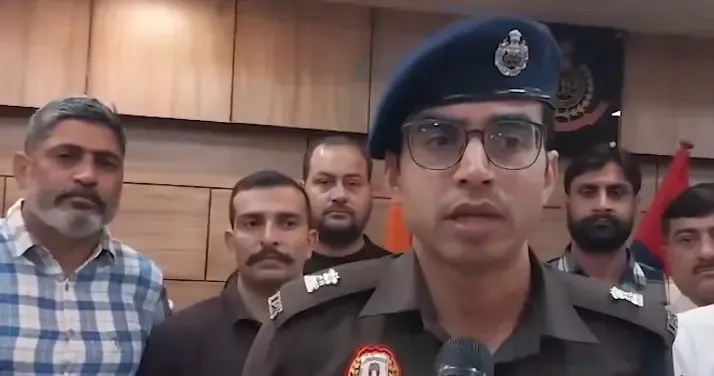
Given the gravity of the offence, a specialised team was constituted under Inspector Rajender Singh Dagar, In-charge of Special Staff, South-East District, supervised by ACP Operations V.K.P.S. Yadav and the DCP, South-East District. Investigators analysed CCTV footage, technical surveillance data, and local intelligence to map the accused.
The five arrested individuals are Omprakash, Aman, Ritik Chawla, Gaurav Rana, and Saurabh alias Chhotu. Police identified Gaurav Rana as the alleged kingpin of the syndicate. Ritik Chawla had been operating under the pseudonym Krishna Agarwal and directly lured the complainant. Aman had arranged SIM cards through Omprakash, who sourced them via a Telegram group. After collecting the ₹55 lakh cash on 4 October, Saurabh and co-accused Prashant allegedly fled on a scooter before handing the money over to Ritik in Burari.
Items Recovered
Police recovered 16 mobile phones, 11 SIM cards (including three used in the crime, three fresh SIM cards with envelopes, and one blank SIM card envelope), a vehicle allegedly used in the offence, and ₹3 lakh in cash from the accused.
Broader Context
This case reflects a rising trend of crypto-linked investment fraud in India, where scammers exploit the opacity of digital wallets and the allure of high returns to defraud victims. The use of Airbnb properties, Telegram-sourced SIM cards, and international WhatsApp numbers points to increasingly professional operational security among such syndicates. Further investigation in the case is currently underway, with police likely to pursue other associates including Shivam and Prashant, who are yet to be formally named among the arrested.
Point of View
Telegram SIM procurement, Airbnb safehouses, staged credibility trades — mirrors tactics seen in transnational scam operations, suggesting local groups are adopting globally circulating fraud templates. The deliberate ₹1.5 lakh 'loss' in the first deal to build trust is a textbook long-con technique, rarely seen in lower-sophistication fraud cases. What is missing from public discourse is a regulatory response: India still lacks a unified crypto fraud reporting mechanism, and the Trust Wallet access loophole exploited here remains unaddressed by any consumer protection framework.
NationPress
19 Nov 2026
Frequently Asked Questions
What is the Delhi USDT crypto scam that led to five arrests?
Delhi Police arrested five members of a cheating syndicate that defrauded a Mangolpuri resident named Rahul of ₹55 lakh by inducing him to invest in USDT (Tether) cryptocurrency. The accused gained access to his Trust Wallet and withdrew the funds within minutes of receiving the cash on 4 October 2026.
How did the crypto scam syndicate operate?
The syndicate used a four-layer method: targeting victims via Instagram ads, contacting them through illegally procured SIM cards and international WhatsApp accounts, meeting them in person at an Airbnb property to access their Trust Wallet, and then withdrawing deposited USDT after collecting cash. A small initial transfer was used to build the victim's confidence.
Who are the accused arrested by Delhi Police?
The five arrested accused are Omprakash, Aman, Ritik Chawla, Gaurav Rana, and Saurabh alias Chhotu. Police allege Gaurav Rana was the kingpin, while Ritik Chawla used the pseudonym Krishna Agarwal to directly lure the complainant through Instagram.
What was recovered from the accused?
Police recovered 16 mobile phones, 11 SIM cards (including three used in the crime), a vehicle used in the offence, and ₹3 lakh in cash. The SIM cards were sourced through a Telegram group, according to investigators.
Under which legal sections was the case registered?
The FIR (No. 0372/2026, dated 4 October 2026) was registered at Amar Colony police station under Sections 318(4) and 3(5) of the Bharatiya Nyaya Sanhita (BNS). Further investigation is ongoing and additional accused, including Shivam and Prashant, are yet to be formally arrested.