Delhi Police recover 71 stolen mobiles in 10 days, 45 returned to owners
Synopsis
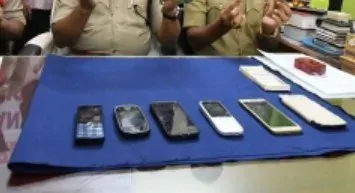
In just ten days, Delhi Police's Mobile Crack Teams swept through Parliament Street, Connaught Place, and Kartavya Path to recover 71 stolen phones — 45 already back with owners. The area-wise breakdown reveals a targeted, tech-driven operation across the capital's most high-profile corridors.
Key Takeaways
Delhi Police recovered 71 stolen mobile phones between 1 June and 10 June 2025 .
45 phones have already been returned to their rightful owners; the remaining 26 are under verification.
The highest number of recoveries — 13 devices — came from North Avenue , followed by 10 from Barakhamba Road .
Operations were led by Mobile Crack Teams using technical surveillance, field intelligence, and coordinated efforts.
The drive covered 10 areas across New Delhi District, including Parliament Street , Connaught Place , and Chanakyapuri .
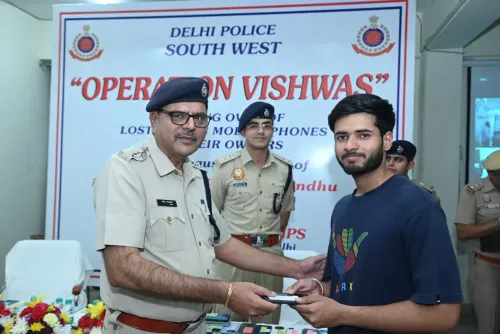
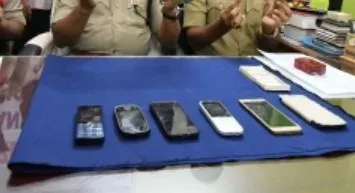
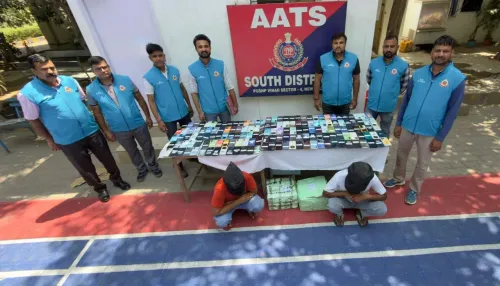
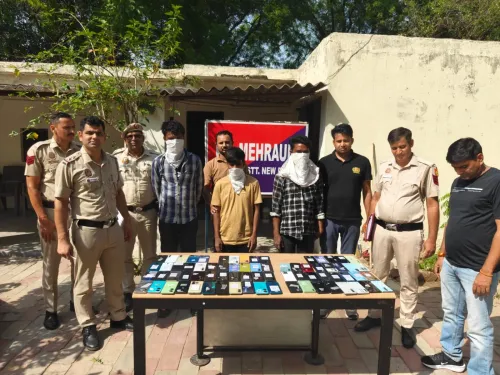
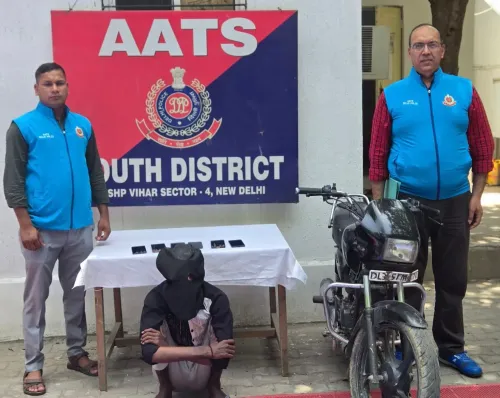
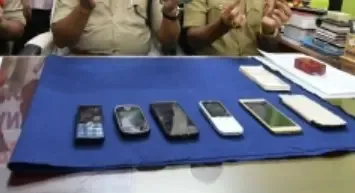
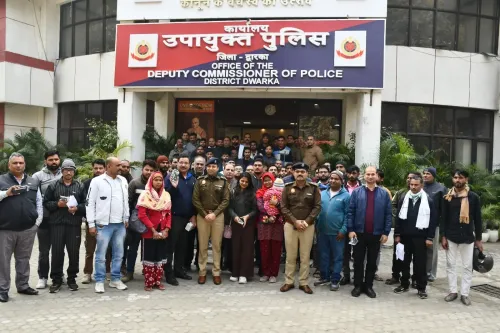
Delhi Police recovered 71 stolen mobile phones between 1 June and 10 June 2025, returning 45 of them to their rightful owners, officials announced on Friday, 12 June. The remaining devices are undergoing ownership verification before handover, according to an official statement.
How the Recovery Drive Worked
The operation was carried out by dedicated Mobile Crack Teams deployed across all police stations and special units of the New Delhi District. Teams worked under the close supervision of Station House Officers (SHOs), Inspector/Special Staff, Inspector/AATS, and ACP/Connaught Place.
Investigators leveraged technical surveillance, field intelligence, and coordinated ground operations to trace the devices. Officials described the effort as a sustained, technology-driven push aimed at grievance redressal and citizen welfare.
Area-Wise Breakdown of Recoveries
Of the 71 phones recovered, the highest concentration came from North Avenue (13 devices), followed by Barakhamba Road (10), Kartavya Path (9), and Mandir Marg (8). Five phones each were traced from South Avenue, Tughlaq Road, and Tilak Marg. Three each came from Parliament Street and Connaught Place, with two recovered from the Chanakyapuri area — a sweep that spans some of the capital's most high-footfall and diplomatically sensitive zones.
Status of Remaining Phones
The 26 devices not yet returned are currently undergoing verification and ownership confirmation. Police said all necessary legal and procedural formalities are being completed, with handovers expected at the earliest opportunity once documentation is in order.
What This Signals for Delhi Policing
Delhi has consistently ranked among Indian cities with high rates of mobile phone theft, making recovery drives like this operationally and symbolically significant. This initiative reflects a broader push within Delhi Police toward technology-assisted, citizen-centric policing. Notably, the operation covered areas surrounding Parliament and key government corridors, underscoring the strategic scope of the crackdown. How consistently such drives are sustained — rather than conducted as periodic bursts — will determine their long-term impact on deterrence.
Point of View
But the real question is whether this is a sustained system or a headline-friendly burst. Delhi's mobile theft problem is structural — high footfall, dense public transport, and low deterrence. The area-wise data is telling: North Avenue and Barakhamba Road top the list, pointing to specific theft hotspots that warrant permanent deployment, not periodic crackdowns. Until Mobile Crack Teams operate year-round with published monthly metrics, these drives risk being performance theatre rather than a durable fix.
NationPress
27 Sept 2026
Frequently Asked Questions
How many stolen mobile phones did Delhi Police recover in June 2025?
Delhi Police recovered 71 stolen mobile phones between 1 June and 10 June 2025. Of these, 45 have been returned to their owners, while the remaining 26 are undergoing verification.
Which areas in Delhi had the most phone recoveries?
North Avenue recorded the highest recoveries at 13 devices, followed by Barakhamba Road with 10 and Kartavya Path with 9. The drive covered 10 areas across New Delhi District in total.
How did Delhi Police trace the stolen phones?
The Mobile Crack Teams used technical surveillance, field intelligence, and coordinated ground operations. The drive was supervised by SHOs, Inspector/Special Staff, Inspector/AATS, and ACP/Connaught Place.
What happens to the phones that have not yet been returned?
The remaining 26 recovered phones are currently undergoing ownership verification and legal formalities. Police say they will be handed over to rightful owners as soon as the process is complete.
What is the Mobile Crack Team in Delhi Police?
Mobile Crack Teams are dedicated units deployed across Delhi Police stations and special units tasked with tracing and recovering lost and stolen mobile phones. They operate using technical tools and field intelligence under the New Delhi District command.