Delhi Police bust Bangladesh mobile trafficking ring, recover 163 stolen phones
Synopsis
Delhi Police's Anti-Auto Theft Squad cracked an alleged cross-border mobile phone trafficking ring stretching from Delhi's streets to Bangladesh's grey markets — recovering 163 stolen handsets in a single operation. The bust exposed how courier networks are being exploited to move stolen devices across multiple state lines and an international border.
Key Takeaways
Delhi Police busted an alleged international mobile trafficking syndicate linked to Bangladesh on 19 May .
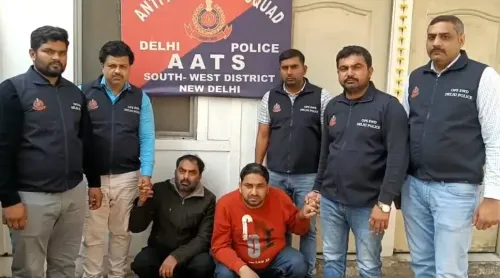
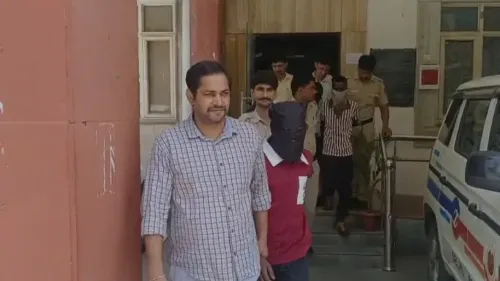
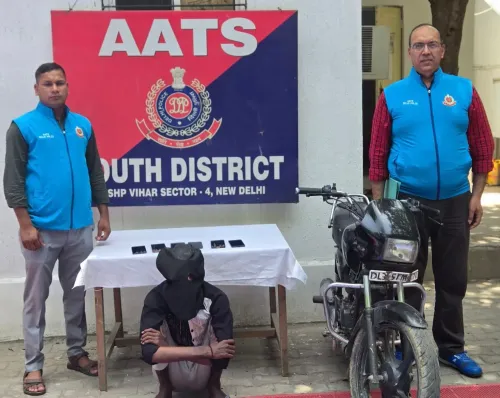
Two accused — Abdul Samim , 23, and Ahidujjaman , 35, both from Malda district, West Bengal — were arrested from Okhla Vihar .
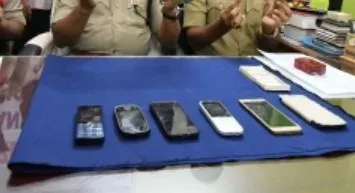
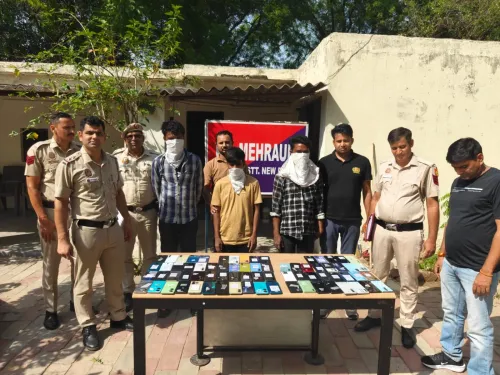
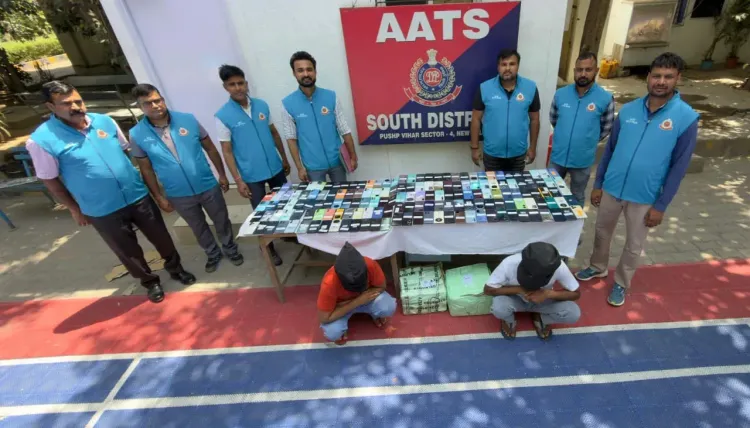
A total of 163 stolen mobile phones were recovered: 5 from the accused and 158 from a Gurugram warehouse.
Stolen phones were allegedly routed from Delhi-NCR to West Bengal via courier and then trafficked into Bangladesh for grey-market disposal.
Recovered devices are linked to cases across 10 Delhi police stations ; LR entries from Haryana , Rajasthan , and Jammu and Kashmir are also under examination.
Operation led by Inspector Umesh Yadav under Additional DCP (Operations) Arvind Kumar .
Delhi Police's South District unit has dismantled an alleged international mobile phone trafficking syndicate with links to Bangladesh, arresting two key operatives from West Bengal and recovering 163 stolen mobile phones in a coordinated interstate operation. The breakthrough, executed on 19 May, marks one of the larger cross-border phone trafficking busts in the national capital region in recent memory.
How the Operation Unfolded
The Anti-Auto Theft Squad (AATS) of South District received specific intelligence on 19 May about two individuals transporting stolen handsets from Delhi-NCR to Bangladesh via West Bengal. Acting swiftly, the team raided Okhla Vihar and apprehended Abdul Samim, 23, and Ahidujjaman, 35 — both residents of Malda district, West Bengal. Five stolen phones linked to separate Delhi e-FIRs were recovered from their possession at the time of arrest.
The Gurugram Warehouse Intercept
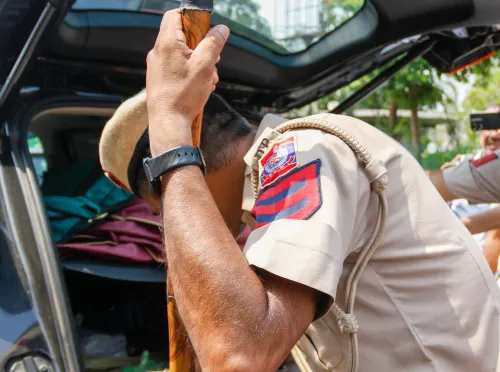
Sustained interrogation of the two accused revealed that a large consignment of stolen phones had already been dispatched to West Bengal through courier channels. Acting on disclosures and technical inputs, police coordinated with local officials and intercepted suspicious parcels at a warehouse in Gurugram, recovering an additional 158 stolen mobile phones. Seized along with the devices were courier consignments, packaging material, courier slips, invoices, and other incriminating articles.
The Syndicate's Alleged Route
According to police, the network operated by purchasing stolen and snatched handsets from criminals active across Delhi-NCR, routing them to West Bengal through courier services, and then allegedly trafficking the devices into Bangladesh for disposal in grey markets. The recovered phones have been linked to theft and snatching cases registered at police stations including Delhi Cantt, Patel Nagar, New Delhi Railway Station, Kotwali, Kirti Nagar, Hauz Kazi, Palam, Kashmiri Gate, Civil Lines, and Daryaganj. Loss report entries from Delhi, Haryana, Rajasthan, and Jammu and Kashmir are also being examined to establish further connections.
Investigation Status and Key Officers
The operation was led by Inspector Umesh Yadav under the supervision of Additional DCP (Operations) Arvind Kumar. Officials confirmed that further investigation is underway to trace both backward and forward linkages of the syndicate across Delhi-NCR, West Bengal, and Bangladesh. Efforts are also ongoing to unlock and identify ownership of the remaining recovered devices. This comes amid growing concern over organised mobile phone theft networks that exploit porous courier logistics to move stolen goods across state and international borders.
Point of View
In aggregate, into crores of rupees. The use of mainstream courier infrastructure to move stolen goods across state lines and into Bangladesh suggests the syndicate had operational sophistication well beyond street-level snatching. The fact that loss report entries span four states points to a network far wider than two arrests can account for. Whether Delhi Police's investigation reaches the buyers and financiers in Bangladesh — rather than stopping at the couriers — will determine whether this is a genuine disruption or a headline seizure.
NationPress
26 Sept 2026
Frequently Asked Questions
What did Delhi Police recover in the Bangladesh mobile trafficking bust?
Delhi Police recovered 163 stolen mobile phones in total — 5 from the two arrested accused at Okhla Vihar and 158 from a warehouse in Gurugram. Courier slips, packaging material, invoices, and other incriminating articles were also seized.
Who were the two accused arrested in the operation?
The two accused are Abdul Samim , 23, and Ahidujjaman , 35, both residents of Malda district in West Bengal. They were arrested from Okhla Vihar in Delhi on 19 May by the Anti-Auto Theft Squad of South District.
How did the alleged syndicate operate?
According to police, the network purchased stolen and snatched phones from criminals in Delhi-NCR, shipped them to West Bengal through courier services, and then allegedly trafficked the devices into Bangladesh for sale in grey markets.
Which Delhi police stations are linked to the recovered phones?
The recovered phones have been connected to theft and snatching cases at Delhi Cantt, Patel Nagar, New Delhi Railway Station, Kotwali, Kirti Nagar, Hauz Kazi, Palam, Kashmiri Gate, Civil Lines, and Daryaganj, among others. Loss report entries from Haryana, Rajasthan, and Jammu and Kashmir are also under examination.
Is the investigation still ongoing?
Yes. Officials confirmed that further investigation is underway to trace both backward and forward linkages of the syndicate across Delhi-NCR, West Bengal, and Bangladesh. Efforts are also ongoing to unlock and identify ownership of the remaining recovered devices.