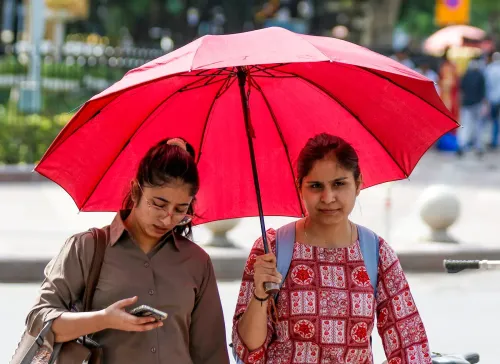
Delhi rain breaks heat on July 20; IMD yellow alert for next 48 hours

Synopsis
Delhi's heat broke on 20 July as moderate rain arrived — but the bigger picture is sobering. India's monsoon deficit has widened to 24 per cent, with only 244.6 mm received against a normal of 323.1 mm. The IMD's 'break monsoon' explanation is technically accurate, but for farmers on the Gangetic plains, a prolonged trough shift means a delayed kharif season and rising water stress.
Key Takeaways
Moderate rainfall hit New Delhi on 20 July , ending days of intense heat and humidity.
IMD has issued a yellow alert for Delhi, forecasting light to moderate showers with thunderstorms over the next two days .
Delhi's maximum temperature on Sunday was 38.3°C — three degrees above seasonal average; minimum was 31°C , four degrees above normal.
The southwest monsoon is set for a revival starting over Northeast India , gradually extending to central and northern regions.
India's cumulative monsoon rainfall stands at 244.6 mm against a normal of 323.1 mm — a deficit of 24 per cent .
The shortfall is attributed to a 'break monsoon' phase, during which the monsoon trough shifts northwards, reducing rainfall over Central India.
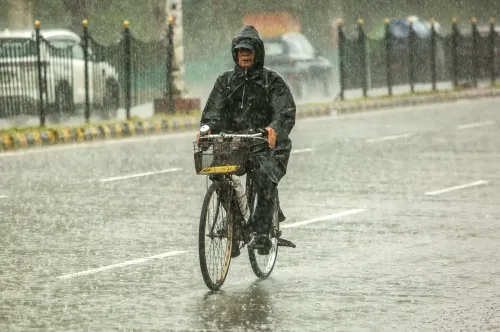
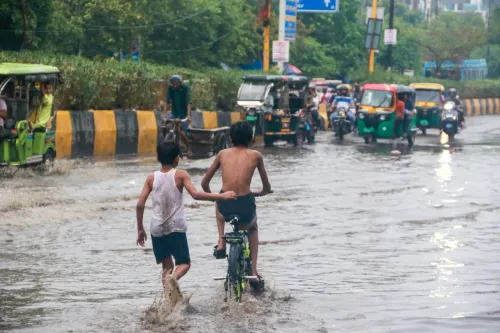
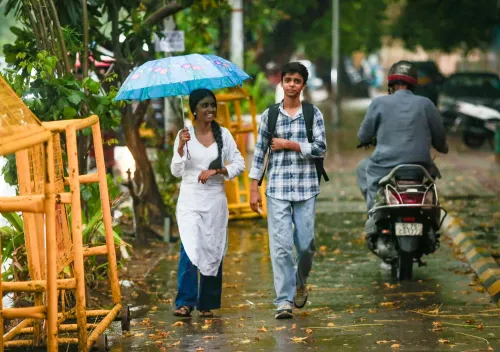
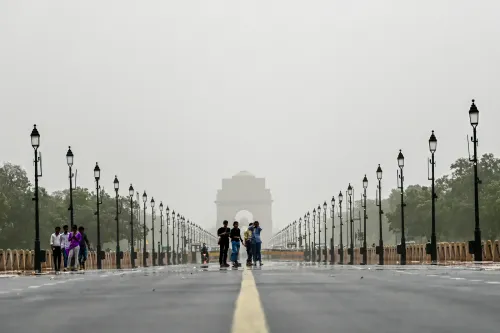
Moderate rainfall swept across several parts of New Delhi on Monday, 20 July, snapping a prolonged stretch of hot and humid weather that had gripped the national capital for days. The India Meteorological Department (IMD) has issued a yellow alert for the city, forecasting light to moderate showers with thunderstorms at isolated locations over the next two days.
Temperature Relief After Days of Intense Heat
The maximum temperature in Delhi is expected to ease to between 32°C and 35°C over the coming days, with the minimum likely to settle between 26°C and 28°C. This marks a notable drop from Sunday's peak of 38.3°C — a reading that was three degrees above the seasonal average. The minimum on Sunday had touched 31°C, roughly four degrees above normal, underscoring the severity of the pre-monsoon heat buildup.
Southwest Monsoon Revival After Prolonged Lull
The IMD has indicated that the southwest monsoon is poised for a significant revival following a prolonged lull. Renewed monsoon activity is expected to begin over Northeast India before gradually extending into eastern, central, and northern parts of the country during the early part of the week. Meteorologists have forecast widespread rainfall accompanied by thunderstorms across several regions, with heavy showers likely at isolated locations.
This comes amid what the IMD describes as a 'break monsoon' phase — a recurring seasonal phenomenon during which the monsoon trough shifts northwards, significantly reducing rainfall over Central India and the adjoining plains. The current spell is expected to provide the first substantial relief of the month for the Gangetic plains and parts of Central India, which have endured prolonged hot and humid conditions.
National Rainfall Deficit Stands at 24 Per Cent
According to IMD data, the country has so far received 244.6 mm of rainfall against a normal average of 323.1 mm for this period, resulting in an overall deficit of 24 per cent. The figure highlights the scale of the monsoon shortfall even as the latest revival offers a measure of respite. Notably, changing monsoon conditions across northern India are expected to bring intermittent cloud cover and scattered showers in the days ahead.
What to Watch
The pace at which the monsoon revival extends from the northeast into central and northern India will be closely tracked by both meteorologists and farmers dependent on kharif sowing. A sustained recovery could help narrow the 24 per cent national deficit, but forecasters have stopped short of predicting a full correction in the near term.
Point of View
But they do not resolve a 24 per cent national monsoon deficit that has been building through July. The 'break monsoon' framing is meteorologically sound, but it obscures a harder reality: the Gangetic plains and Central India have missed critical sowing-season rainfall. If the southwest monsoon revival stalls after the northeast, the deficit will compound. Policymakers should be watching reservoir levels and kharif acreage data as closely as the IMD's daily bulletins.
NationPress
20 Oct 2026
Frequently Asked Questions
What is the IMD yellow alert issued for Delhi on 20 July?
The IMD yellow alert indicates the possibility of light to moderate rainfall accompanied by thunderstorms at isolated locations in Delhi over the next two days. It is an advisory-level warning urging residents to stay informed and exercise caution during outdoor activities.
How much did temperatures drop after the Delhi rain on 20 July?
After the rainfall, maximum temperatures in Delhi are expected to range between 32°C and 35°C, down from Sunday's peak of 38.3°C, which was three degrees above the seasonal average. Minimum temperatures are forecast to ease to between 26°C and 28°C.
What is a 'break monsoon' phase?
A break monsoon is a recurring phenomenon during which the monsoon trough shifts northwards, significantly reducing rainfall over Central India and the adjoining plains. During this phase, rainfall activity concentrates near the Himalayas and Northeast India while the heartland experiences dry, humid conditions.
What is India's current monsoon rainfall deficit?
According to IMD data, India has received 244.6 mm of rainfall against a normal average of 323.1 mm, resulting in a national deficit of 24 per cent as of 20 July.
When will the southwest monsoon revival reach northern India?
The IMD expects the monsoon revival to begin over Northeast India first, before gradually extending into eastern, central, and northern parts of the country during the early part of the week of 20 July.