Delhi-NCR heatwave: IMD forecasts rain, monsoon likely by July 4
Synopsis
Delhi just recorded its warmest June morning in nearly two years — a heat index of 51.3°C tells the real story. With Skymet pegging monsoon arrival around 4 July and the IMD flagging heatwave warnings even as rains advance, North India is caught in a narrow, punishing window between a departing heat spell and a delayed seasonal reprieve.
Key Takeaways
Delhi recorded a minimum temperature of 31.1°C on 29 June — the highest in nearly two years and 3.2°C above the seasonal average.
The heat index (feels-like temperature) touched 51.3°C on Sunday due to humidity levels between 35 and 63 per cent .
IMD forecasts thunderstorms and gusty winds for Delhi-NCR as monsoon conditions become more favourable over North India in the next 5–6 days .
Skymet predicts the southwest monsoon may reach Delhi around 4 July , subject to favourable atmospheric conditions.
Prayagraj recorded 43.4°C and Lucknow hit 39.7°C — 3.6°C above normal — as heat gripped Uttar Pradesh .
The IMD has separately warned of heatwave conditions in parts of Uttar Pradesh on 28 and 29 July .
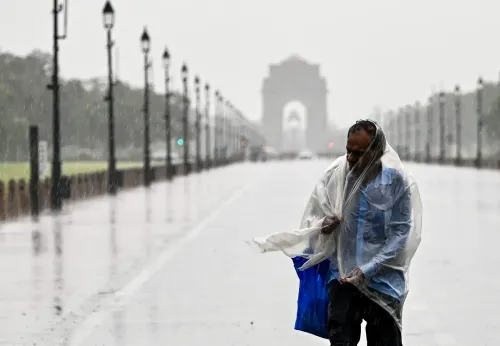
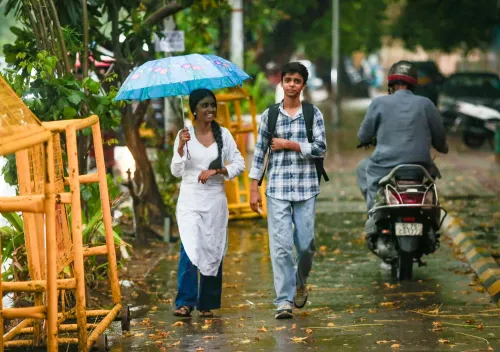
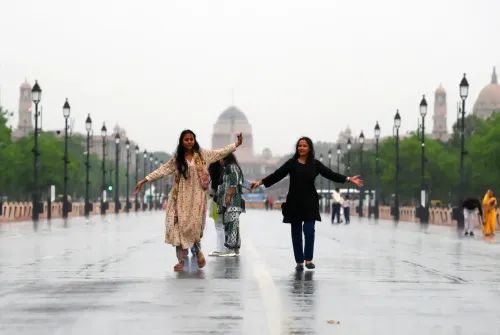
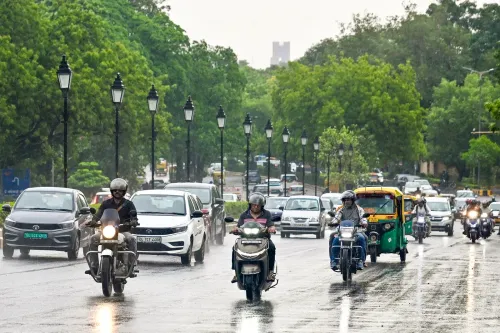
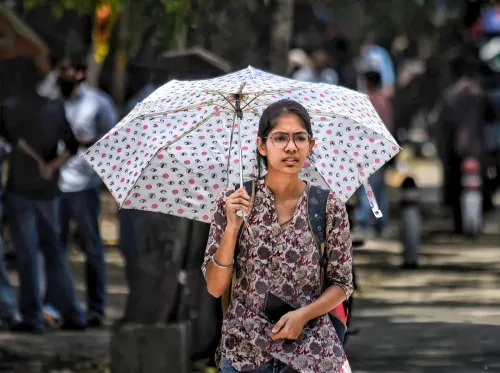
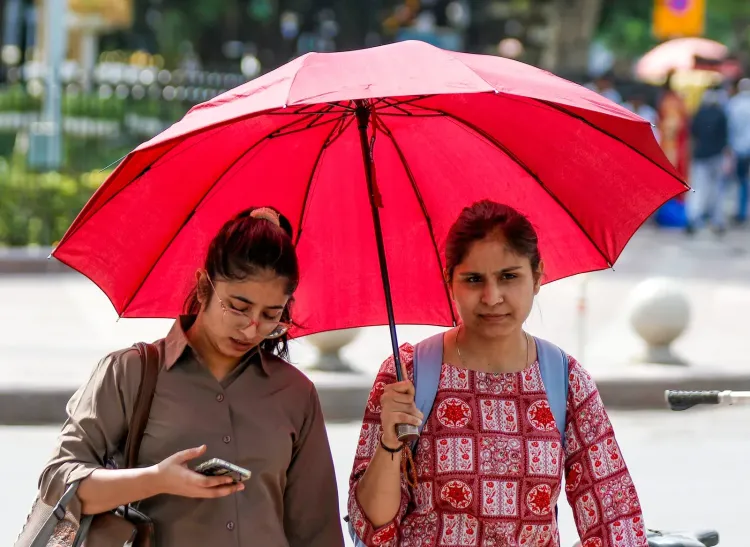
Delhi-NCR endured warm and humid conditions on Monday, 29 June, with residents bracing through the delayed arrival of the southwest monsoon as the India Meteorological Department (IMD) forecast thunderstorms, gusty winds, and spells of rain for the national capital region in the coming days. The city recorded its warmest morning in nearly two years, compounding an already oppressive heat spell.
Record-Breaking Temperatures
Delhi's minimum temperature settled at 31.1 degrees Celsius on Monday — 3.2 degrees above the seasonal average and the highest since 14 June 2024, when it had touched 33.3 degrees Celsius. The maximum temperature climbed to 41.8 degrees Celsius, intensifying discomfort across the city.
On Sunday, the actual maximum was recorded at 41.3 degrees Celsius, roughly 4.1 degrees above normal. The 'feels-like' temperature, or heat index, hit 51.3 degrees Celsius — a figure driven less by air temperature alone and more by persistent, suffocating humidity.
Why It Feels So Much Hotter
Meteorologists attributed the extreme discomfort to a high wet-bulb temperature of 29.77 degrees Celsius, combined with humidity levels ranging between 35 and 63 per cent throughout the day. These conditions impair the body's ability to cool itself through perspiration, making the weather feel significantly more oppressive than thermometer readings alone suggest.
On Sunday evening, the heat index was estimated at around 50.7 degrees Celsius. The IMD has warned that humidity is expected to remain elevated over the next several days, sustaining hot and uncomfortable conditions in Delhi until the monsoon establishes itself.
Monsoon Advance and IMD Forecast
The IMD on Sunday said atmospheric conditions are becoming increasingly favourable for the further advance of the southwest monsoon across several parts of North India over the next five to six days. The rain-bearing system is expected to progress into more parts of Uttar Pradesh and Uttarakhand within two to three days, before extending into additional areas of those states along with parts of Himachal Pradesh, Jammu and Kashmir, Ladakh, and southeast Rajasthan in the subsequent two to three days.
Private weather forecasting agency Skymet has predicted that the southwest monsoon may reach Delhi around 4 July, provided current atmospheric conditions remain favourable. Despite the anticipated advance, the IMD has also issued a warning for heatwave conditions, with severe heat likely to persist over parts of Uttar Pradesh on 28 and 29 July.
Conditions Across the Region
The heat was not confined to Delhi. Prayagraj in Uttar Pradesh recorded a maximum temperature of 43.4 degrees Celsius, while Lucknow registered 39.7 degrees Celsius — 3.6 degrees above normal. The weather office has forecast isolated heatwave conditions and thunderstorms accompanied by lightning and gusty winds in parts of eastern Uttar Pradesh over the next 24 hours.
As the monsoon inches closer, residents across Delhi-NCR and the broader North Indian plains will be watching the skies closely — with the next few days potentially marking a decisive shift in the season's fortunes.
Point of View
Particularly for outdoor workers and the elderly, yet city-level heat action plans remain poorly enforced. The monsoon's delayed arrival is part of a recurring pattern over recent years, and Skymet's 4 July estimate, if it holds, would still place this among the later arrivals in the past decade. The real question policymakers must answer is not when the monsoon comes, but how urban infrastructure — water supply, power grids, health facilities — holds up in the days before it does.
NationPress
27 Sept 2026
Frequently Asked Questions
When will the monsoon reach Delhi in 2025?
Private forecaster Skymet has predicted that the southwest monsoon may reach Delhi around 4 July 2025, provided current atmospheric conditions remain favourable. The IMD has indicated that monsoon conditions are becoming more favourable over North India over the next five to six days.
What was Delhi's temperature on 29 June 2025?
Delhi recorded a minimum temperature of 31.1 degrees Celsius on 29 June — 3.2 degrees above the seasonal average and the highest since 14 June 2024. The maximum temperature reached 41.8 degrees Celsius, with the heat index touching 51.3 degrees Celsius due to high humidity.
Why does Delhi feel hotter than the actual temperature?
The 'feels-like' or heat index temperature is driven by a combination of high air temperature and elevated humidity. A wet-bulb temperature of 29.77 degrees Celsius and humidity ranging between 35 and 63 per cent reduce the body's ability to cool itself through sweating, making conditions feel far more oppressive than the thermometer reading alone.
Which parts of North India will receive rain in the next few days?
The IMD has forecast that the monsoon will advance into more parts of Uttar Pradesh and Uttarakhand within two to three days, followed by Himachal Pradesh, Jammu and Kashmir, Ladakh, and southeast Rajasthan in the subsequent two to three days. Delhi-NCR is also expected to see thunderstorms and gusty winds.
Are heatwave warnings still in effect despite the monsoon advancing?
Yes. Despite the anticipated monsoon advance, the IMD has issued heatwave warnings for parts of Uttar Pradesh on 28 and 29 July. The department also warns that humidity will remain high over Delhi in the coming days, sustaining uncomfortable conditions until the monsoon fully establishes itself.