Delhi Speaker Vijender Gupta at Rohini blood drive: 'Donation is service to nation'
Synopsis
Over 1,000 donors showed up within hours at a Rohini blood camp tribute to the Indian Armed Forces, with Delhi Assembly Speaker Vijender Gupta calling blood donation 'the greatest service to the nation.' Spearheaded by the 'Blood Man of Delhi' Vipin Garg, the drive united 50-plus NGOs from 20 states and nine hospitals — targeting 3,100 units in a single day.
Key Takeaways
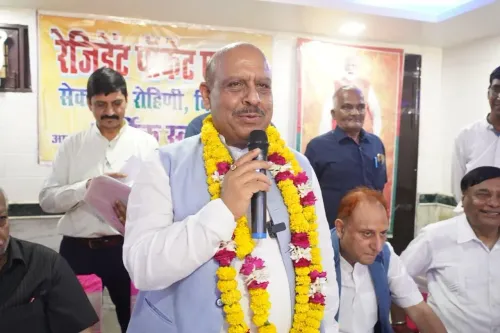
Delhi Assembly Speaker Vijender Gupta addressed a blood donation camp at Japanese Park, Rohini Sector-10 on 2 August .
The camp, organised by the Lakshmi Taru Foundation , targeted 3,100 units of blood as a tribute to the Indian Armed Forces under the motto 'Ek Boond – Desh Ke Liye' .
More than 1,000 individuals donated blood within the opening hours of the drive.
Social worker Vipin Garg , known as the 'Blood Man of Delhi' , led the effort, mobilising over 50 NGOs from more than 20 states .
The drive was coordinated with nine hospitals and featured dedicated donation centres for Army personnel.
Speaker Gupta clarified that healthy individuals can safely donate blood every three months , urging wider public participation.
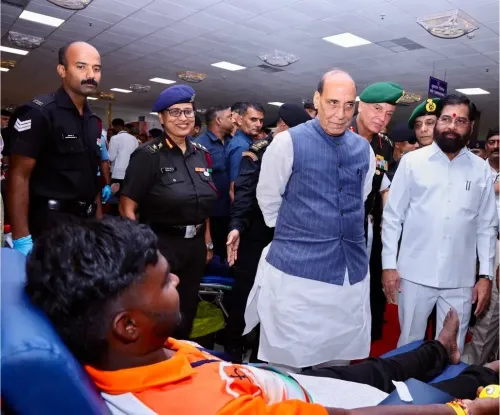
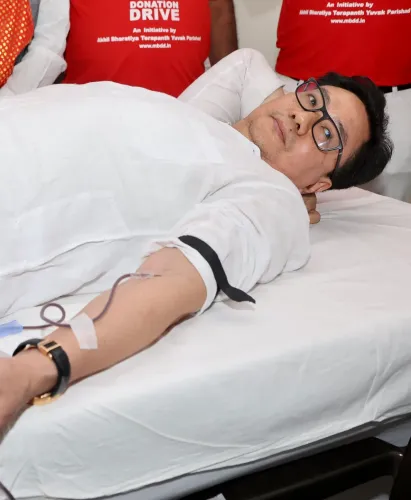
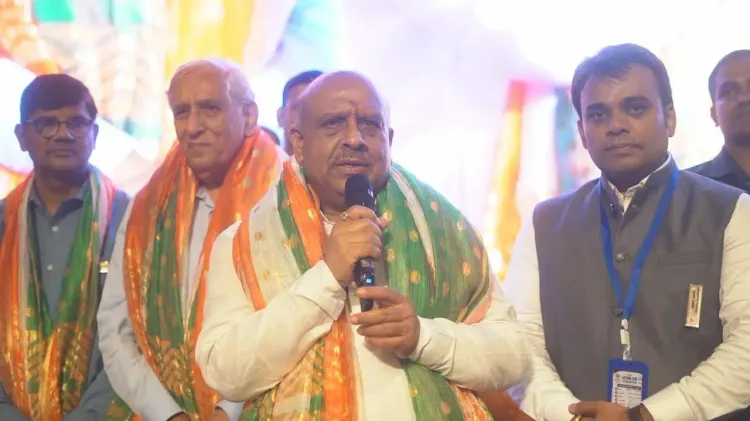
Delhi Assembly Speaker Vijender Gupta on Sunday, 2 August attended a large-scale blood donation camp in Rohini's Sector-10, calling blood donation 'the greatest service to the nation' and urging citizens to shed hesitation and donate regularly. The event, held at JMD Tent in Japanese Park, was organised by the Lakshmi Taru Foundation and drew participants from across the country.
Key Developments at the Camp
The drive was conducted under the motto 'Ek Boond – Desh Ke Liye' (One Drop – For the Nation) as a tribute to the Indian Armed Forces. Coordinated with nine leading hospitals, the camp set an ambitious target of collecting 3,100 units of blood and featured dedicated donation centres specifically tailored for Army personnel. More than 1,000 individuals donated blood within the opening hours alone, with donor management and logistics running smoothly throughout the day.
What Speaker Gupta Said
Addressing the gathering, Speaker Gupta said: 'No factory can manufacture blood and no wealth can create it — its only source is humanity itself. That is why blood donation is the greatest service to nation.' He expressed gratitude to military personnel and senior officers present, noting that blood donated at such drives could one day save the life of a soldier defending India's borders. He also emphasised that the Indian Army remains the foremost reason for the respect India commands internationally.
The Man Behind the Drive
The camp was spearheaded by social worker Vipin Garg, widely recognised as the 'Blood Man of Delhi'. His sustained advocacy mobilised over 50 NGOs and volunteers from more than 20 states across India to participate in what organisers described as a massive humanitarian effort. The scale of participation underscored the growing momentum of community-driven blood donation initiatives in the capital.
Busting Myths Around Blood Donation
Speaker Gupta took the opportunity to address common misconceptions, clarifying that donating blood does not weaken the body, as it naturally replenishes itself within a short period. He reminded the audience that medical science permits healthy individuals to donate safely every three months. He stressed the urgent need for broader public awareness so that families facing medical emergencies are not left scrambling due to hesitation or misinformation.
Broader Significance
Blood shortages remain a persistent challenge in India's healthcare system, particularly during emergencies and for patients requiring regular transfusions. Community-led drives of this scale — uniting NGOs, hospitals, and volunteers across state lines — represent a model that health authorities have increasingly sought to replicate. With the drive's armed-forces tribute framing, organisers also aimed to deepen the public's emotional connection to the act of donation. The camp's outcomes are expected to be shared with partner hospitals in the coming days.
Point of View
With over a thousand donors in the first few hours alone. What stands out is the organisational spine: 50-plus NGOs, 20 states, nine hospitals, all coordinated by a single civil-society figure. That is a logistics model the health ministry should study. India's voluntary blood donation rate still lags WHO benchmarks, and awareness gaps — particularly around the safety of donating every three months — remain the primary barrier. Political endorsement from a Speaker carries symbolic weight, but the real story here is Vipin Garg's network, which has quietly built cross-state mobilisation capacity that most government campaigns cannot match.
NationPress
17 Sept 2026
Frequently Asked Questions
What was the 'Ek Boond – Desh Ke Liye' blood donation camp in Rohini?
It was a large-scale blood donation drive organised by the Lakshmi Taru Foundation at Japanese Park, Rohini Sector-10, on 2 August, as a tribute to the Indian Armed Forces. The camp targeted 3,100 units of blood and was coordinated with nine hospitals, with dedicated centres for Army personnel.
Who is Vipin Garg, the 'Blood Man of Delhi'?
Vipin Garg is a Delhi-based social worker widely known as the 'Blood Man of Delhi' for his sustained advocacy around voluntary blood donation. He spearheaded this camp, mobilising over 50 NGOs and volunteers from more than 20 states across India.
How many people donated blood at the Rohini camp?
More than 1,000 individuals donated blood within the opening hours of the camp alone. The overall target for the day was set at 3,100 units of blood.
Is it safe to donate blood regularly?
Yes. Delhi Assembly Speaker Vijender Gupta, echoing medical guidance, clarified at the camp that blood donation does not weaken the body, as it replenishes naturally within a short period. Medical science permits healthy adults to donate safely once every three months.
Why did Delhi Assembly Speaker Vijender Gupta attend the blood donation camp?
Speaker Gupta attended to encourage public participation and address misconceptions about blood donation. He also paid tribute to the Indian Armed Forces, noting that blood donated at such drives could one day save the life of a soldier defending India's borders.