CM Rekha Gupta Urges Delhi to Pledge Regular Blood Donation
Synopsis
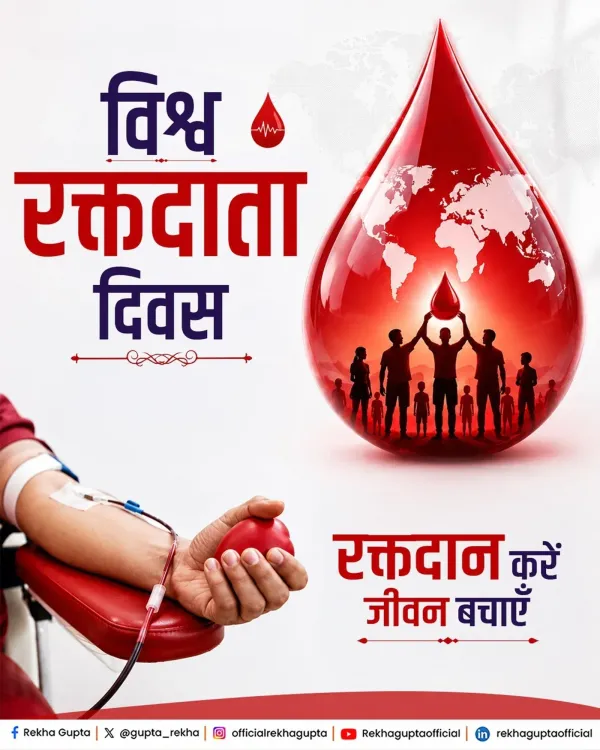
On World Blood Donor Day, 14 June 2026, Delhi Chief Minister Rekha Gupta praised voluntary blood donors and urged Delhi's youth and citizens to commit to regular blood donation, saying even a small effort can save a life.
Key Takeaways
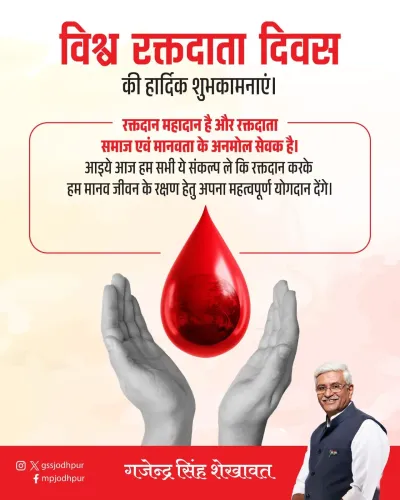
Delhi Chief Minister Rekha Gupta posted an appeal on World Blood Donor Day, 14 June 2026 , praising voluntary blood donors.
She specifically called on Delhi's youth to pledge regular blood donation, not just a one-time act.
World Blood Donor Day is observed globally on 14 June every year to promote voluntary, unpaid blood donation.
India has run a National Voluntary Blood Donation Day on 1 October since 2007 through the National Blood Transfusion Council .
Delhi's blood banks serve high volumes of trauma and surgical patients and face recurring stock shortages during peak periods.
Follow-up donation camps by the Delhi government health department are anticipated in the days ahead.
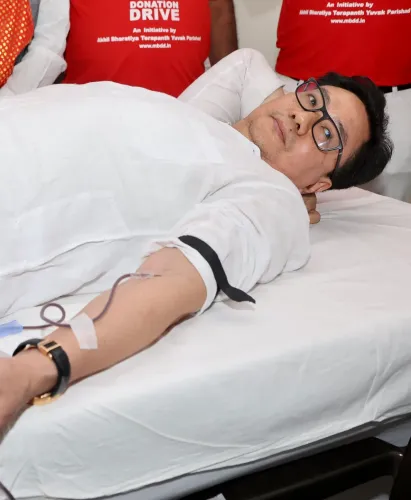
Delhi Chief Minister Rekha Gupta on Sunday, 14 June 2026 — World Blood Donor Day — appealed to the youth and citizens of Delhi to commit to regular voluntary blood donation, praising donors for their selfless service to humanity.
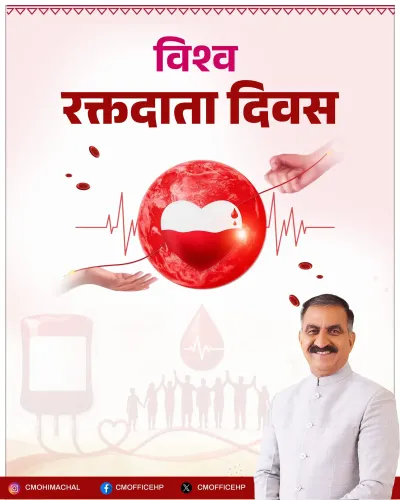
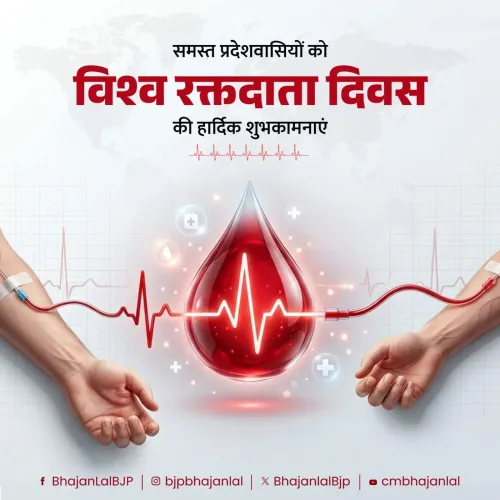
Posting in Hindi on the occasion, the Chief Minister wrote: 'विश्व रक्तदाता दिवस पर निस्वार्थ भाव से मानवता की सेवा कर रहे सभी स्वैच्छिक रक्तदाताओं की सराहना करती हूँ' — 'On World Blood Donor Day, I salute all voluntary blood donors who are selflessly serving humanity.' She added that even a small effort by citizens could save someone's life.
Context
World Blood Donor Day is observed every year on 14 June as a global event to recognise the contribution of voluntary, unpaid blood donors and to raise awareness about the need for safe blood supplies. The date marks the birth anniversary of Karl Landsteiner, the scientist who discovered the ABO blood group system. Elected leaders across India regularly use the occasion to encourage citizens, particularly youth, to participate in donation drives.
Chief Minister Gupta's appeal specifically called on Delhi's youth to take a pledge of regular donation — going beyond a one-time act and framing it as a sustained civic commitment.
Policy Backdrop
India has observed National Voluntary Blood Donation Day on 1 October since 2007, anchored by the National Blood Transfusion Council, which has long sought to shift the country away from family replacement donations toward voluntary non-remunerated donations. The World Health Organization recommends that all blood supplies be sourced from voluntary donors, citing significantly lower risks of transfusion-transmissible infections compared to paid or replacement donors.
Delhi, as the national capital, operates a network of government and hospital blood banks that serve high volumes of trauma, surgical, and emergency patients. Maintaining adequate voluntary donor pools is a persistent challenge, particularly during summer months and festive seasons when stocks tend to dip.
Stakeholders and Impact
The immediate beneficiaries of any surge in voluntary donation are patients in Delhi's public and private hospitals — including trauma victims, surgical patients, and those undergoing treatment for conditions such as thalassaemia and sickle cell anaemia. Delhi's youth, including college students and young working professionals, are the primary demographic targeted by such appeals, as they represent the most active and eligible donor pool.
Voluntary blood donors themselves gain formal recognition through this observance, with many hospitals and health departments felicitating regular donors. Civil society organisations and Red Cross units in the capital also use the occasion to mobilise camps across residential colonies and educational institutions.
What's Next
The Delhi government's health department is expected to follow up the Chief Minister's appeal with organised donation camps across the city in the coming days. Civic groups and resident welfare associations may coordinate with local blood banks to host drives at the colony level. The broader indicator to watch will be monthly voluntary donation figures at major centres — a sustained uptick would signal that public appeals are translating into measurable action on the ground.
Point of View
But it carries a deliberate policy nudge — framing regular donation as a civic duty rather than an occasional gesture. By singling out Delhi's youth, the message aligns with a broader national strategy of building a stable voluntary donor base to meet WHO benchmarks and reduce dependence on riskier replacement donations. For a government keen to project health governance credentials in the capital, such public appeals serve a dual purpose: they reinforce administrative intent and generate goodwill with a wide, non-partisan audience. The real test, however, lies in whether the appeal is backed by organised infrastructure — camps, awareness drives, and data — in the weeks that follow.
NationPress
19 Sept 2026
Frequently Asked Questions
Why is World Blood Donor Day celebrated on 14 June?
World Blood Donor Day is observed on 14 June every year because it marks the birth anniversary of Karl Landsteiner , the scientist who discovered the ABO blood group system. The day honours voluntary, unpaid blood donors and promotes awareness about safe blood supplies worldwide.
What did Delhi CM Rekha Gupta say on World Blood Donor Day 2026?
Delhi Chief Minister Rekha Gupta praised all voluntary blood donors for their selfless service and urged Delhi's youth and citizens to take a pledge of regular blood donation, noting that even a small effort can save a life.
Who can donate blood in Delhi?
Generally, healthy adults between 18 and 65 years of age weighing at least 45 kg and free from infectious diseases are eligible to donate blood. Delhi's government hospitals and blood banks conduct regular camps where citizens can donate voluntarily.
What is India's National Voluntary Blood Donation Day?
India observes National Voluntary Blood Donation Day on 1 October every year since 2007 , coordinated by the National Blood Transfusion Council . It is distinct from the global World Blood Donor Day on 14 June but shares the same goal of promoting voluntary, unpaid donation.
Why is voluntary blood donation preferred over replacement donation?
The World Health Organization recommends voluntary non-remunerated donation because it carries significantly lower risks of transfusion-transmissible infections compared to paid or family replacement donations. Building a voluntary donor base is central to India's national blood policy.