Delhi Government Gears Up for Trials of 22 Anti-Pollution Devices
Synopsis
The Delhi government is set to initiate trials for 22 anti-air pollution devices, selected through its Innovation Challenge, aimed at effectively tackling the city's air quality crisis. This initiative emphasizes evidence-based solutions to combat pollution.
Key Takeaways
22 devices selected for anti-pollution trials in Delhi.
Focus on evidence-based solutions to combat air pollution.
Devices include technologies for vehicular and ambient air quality .
Trials to begin in the coming weeks at pollution hotspots .
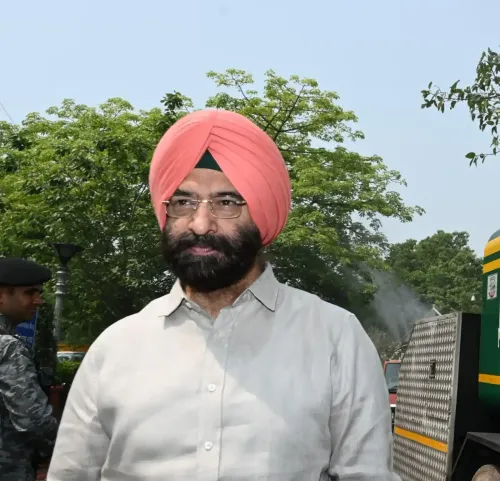
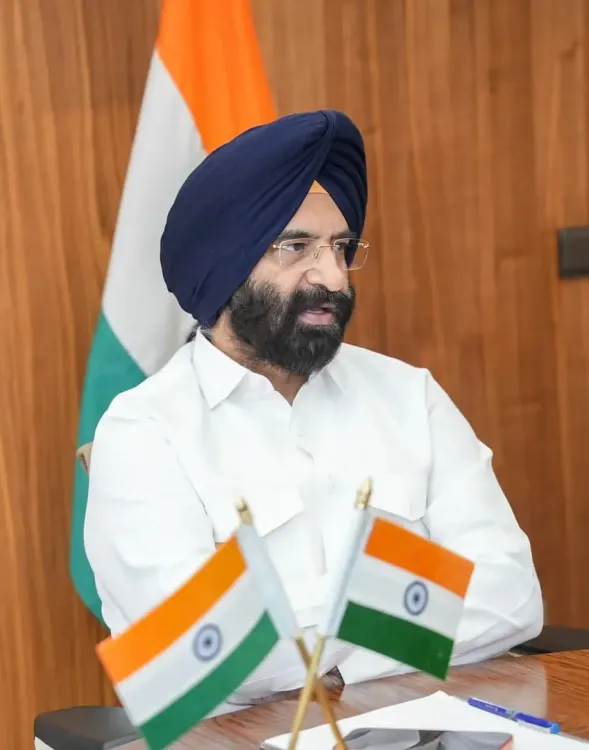
Coordination led by Environment Minister Manjinder Singh Sirsa .
New Delhi, March 10 (NationPress) The government of Delhi has selected 22 final candidates for on-ground trial runs as part of its Innovation Challenge aimed at combating air pollution, according to an official announcement.
These trial devices will be deployed at designated pollution hotspots within the upcoming weeks to thoroughly assess their effectiveness in lowering particulate pollution and other critical metrics, stated Environment Minister Manjinder Singh Sirsa.
“This Innovation Challenge is a mission to discover tangible solutions that can effectively reduce pollution on the ground. As these 22 devices are tested at some of Delhi’s most impacted locations, our sole criterion will be evidence: which technologies yield significant, consistent reductions in pollution and can be quickly scaled up,” he remarked.
During a review meeting regarding the subsequent phases of the Innovation Challenge, Sirsa evaluated the progress made in recent weeks, including the establishment of testing protocols, preparedness of devices, and coordination with innovators for their deployment.
The Minister instructed officials to ensure that the trials are “scientifically rigorous, transparent, and focused on swift decision-making regarding the most effective solutions for the National Capital.”
Out of a total of 284 submissions received nationwide for the Innovation Challenge, 22 devices have advanced to the trial phase based on recommendations from the expert technical committee.
Among these, 13 solutions concentrate on mitigating vehicular pollution, featuring technologies such as vehicle-mounted air purifiers, retrofit emission-control systems, bio-alkaline exhaust scrubbers, and other retrofit solutions for buses, trucks, and generators.
The remaining nine devices are aimed at improving ambient air quality, including modular and stationary air purification systems, dust suppression units, smog control technologies, and other solutions intended for open spaces, roadways, and areas surrounding industrial or construction sites.
The Minister praised the committee and innovators for their persistent efforts over the past weeks.
The committee has engaged in extensive discussions to refine testing protocols, worked closely with innovators to assist in deployment strategies, evaluated the readiness of each device, and pinpointed specific installation requirements for both static and vehicle-based systems.
Simultaneously, sites for static devices are being shortlisted, and draft guidelines are being developed for organized trial runs, encompassing monitoring, data collection, and performance evaluation.
Point of View
I observe that the Delhi government's proactive approach in trialing these anti-pollution devices reflects a commitment to addressing a critical public health issue. The focus on evidence-based solutions marks a significant step in the fight against air pollution, which affects millions.
NationPress
13 Oct 2026
Frequently Asked Questions
What is the purpose of the Innovation Challenge?
The Innovation Challenge aims to identify effective solutions to reduce air pollution in Delhi through the deployment of innovative devices.
How many devices are being tested?
A total of 22 devices have been selected for on-ground trials as part of the Innovation Challenge.
What types of devices are included in the trials?
The trials include solutions for vehicular pollution control, such as air purifiers and emission control systems, as well as ambient air quality solutions.
When will the trials commence?
The trial installations are expected to take place in the coming weeks at identified pollution hotspots.
Who is overseeing the trials?
The trials are being coordinated by Environment Minister Manjinder Singh Sirsa and an expert technical committee.