DGCA Implements Tough New Regulations for NSOPs Following Aviation Tragedies
Synopsis
In response to a troubling rise in aviation incidents, the DGCA has rolled out rigorous measures to enhance safety in the Non-Scheduled Operators sector. These initiatives aim to ensure transparency and accountability among operators, following recent tragic accidents.
Key Takeaways
The DGCA has launched strict new regulations for Non-Scheduled Operators.
Mandatory disclosure of safety information is now required.
Safety rankings for operators will be implemented and made public.
Increased audits will ensure compliance with safety protocols.
Accountability measures for leadership are strengthened.
New Delhi, Feb 24 (NationPress) To tackle the alarming increase in aviation accidents, the Directorate General of Civil Aviation (DGCA) has implemented rigorous new regulations aimed at enforcing a zero-tolerance policy for safety violations in the Non-Scheduled Operators (NSOP) sector.
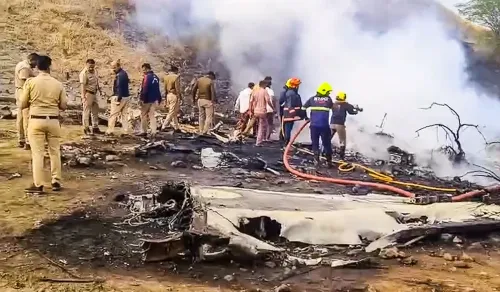
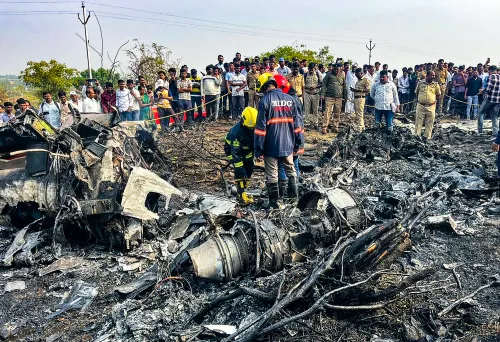
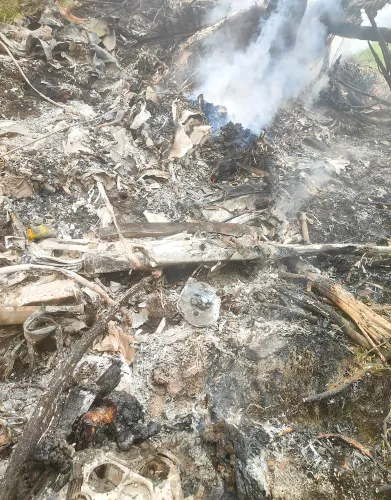
The decision followed a tragic incident in which all seven individuals aboard an air ambulance tragically lost their lives in Chatra district, Jharkhand, on Monday evening. This comes on the heels of a previous fatal crash last month involving a Learjet 45XR operated by VSR Ventures, which claimed the life of former Maharashtra Deputy Chief Minister and NCP president, Ajit Pawar.
The aviation authority announced the introduction of a mandatory disclosure policy.
“NSOP operators will be mandated to provide essential safety details on their websites, such as aircraft age, maintenance history, and pilot qualifications, thereby ensuring customers are well-informed about the aircraft's standards they choose to charter,” stated the DGCA following discussions.
The DGCA is also set to launch a safety ranking system for all non-scheduled operators, with the criteria for these rankings to be made publicly available on the DCA's website.
Furthermore, the authority will enhance random audits of Cockpit Voice Recorders (CVR) and will rigorously verify ADS-B data, fuel logs, and technical records to uncover any unauthorized operations or data manipulation.
“Accountable managers and senior leadership will be held personally liable for any systemic non-compliance; safety lapses cannot merely be attributed to pilots,” asserted the DGCA.
Significantly, pilots breaching Flight Duty Time Limitations (FDTL) or attempting to land below safety minima may face license suspensions for up to five years. Operators failing to comply with established safety standards will incur penalties, including potential suspension of licenses or permits.
Moreover, the regulator indicated that increased scrutiny would be directed towards older aircraft and those undergoing changes in ownership.
In addition, the DGCA will audit NSOPs that manage their own Maintenance, Repair, and Overhaul (MRO) facilities. Those found lacking will be compelled to outsource maintenance to accredited organizations.
The authority noted that many weather-related accidents stem from poor judgment rather than unpredictable weather conditions.
“Operators are required to implement real-time weather update systems and strictly adhere to established Standard Operating Procedures (SOPs). Additionally, recurrent pilot training must place a greater emphasis on weather awareness and decision-making in uncontrolled settings,” emphasized the DGCA.
Following the completion of Phase 1 of the special safety audit of SOPs in early March, Phase 2 will focus on the remaining NSOPs.
Point of View
It is imperative to recognize the DGCA's proactive stance in addressing aviation safety through stringent regulations. The focus on safety and accountability is crucial in restoring public trust and ensuring that such tragedies do not recur.
NationPress
2 Oct 2026
Frequently Asked Questions
What are the new measures announced by DGCA?
The DGCA has introduced mandatory disclosure policies, safety rankings for NSOPs, and increased audits to ensure compliance with safety standards.
Why did DGCA implement these measures?
These measures were implemented in response to a surge in aviation incidents and to enforce a zero-tolerance policy towards safety violations.
What are the consequences for non-compliance?
Operators who fail to meet compliance standards may face penalties, including suspension of licenses and permits.
How will the DGCA ensure accountability among NSOPs?
Accountable managers and senior leadership will be personally responsible for any systemic non-compliance related to safety.
What emphasis will be placed on pilot training?
Recurrent pilot training will focus more on weather awareness strategies and decision-making in uncontrolled environments.