Will Dhaka Embrace India's Efforts to Strengthen Ties Amid Rising Hate Crimes?
Click to start listening
Synopsis
India's External Affairs Minister S. Jaishankar's recent visit to Dhaka highlights the complex relationship between India and Bangladesh, especially in light of rising hate crimes. This visit comes at a crucial time as both nations seek to stabilize their ties amidst political unrest and minority violence. How will this influence future relations?
Key Takeaways
- Jaishankar's visit signifies efforts to improve India-Bangladesh relations.
- Political instability in Bangladesh is impacting bilateral ties.
- Escalating violence against minorities is a pressing concern.
- Diplomatic gestures need to address human rights issues.
- Upcoming elections in Bangladesh could influence future relations.
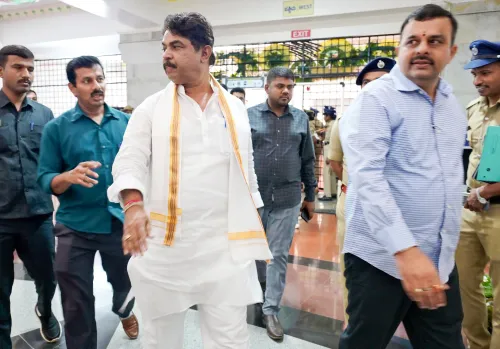
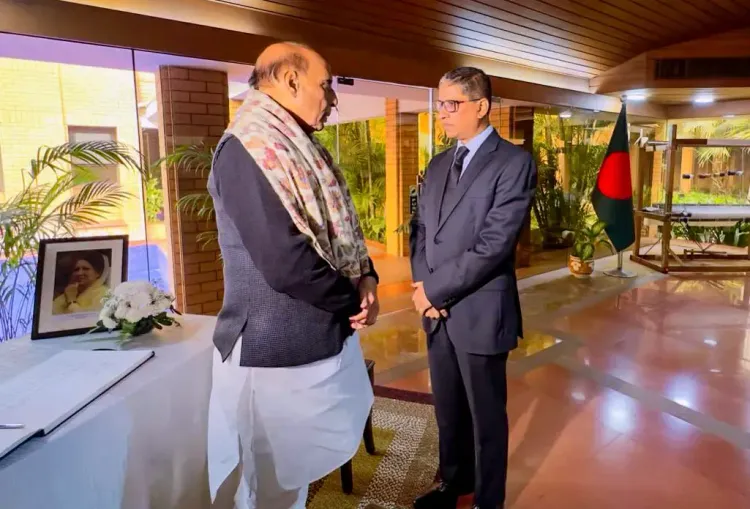
New Delhi, Jan 2 (NationPress) The recent visit of India's External Affairs Minister S. Jaishankar to Dhaka for the funeral of former Prime Minister Khaleda Zia and Defence Minister Rajnath Singh's homage at the High Commission in New Delhi holds significant implications amid the current geopolitical climate, as noted by a prominent Bangladeshi daily.
“The short yet impactful visit by Foreign Minister S. Jaishankar to Dhaka, complemented by Defence Minister Rajnath Singh's attendance at the Bangladesh High Commission, is indeed noteworthy,” remarked a Prothom Alo analysis.
“Following the major uprising on August 5, 2024, which resulted in the downfall of the Awami League government and the subsequent flight of Sheikh Hasina to India, the diplomatic relations between the two nations have seen a marked decline,” it further elaborated.
Prior to Jaishankar's arrival, Bangladesh’s High Commissioner to India Riaz Hamidullah tweeted that this visit could pave the way for a fresh chapter in India-Bangladesh relations.
Interestingly, Hamidullah was recalled to Dhaka on Monday amidst escalating tensions between the two neighboring countries.
“As the Honorable External Affairs Minister Dr. @DrSJaishankar completed a swift four-hour visit to Dhaka, both #Bangladesh and #India are poised to initiate a new chapter in their bilateral relationship, driven by mutual interests and pragmatism, as briefly discussed with @bdbnp78 Acting Chair, @trahmanbnp this afternoon,” he remarked on Wednesday.
This statement referred to Jaishankar's meeting with the late Prime Minister's son, Tarique Rahman, the Acting Chairman of the Bangladesh Nationalist Party (BNP), during which he delivered Prime Minister Modi’s condolence message.
In a subsequent acknowledgment of the Defence Minister's visit, Hamidullah expressed, “It was an honor to receive HE @rajnathsingh, Hon (India) Defence Minister at @bdhc_delhi, as he conveyed #India's condolences and paid tribute to former Prime Minister #BegumKhaledaZia in Delhi.”
The Friday analysis by Prothom Alo reflects the sentiments expressed by the High Commissioner regarding these developments, citing his social media updates.
“However, just a week later, Rajnath Singh's visit to the Bangladesh High Commission to honor Khaleda Zia is significant. His presence not only pays tribute to a former Prime Minister of Bangladesh but also indicates Delhi's commitment to ensuring utmost security at the mission,” wrote the newspaper’s Diplomatic Editor Raheed Ejaz on Friday.
Notably, the article did not address the ongoing violence in Bangladesh nor the targeted killings of Hindu and other minority groups. Instead, it emphasized protests in India regarding these atrocities.
Violence has surged in Bangladesh, with Hindu minorities increasingly becoming targets. Last month alone, at least 12 Hindus were killed in mob lynchings and extrajudicial actions. This alarming trend has triggered widespread concern among minority communities and raised serious questions about Bangladesh’s capability to safeguard its vulnerable populations.
Such violence poses a threat to social harmony and the democratic transition, particularly with the upcoming elections on February 12.
While authorities routinely categorize each incident as an isolated event, it underscores how political instability, religious extremism, and weak institutions converge to endanger minorities. The Prothom Alo article, titled 'Delhi eager to advance bilateral relations,' ultimately painted a picture of uncertainty within Bangladeshi authorities.
When queried whether Jaishankar's visit would alleviate tensions, Touhid Hossain, Adviser for Foreign Affairs of the Interim Government, stated, “You’ll have to look for answers in the future. What unfolds in the coming days will be telling.”
Dhaka must respond positively and not project uncertainty, deflecting the responsibility for future actions.
Point of View
While the diplomatic gestures between India and Bangladesh are commendable, they must not overshadow the urgent need to address the rising violence against minorities. Strengthening ties necessitates a commitment to human rights and social cohesion, ensuring the protection of all citizens.
NationPress
08/01/2026
Frequently Asked Questions
What was the purpose of Jaishankar's visit to Dhaka?
Jaishankar visited Dhaka to attend the funeral of former Prime Minister Khaleda Zia and to strengthen bilateral relations between India and Bangladesh.
What are the current tensions between India and Bangladesh?
Recent political upheavals and escalating violence against minority communities in Bangladesh have strained relations, prompting diplomatic visits to seek resolutions.
How have minority communities been affected in Bangladesh?
Minority communities, particularly Hindus, have faced targeted violence, including mob lynchings and extrajudicial attacks, raising concerns about their safety.
What is the significance of Rajnath Singh's visit?
Singh's visit to the Bangladesh High Commission was significant as it represented India's commitment to honoring Khaleda Zia and ensuring the security of its diplomatic missions.
What are the implications of Jaishankar's visit for future relations?
Jaishankar's visit may signal a potential thaw in relations, but addressing underlying issues of violence and instability is crucial for lasting improvement.