CM Dhami clears ₹38 cr for irrigation, tourism, NCC academy
Synopsis
Chief Minister Pushkar Singh Dhami has sanctioned ₹38 crore across irrigation, drinking-water, tourism, and an NCC academy in Pauri Garhwal, while also hiking dearness relief for state pensioners under the Fifth and Sixth Pay Commission scales effective January 2026.
Key Takeaways
₹38 crore in total financial sanctions approved by CM Pushkar Singh Dhami on 14 July 2026 . ₹12.83 crore sanctioned under NABARD financing for five irrigation schemes in Chamoli and Almora districts. ₹15.06 crore approved for seven additional irrigation department schemes across the state. ₹3.98 crore for installation of 50 handpumps and 31 solar panels in Champawat district; ₹4.96 crore for upgrading the Mukteshwar Tourist Rest House in Nainital .
First instalment of ₹1 crore released for the NCC Academy in Pauri Garhwal , against a revised project cost of ₹50 crore .
Dearness relief for Fifth Pay Commission pensioners raised from 474% to 484% , and for Sixth Pay Commission pensioners from 257% to 262% , effective 1 January 2026 .
Chief Minister Pushkar Singh Dhami of Uttarakhand on 14 July 2026 approved financial sanctions totalling ₹38 crore for a package of drinking-water, irrigation, and tourism projects across the state, alongside the first instalment for a proposed NCC Academy in Pauri Garhwal district and a hike in dearness relief for state pensioners.
Context
The Chief Minister's Office announced that CM Dhami approved the package spanning multiple departments and districts. Translated from the official post, the approvals cover 'peyjal, paryatan, sinchai yojnaon ke kriyaanvayan' (implementation of drinking-water, tourism, and irrigation schemes) as well as the NCC academy's establishment in Pauri.
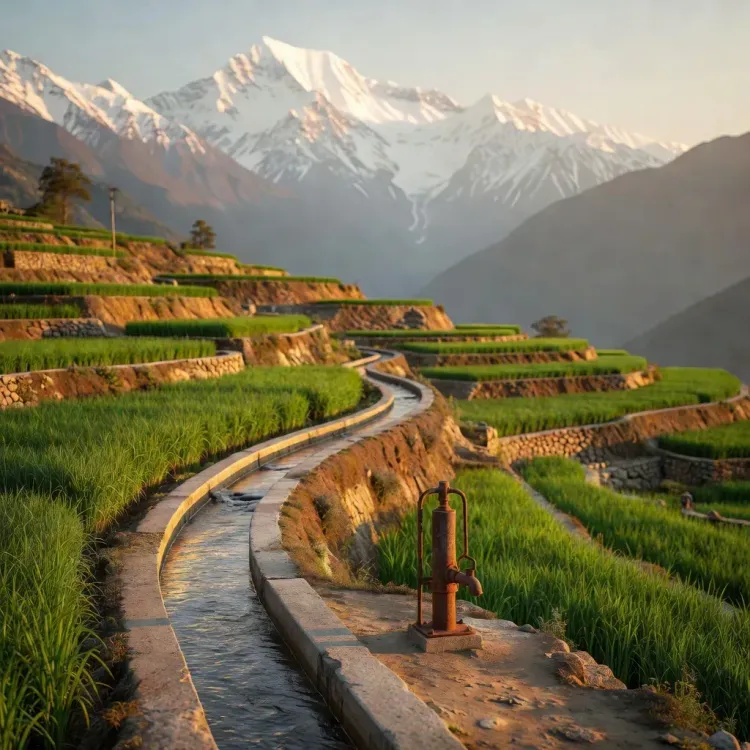
The largest single allocation — ₹15.06 crore — goes to seven irrigation department schemes across the state. A further ₹12.83 crore is earmarked under NABARD financing for five irrigation schemes in Chamoli and Almora districts.
Policy Backdrop
NABARD, the National Bank for Agriculture and Rural Development, has long been the primary financier for rural and hill-district infrastructure in Uttarakhand, channelling concessional loans for irrigation and drinking-water projects that address chronic Himalayan water scarcity. The state has drawn on NABARD windows consistently since its formation in 2000.
For drinking water, ₹3.98 crore has been sanctioned to install 50 handpumps and 31 solar panels at various locations in Champawat district — a measure that combines rural water access with renewable energy. An additional ₹4.96 crore will fund upgradation of the Mukteshwar Tourist Rest House in Nainital district, a government-run facility catering to visitors in one of the state's most frequented hill destinations.
The NCC Academy in Pauri Garhwal carries a revised total project cost of ₹50 crore; the current approval releases the first instalment of ₹1 crore to initiate the process. Uttarakhand's border geography has historically made it a priority zone for defence-linked training infrastructure, and the NCC academy fits squarely within that pattern.
Stakeholders and Impact
Civil and family pensioners drawing pensions under the state government's Fifth and Sixth Central Pay Commission scales will see dearness relief revised upward effective 1 January 2026. For Fifth Pay Commission pensioners, the dearness relief rate rises from 474% to 484% per month; for Sixth Pay Commission pensioners, it moves from 257% to 262% per month.
Farmers in Chamoli and Almora — districts where rain-fed agriculture dominates — stand to benefit most from the NABARD-backed irrigation works. Residents of Champawat will gain improved drinking-water access through the handpump and solar-panel installations. NCC cadets from the Garhwal region will eventually gain a dedicated training facility once the academy is operational.
CM Dhami stated that the state government is committed to 'sarvangin vikas, aadharabhoot sanrachna ko mazboot banana, paryatan ko badhawa dene, kisanon ke hiton' — that is, 'all-round development, strengthening basic infrastructure, promoting tourism, and protecting the interests of farmers.' He directed officials to ensure quality and time-bound implementation of all sanctioned schemes.
What's Next
Attention will now shift to the tendering and physical execution of the NABARD-backed irrigation works in Chamoli and Almora, where project timelines will determine actual benefit to farmers ahead of the next cropping season. For the Pauri NCC Academy, subsequent tranches from the ₹50 crore revised estimate will depend on construction milestones being met.
The pension dearness-relief revision, effective January 2026, will translate into higher monthly outflows from the state exchequer and is likely to feature in supplementary budget discussions. As Uttarakhand continues to position itself as a tourism and investment destination, the pace of infrastructure delivery across these approvals will be a key indicator of the government's execution capacity.
Point of View
Tourism, defence-linked training, and pensioner welfare — a broad basket designed to address multiple voter constituencies ahead of the political cycle. The NABARD-backed irrigation push in Chamoli and Almora reflects a structural dependence on central financing institutions for hill-district development that has persisted across Uttarakhand governments since statehood. The NCC academy's first-instalment release, against a ₹50 crore revised estimate, is a political signal as much as a fiscal one — it keeps a high-visibility defence project alive without committing the full outlay. Taken together, the approvals reinforce the pattern of incremental, multi-sector spending that characterises governance in a fiscally constrained hill state.
NationPress
13 Oct 2026
Frequently Asked Questions
How much money did CM Dhami approve for Uttarakhand projects on 14 July 2026?
CM Pushkar Singh Dhami approved a total of ₹38 crore across drinking-water, irrigation, tourism, and NCC academy projects in Uttarakhand on 14 July 2026.
What is the NCC Academy in Pauri Garhwal and how much will it cost?
The NCC Academy in Pauri Garhwal is a proposed National Cadet Corps training facility with a revised total project cost of ₹50 crore. The government has released a first instalment of ₹1 crore to begin the process.
What is the NABARD irrigation funding approved for Uttarakhand?
₹12.83 crore has been sanctioned under NABARD financing for five irrigation department schemes in Chamoli and Almora districts, in addition to ₹15.06 crore for seven other state irrigation schemes.
What is the dearness relief hike for Uttarakhand pensioners in 2026?
Dearness relief for Fifth Pay Commission pensioners has been raised from 474% to 484% per month, and for Sixth Pay Commission pensioners from 257% to 262% per month, effective 1 January 2026.
What drinking-water work has been approved for Champawat district?
₹3.98 crore has been sanctioned for the installation of 50 handpumps and 31 solar panels at various locations in Champawat district to improve rural drinking-water access.