CM Dhami Directs Live Rescue Op at THDC Tunnel, Piplakoti
Synopsis
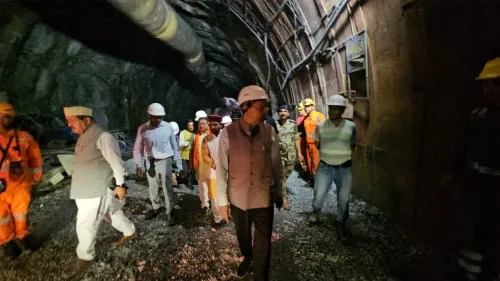
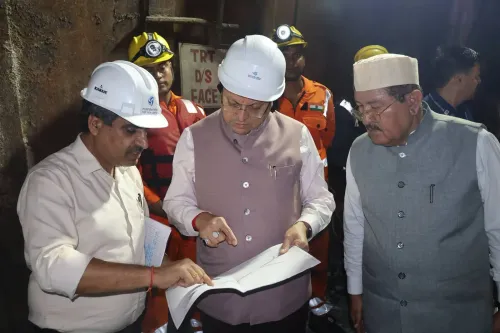
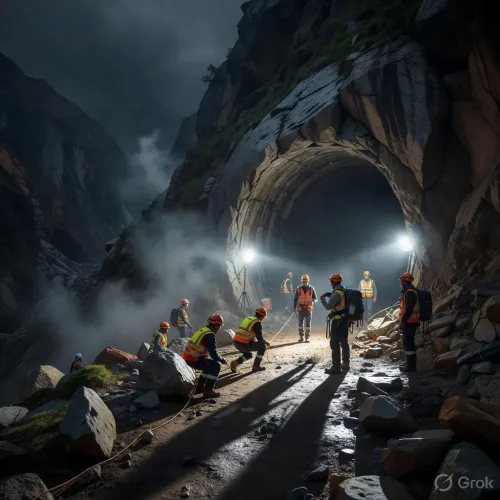
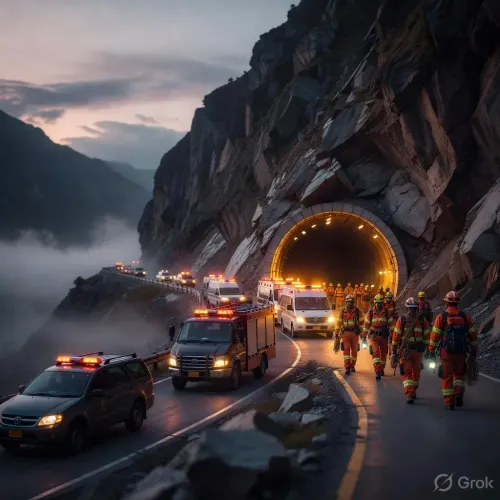
Uttarakhand CM Pushkar Singh Dhami is personally directing a live rescue operation from the Dehradun Disaster Operations Centre after debris and water flooded a THDC under-construction tunnel near Piplakoti in Chamoli district on 13 August 2026.
Key Takeaways
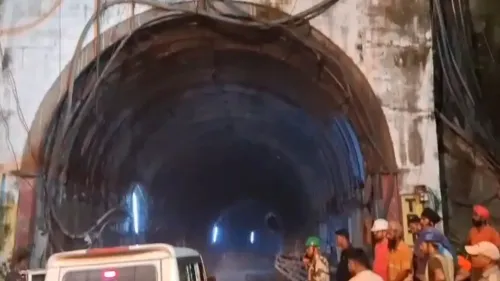
Debris and water breached a THDC India Limited under-construction tunnel near Piplakoti, Chamoli district on 13 August 2026 .
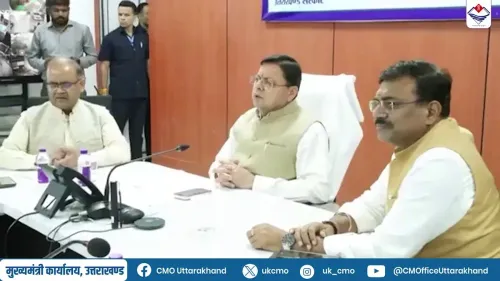
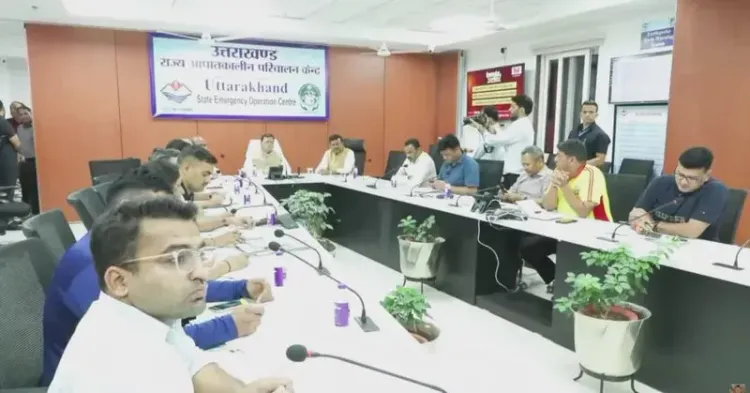
CM Pushkar Singh Dhami is personally directing the rescue from the Disaster Operations Centre, Dehradun , broadcasting the command session live on X.
The tunnel is part of the Vishnugad-Pipalkoti Hydro Electric Project , in phased construction since 2012 .
The exact number of workers affected and the scale of the debris incident have not been officially confirmed.
Water ingress and debris collapses are a recurring hazard in Uttarakhand's Himalayan tunnel projects, with state disaster protocols reinforced after the 2013 Kedarnath floods .
Safety audits and a decision on work resumption are expected once the rescue operation concludes.
Debris and water have breached a under-construction tunnel at Piplakoti (Mayaypur), Chamoli district, triggering an active rescue operation that Uttarakhand Chief Minister Pushkar Singh Dhami is personally directing from the Disaster Operations Centre in Dehradun on the evening of Thursday, 13 August 2026. The tunnel belongs to THDC India Limited and is part of the state's ongoing hydroelectric infrastructure push deep in the Himalayas.
What triggered the emergency at the THDC tunnel
Reports of malbaa evam paani bharne — debris accumulation and water ingress — inside the THDC tunnel near Piplakoti set the rescue machinery in motion. The tunnel is part of the Vishnugad-Pipalkoti Hydro Electric Project, which received environmental clearance and began phased construction from 2012 onward. Water ingress and debris flows are a recurring hazard in Uttarakhand's geologically fragile Himalayan corridors, where underground construction cuts through unstable rock and aquifer zones.
The exact scale of the incident — how many workers were inside and the volume of debris — has not been officially confirmed. CM Dhami's live broadcast from the Dehradun operations centre signals that state authorities are treating the situation with urgency.
Dhami at the command desk — what a 'LIVE' directive means
Dhami, who has overseen multiple disaster responses since taking charge in 2021, chose to broadcast the command session live on X, a deliberate signal of real-time accountability. The post links directly to a live audio-video stream from the Aapda Parichaalan Kendra (Disaster Operations Centre) in Dehradun, where he is issuing disha nirdesh — operational directives — to rescue teams on the ground.
Uttarakhand's disaster management framework was significantly reinforced after the catastrophic 2013 Kedarnath floods, which exposed gaps in inter-agency coordination. The State Disaster Response Force (SDRF) protocols that emerged from that tragedy now form the backbone of responses like tonight's tunnel rescue.
Uttarakhand's tunnel safety record under scrutiny
This incident fits a troubling pattern. Hydroelectric and road tunnel projects across Chamoli and Rudraprayag districts have repeatedly faced geological instability, with water seepage and debris collapses forcing evacuations and work stoppages. THDC India Limited, a public-sector power company, operates several such projects in the region. Each incident reignites questions about geological surveys, construction timelines, and worker safety protocols in one of India's most seismically active mountain zones.
As rescue teams work through the night, the immediate priority is accounting for all personnel inside the tunnel. Safety audits and any decision on work resumption will follow once the rescue operation concludes — but the harder question of whether enough has changed since the last such incident will demand an answer too.
Point of View
It reinforces the state's improved response architecture; if it does not, it will sharpen calls for an independent safety audit of all active tunnel projects. Either way, the incident is a stress test for the institutional reforms Uttarakhand put in place after Kedarnath.
NationPress
28 Sept 2026
Frequently Asked Questions
What happened at the THDC tunnel near Piplakoti in Uttarakhand?
Debris and water entered a THDC India Limited under-construction tunnel near Piplakoti in Chamoli district on 13 August 2026, prompting an active rescue operation directed by CM Pushkar Singh Dhami from Dehradun.
Which project does the Piplakoti tunnel belong to?
The tunnel is part of the Vishnugad-Pipalkoti Hydro Electric Project, operated by THDC India Limited, which has been under phased construction since receiving environmental clearance in 2012.
What is CM Dhami doing during the tunnel rescue?
CM Pushkar Singh Dhami is issuing live operational directives to rescue teams from the Disaster Operations Centre in Dehradun, and broadcast the command session in real time on X.
Is tunnel water ingress common in Uttarakhand hydroelectric projects?
Yes. Geological instability, water seepage, and debris flows have repeatedly affected tunnel and hydroelectric projects across Chamoli and Rudraprayag districts due to the region's fragile Himalayan terrain.
What disaster response system does Uttarakhand use for tunnel emergencies?
Uttarakhand deploys its State Disaster Response Force under protocols strengthened after the 2013 Kedarnath floods, coordinated from the Aapda Parichaalan Kendra in Dehradun.