CM Dhami flags off 'Run for Nasha Mukti' in Uttarakhand
Synopsis
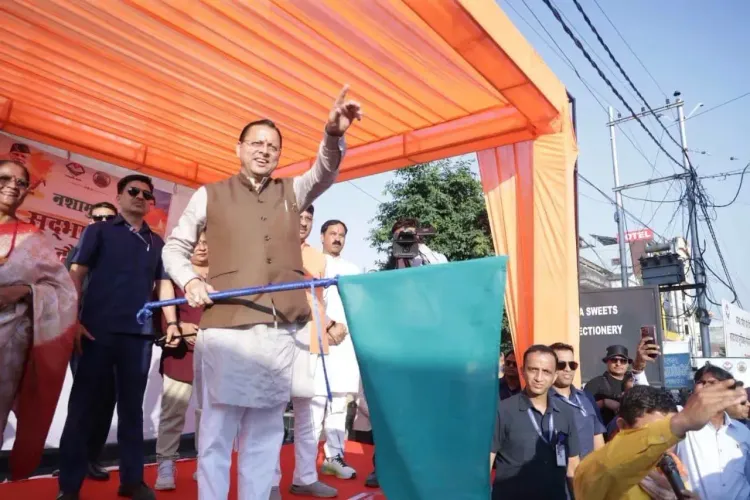
Uttarakhand CM Pushkar Singh Dhami flagged off the Nasha Mukti Sadbhavana Daud on 18 October 2026, reaffirming his government's three-pronged drive to keep youth drug-free through awareness, trafficking curbs, and public participation.
Key Takeaways
CM Pushkar Singh Dhami flagged off the Nasha Mukti Sadbhavana Daud on 18 October 2026 under the 'Run for Nasha Mukti' campaign.
The government's stated focus is on three fronts: protecting youth from drugs, curbing drug trafficking, and building mass public awareness.
Dhami stressed that campaign success hinges on janbhagidari (public participation) and collective resolve, not enforcement alone.
The state initiative aligns with the central government's Nasha Mukt Bharat Abhiyan , launched nationally in 2020 .
Community fitness events like public runs have become a favoured outreach tool for Indian states tackling rising youth substance abuse.
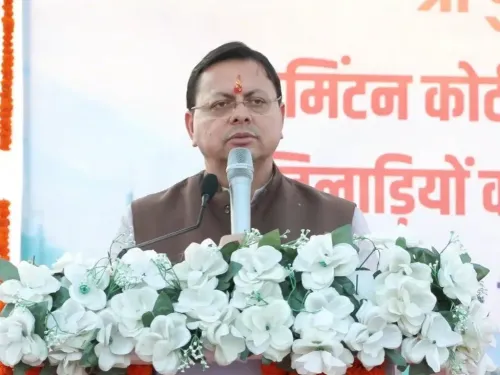
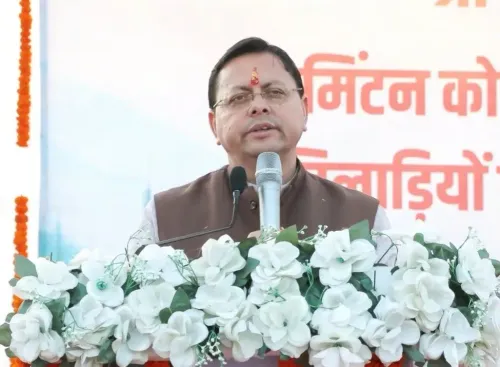
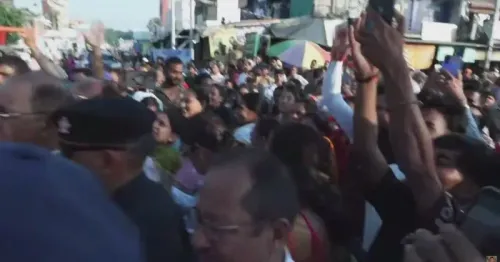
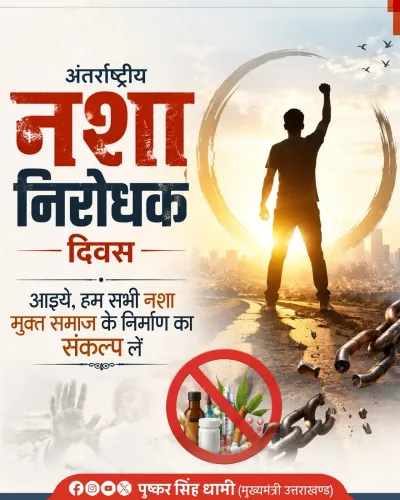
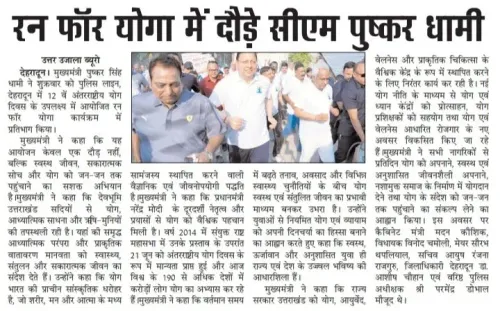
A run can carry a message farther than a slogan ever could — and Uttarakhand Chief Minister Pushkar Singh Dhami put that principle to work on Sunday, 18 October 2026, flagging off the Nasha Mukti Sadbhavana Daud (Drug-Free Goodwill Run) under the state's Run for Nasha Mukti campaign, a public-participation drive aimed at pulling the state's youth away from substance abuse.
In his post on X, CM Dhami wrote that his government is 'nirantar prayasrat' — continuously striving — across three fronts: keeping youth away from drugs, placing effective curbs on drug trafficking, and building a healthy, drug-free society through mass awareness. He added that the campaign's success will be 'ensured only through public participation and collective resolve.'
What the Sadbhavana Daud represents
The run is not a standalone gesture — it sits within the broader Run for Nasha Mukti campaign that Uttarakhand has built to embed anti-drug messaging inside a fitness event. Community runs have emerged as a preferred tool for Indian state governments precisely because they generate visibility without the coercive undertone of enforcement-first approaches. Participants become living advertisements for the cause, and the imagery travels.
The design mirrors the logic of the Nasha Mukt Bharat Abhiyan, the central government's national anti-drug awareness programme launched in 2020, which called on states to localise public outreach and prioritise youth. Uttarakhand's campaign is among the state-level extensions of that framework, blending the centre's anti-narcotics agenda with ground-level mobilisation.
Youth at the centre of the push
Dhami's framing is deliberate: every line in his post names youth as the primary constituency. Rising substance abuse among young populations has become a documented concern across several Himalayan and hill states, where geography, economic migration pressures, and limited recreational infrastructure have all been cited as contributing factors. State governments have responded with a mix of rehabilitation, law enforcement, and — increasingly — community events that recast sobriety as a collective identity.
The emphasis on janbhagidari (public participation) and samuhik sankalp (collective resolve) signals that the Dhami administration sees civic ownership, not just police action, as the durable solution to trafficking and abuse.
Whether participation numbers and follow-up policy steps match the campaign's ambition will be the real measure — but today, the starting pistol has been fired.
Point of View
The BJP-led Uttarakhand government positions itself as a social-welfare actor ahead of the electorate's next cycle of scrutiny. The alignment with the central Nasha Mukt Bharat Abhiyan also signals continuity with Delhi's welfare branding, reinforcing the party's dual-government narrative. Whether the momentum outlasts the event itself will depend on measurable follow-through in rehabilitation infrastructure and trafficking prosecutions.
NationPress
18 Oct 2026
Frequently Asked Questions
What is the 'Run for Nasha Mukti' campaign in Uttarakhand?
It is a state-level awareness drive that uses public runs to promote a drug-free society and discourage substance abuse among youth in Uttarakhand, aligned with the central government's Nasha Mukt Bharat Abhiyan.
What did CM Pushkar Singh Dhami announce on 18 October 2026?
CM Dhami flagged off the Nasha Mukti Sadbhavana Daud (Drug-Free Goodwill Run) under the 'Run for Nasha Mukti' campaign, reaffirming efforts to protect youth from drugs and curb trafficking through public participation.
What is the Nasha Mukt Bharat Abhiyan?
Nasha Mukt Bharat Abhiyan is the central government's national anti-drug awareness programme launched in 2020, which directs states including Uttarakhand to run localised outreach and rehabilitation campaigns targeting youth.
How does Uttarakhand plan to make its anti-drug campaign successful?
CM Dhami stated that success will come through public participation and collective resolve, alongside stricter curbs on drug trafficking and sustained mass awareness efforts.
Why are community runs used for anti-drug campaigns in India?
Community runs generate high public visibility, embed the anti-drug message within a positive fitness activity, and involve citizens directly — making sobriety a shared social identity rather than just a government directive.