CM Dhami's orders restore traffic at Tamak Nala in record time
Synopsis
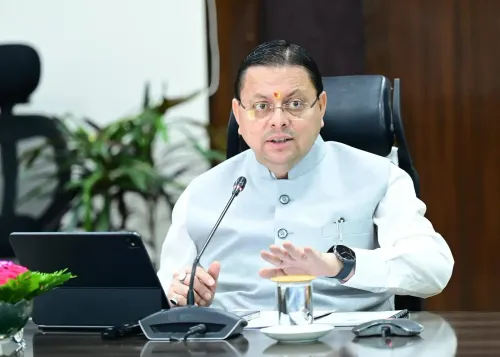
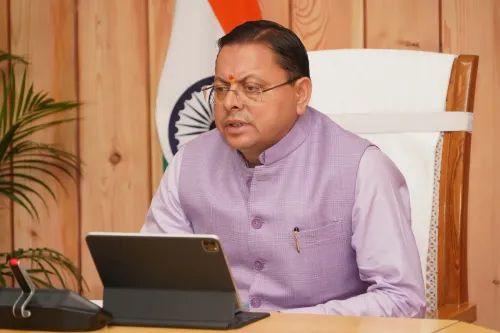
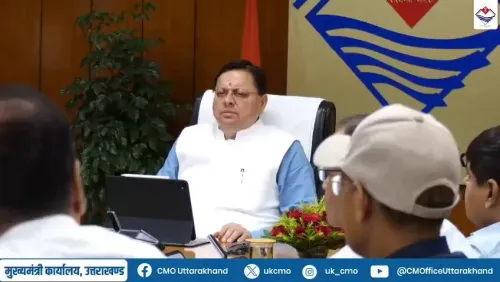
Chief Minister Pushkar Singh Dhami's direct instructions led to traffic being restored at Tamak Nala in Uttarakhand in record time, the CMO announced on 12 August 2026, highlighting the administration's rapid-response model for monsoon road disruptions.
Key Takeaways
The Chief Minister's Office of Uttarakhand announced on 12 August 2026 that traffic at Tamak Nala was restored in record time.
CM Pushkar Singh Dhami issued direct instructions that the CMO credited for the swift restoration.
Uttarakhand's Himalayan terrain makes it especially vulnerable to monsoon-season road disruptions from landslides and flooded nullahs.
The administration has framed rapid connectivity restoration as a political priority under Dhami's tenure since 2021 .
Permanent reinforcement of vulnerable sites and a state-level monsoon preparedness review remain the next steps to watch.
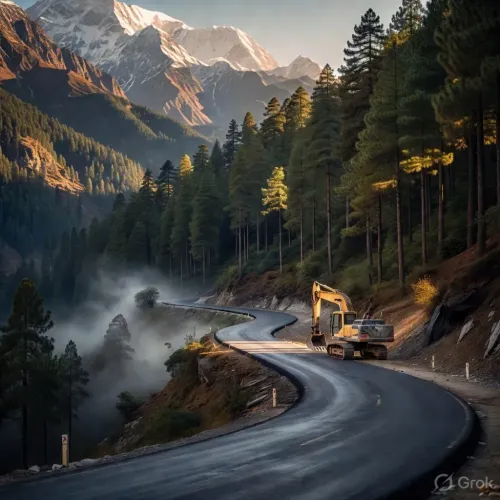
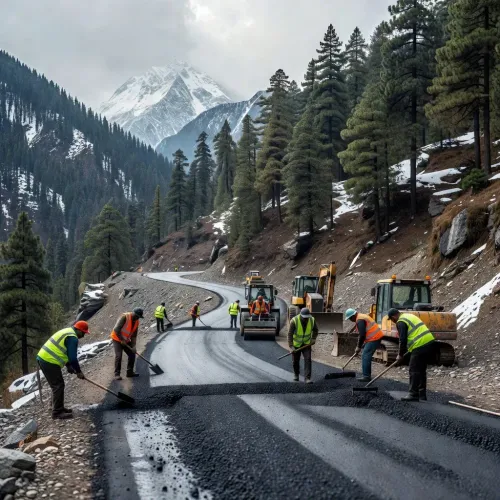
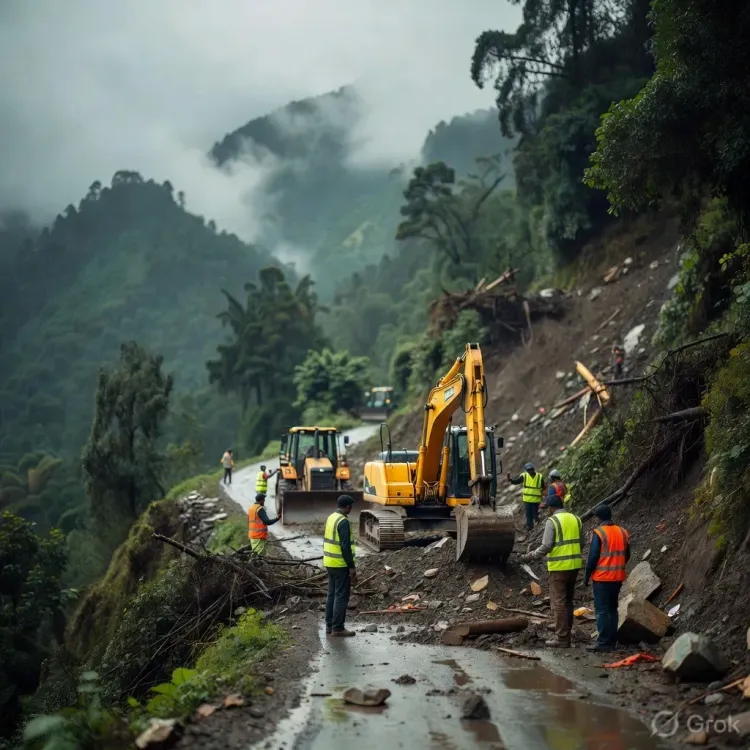
When a Himalayan nullah blocks a road, every hour counts — for commuters, for pilgrims, for emergency vehicles. Following direct instructions from Chief Minister Pushkar Singh Dhami, authorities restored traffic flow at Tamak Nala in Uttarakhand in what the Chief Minister's Office described as record time, the office announced on Wednesday, 12 August 2026.
The disruption Tamak Nala caused
Uttarakhand's Himalayan terrain is among the most road-vulnerable in the country. Every monsoon season, landslides, flash floods and swollen nullahs sever links that thousands of residents, pilgrims and emergency services depend on daily. Tamak Nala became the latest such choke point, cutting off traffic until the state machinery moved to clear it.
CM Dhami's direct-order model
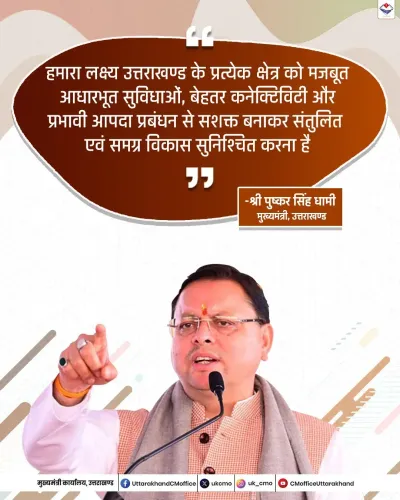
Pushkar Singh Dhami, who has served as Chief Minister of Uttarakhand since 2021, has repeatedly positioned rapid disaster response as a signature of his administration. The Chief Minister's Office framing — 'mukhyamantri ke nirdeshon ka asar' (the impact of the Chief Minister's instructions) — underscores a top-down accountability model where speed of execution is credited directly to political direction from the top.
Why connectivity in Uttarakhand is never routine
For a state where a single blocked road can isolate villages, delay medical evacuations or disrupt the Char Dham pilgrimage circuit, rapid restoration is not a bureaucratic metric — it is a lifeline. Successive governments in Dehradun have faced pressure to move faster each monsoon, and the current administration's emphasis on visible, swift action reflects that political reality.
Permanent reinforcement of vulnerable sites like Tamak Nala, and a broader state review of monsoon preparedness, will determine whether this restoration is a one-season fix or part of a durable resilience strategy.
Point of View
Rapid response across multiple disruption points this season, it builds a credible disaster-management narrative. The real test, however, is whether these spot restorations translate into permanent structural reinforcement of the state's most fragile road corridors.
NationPress
26 Sept 2026
Frequently Asked Questions
What happened at Tamak Nala in Uttarakhand?
Traffic at Tamak Nala, a nullah location in Uttarakhand, was disrupted and subsequently restored in record time following direct instructions from Chief Minister Pushkar Singh Dhami, according to the CMO's announcement on 12 August 2026.
Who is Pushkar Singh Dhami?
Pushkar Singh Dhami is the Chief Minister of Uttarakhand, serving in that role since 2021. He has made rapid disaster response and infrastructure restoration central to his administration's identity.
Why do roads in Uttarakhand get blocked so often?
Uttarakhand's Himalayan terrain makes it highly susceptible to landslides, flash floods and swollen streams during the monsoon season, frequently severing road links used by residents, pilgrims and emergency services.
What is the significance of restoring connectivity at Tamak Nala?
Restoring connectivity quickly is critical in Uttarakhand because blocked roads can isolate villages, delay medical evacuations and disrupt major pilgrimage routes like the Char Dham circuit.
What should we watch for after the Tamak Nala restoration?
The key follow-up is whether the state undertakes permanent structural reinforcement at Tamak Nala and other vulnerable sites, and whether a broader monsoon preparedness review is conducted to prevent repeat disruptions.