CM Dhami: Uttarakhand is Veerbhoomi, govt committed to soldier welfare
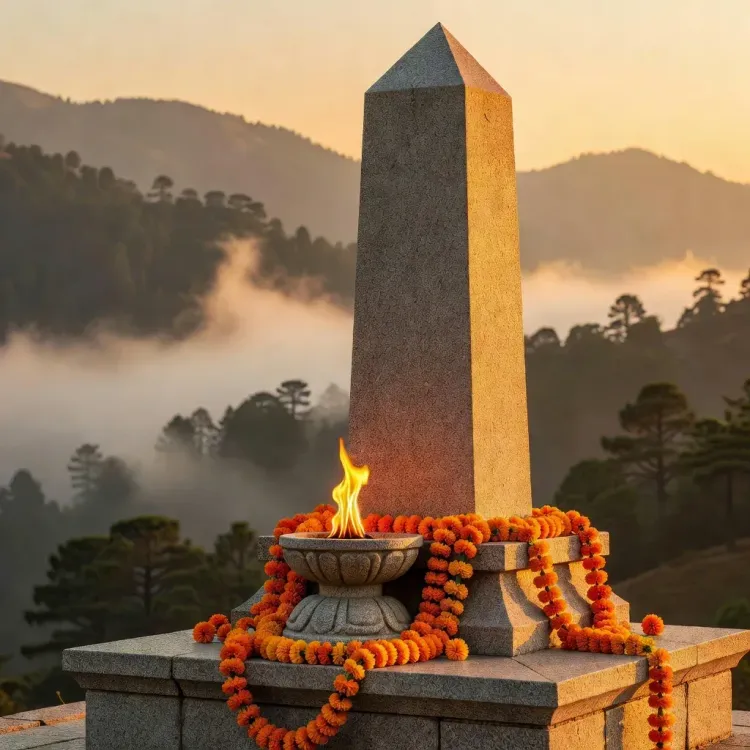
Synopsis
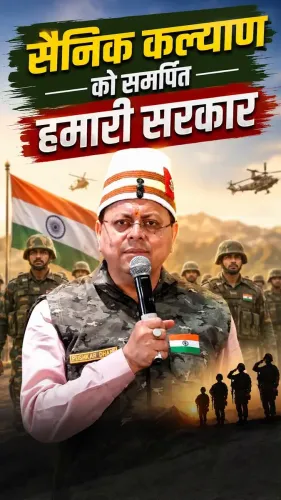
Chief Minister Pushkar Singh Dhami on 30 July 2026 declared Uttarakhand a 'Veerbhoomi' and pledged full government commitment to the welfare of serving soldiers, veterans, and martyrs' families — a statement that carries deep resonance in a state with one of India's highest per-capita military recruitment rates.
Key Takeaways
CM Pushkar Singh Dhami on 30 July 2026 publicly reaffirmed his government's commitment to soldier and veteran welfare.
He described Uttarakhand as both Devbhoomi (Land of Gods) and Veerbhoomi (Land of Warriors), invoking the state's deep military identity.
The statement covers three groups: serving soldiers, ex-servicemen, and families of martyrs.
Uttarakhand has historically supplied a disproportionately large share of soldiers to the Indian Army relative to its population.
No specific new scheme or budget figure was announced; follow-up policy decisions are the key indicator to watch.
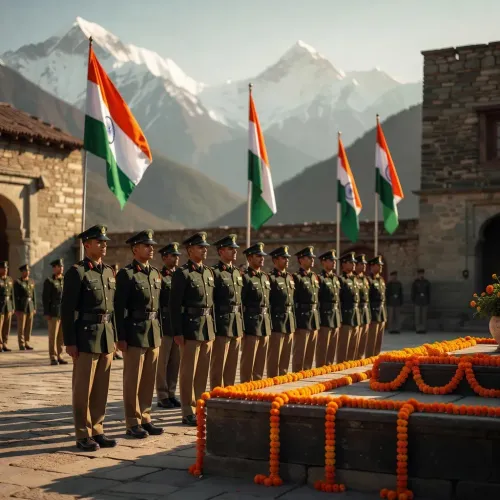
Uttarakhand sends more of its sons and daughters to the Indian Army than almost any other state its size — and on Thursday, 30 July 2026, Chief Minister Pushkar Singh Dhami invoked that identity in a pointed public statement, declaring that his government stands fully committed to the honour and welfare of serving soldiers, veterans, and martyrs' families.
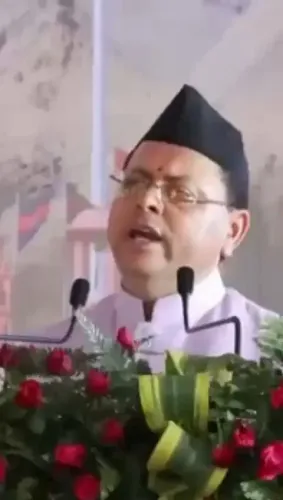
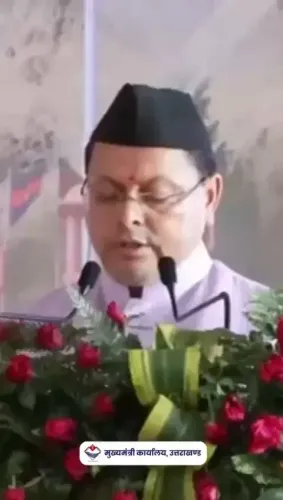
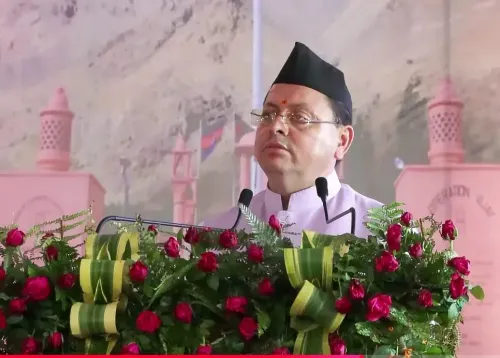
Speaking through the Chief Minister's Office of Uttarakhand, Dhami said: 'Uttarakhand keval Devbhoomi hi nahin, balki Veerbhoomi bhi hai' — 'Uttarakhand is not only the Land of Gods, but also the Land of Warriors.' The statement frames soldier welfare not as a policy option but as a matter of regional pride and constitutional duty.
Why 'Veerbhoomi' is more than a slogan
Uttarakhand, carved out of Uttar Pradesh in 2000, punches far above its demographic weight in military recruitment. The state's hill districts — Pauri Garhwal, Tehri, Almora, Pithoragarh — have historically supplied a disproportionate share of soldiers to Gorkha and Kumaon regiments, earning the 'Veerbhoomi' tag across generations. Nearly every village in the higher Himalayas has a retired soldier or a war memorial. The identity is lived, not branded.
Successive state governments — across party lines — have anchored public messaging to this reality, promising pension facilitation, employment quotas for veterans' kin, and housing support for martyr families. Dhami's BJP government has continued that tradition, framing veteran welfare as inseparable from the state's self-image.
What the commitment covers — and what to watch
The statement explicitly names three groups: veer sainik (serving soldiers), poorv sainik (ex-servicemen), and shaheed parivar (families of the fallen). That three-part framing signals an intent to address the full lifecycle — active duty recognition, post-service rehabilitation, and long-term support for bereaved households.
No specific scheme or budget figure was announced alongside the statement. The real test will come in the next state cabinet decisions or budget session, where watchers will look for concrete allocations — financial assistance, employment reservation, or housing schemes — that translate the commitment into policy.
In a state where the armed forces are not an abstraction but a neighbour, a father, a son, words carry weight. The question Uttarakhand's veteran community will now ask is simple: what follows the pledge?
Point of View
Which wields significant electoral influence particularly in hill constituencies. By pairing the religious identity of 'Devbhoomi' with the martial identity of 'Veerbhoomi', the BJP government signals a dual-pillar brand for the state that resonates with both its temple-tourism economy and its defence-service culture. The statement arrives without a concrete policy announcement, which is standard for intent-signalling ahead of budget cycles — but it also means the commitment remains aspirational until a scheme or allocation backs it. Analysts watching Uttarakhand politics will treat this as a baseline marker against which future welfare decisions will be measured.
NationPress
13 Sept 2026
Frequently Asked Questions
What did CM Pushkar Singh Dhami say about soldiers in Uttarakhand?
On 30 July 2026, CM Dhami stated that Uttarakhand is not only 'Devbhoomi' (Land of Gods) but also 'Veerbhoomi' (Land of Warriors), and that his government is fully committed to the honour and welfare of serving soldiers, ex-servicemen, and martyrs' families.
Why is Uttarakhand called Veerbhoomi?
Uttarakhand is called 'Veerbhoomi' because its hill districts have historically contributed a disproportionately large number of soldiers to the Indian Army, particularly to Gorkha and Kumaon regiments, making military service a core part of the state's cultural identity.
What welfare schemes does Uttarakhand have for ex-servicemen?
Successive Uttarakhand governments have promised measures including pension facilitation, employment quotas for veterans' kin, and housing support for martyr families, though no specific new scheme was announced alongside CM Dhami's 30 July 2026 statement.
Who is Pushkar Singh Dhami?
Pushkar Singh Dhami is the Chief Minister of Uttarakhand, representing the BJP. He has held the post since March 2021.
What is the difference between Devbhoomi and Veerbhoomi in the context of Uttarakhand?
'Devbhoomi' refers to Uttarakhand's identity as the Land of Gods, home to major Hindu pilgrimage sites. 'Veerbhoomi' refers to its identity as the Land of Warriors, reflecting the state's exceptionally high rate of military recruitment relative to its population.