CM Dhami triples women constable posts in Uttarakhand Police
Synopsis
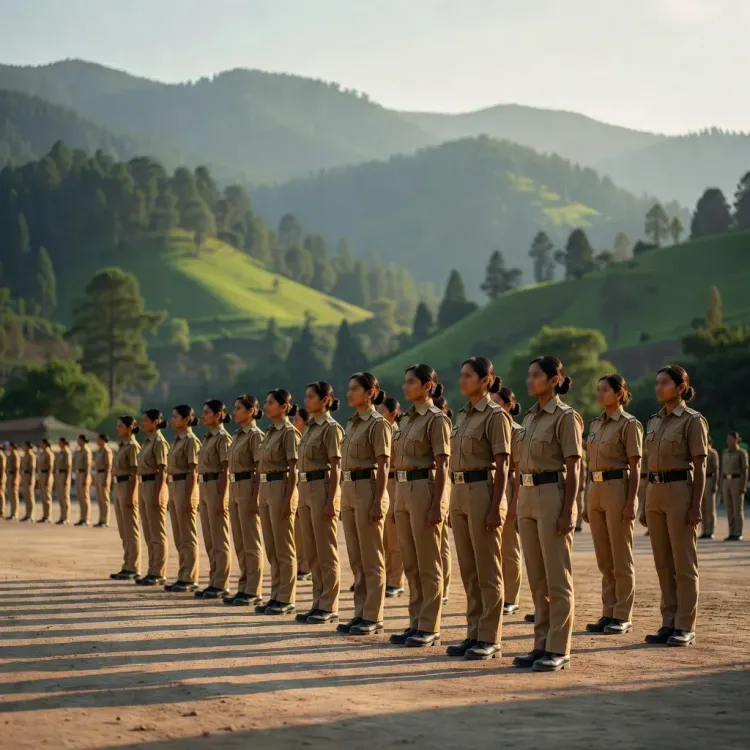
Chief Minister Pushkar Singh Dhami approved expanding women constable posts in Uttarakhand's district police from 526 to 2,000 on 17 October 2026, nearly quadrupling sanctioned strength and setting the stage for large-scale recruitment in the state's frontline law enforcement.
Key Takeaways
CM Pushkar Singh Dhami approved the expansion of women constable posts in Uttarakhand's district (janpadiya) police on 17 October 2026 .
Sanctioned strength for women constables rises from 526 posts to 2,000 posts — an addition of 1,474 positions .
These are frontline district-level posts covering beat patrol, thana duty, and community policing roles.
The order revises sanctioned strength, enabling legally valid recruitment up to the new ceiling.
India's broader policy push targets 33 per cent women's representation at the constabulary level across state police forces.
Actual impact depends on timely issuance of recruitment notifications and scaling of training infrastructure.
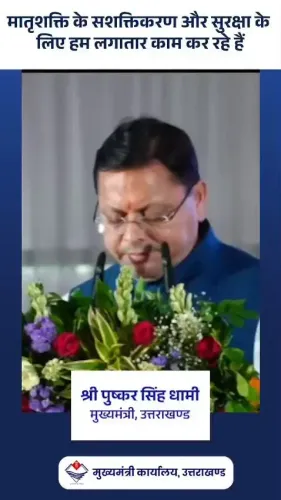
A single administrative approval has nearly quadrupled the number of women constable posts in Uttarakhand's district police — from 526 to 2,000 — reshaping the gender profile of the state's frontline law enforcement in one stroke. Chief Minister Pushkar Singh Dhami granted this approval on Saturday, 17 October 2026, directing a near-fourfold expansion of reserved posts for women constables (mahila aarakshis) in the Uttarakhand Police's janpadiya (district-level) cadre.
What CM Dhami's order actually changes
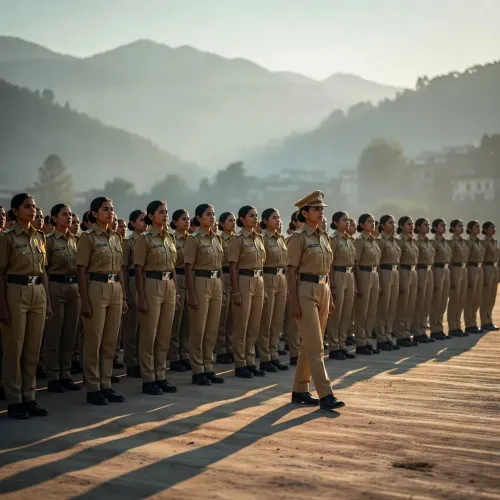
The Chief Minister's Office confirmed that the sanctioned strength for women constables in district policing will rise from 526 posts to 2,000 posts — an addition of 1,474 positions. These are janpadiya posts, meaning they sit at the grassroots of policing: beat patrol, thana duty, handling cases involving women and children, and community interface. The expansion is not a hiring promise; it is a structural sanctioned-strength revision, which means recruitment can now legally proceed to fill those numbers.
Uttarakhand's place in India's women-in-police push
India's states have been under sustained pressure — from the Union Home Ministry and successive Supreme Court nudges — to raise women's share of police forces to at least 33 per cent at the constabulary level. Most states have moved incrementally; a near-fourfold jump in sanctioned strength in a single order is a sharper move than the sector average. Uttarakhand Police already handles complex terrain — hill districts, pilgrimage corridors, border zones — where women officers play a critical role in policing sensitive cases without the social friction that can accompany male officers in conservative communities.
From sanction to recruitment: the gap that matters
Sanctioned strength and actual boots on the ground are two different things. The real test will come with the publication of recruitment notifications, examination schedules, and whether training infrastructure — barracks, facilities, batch capacity — scales alongside the posts. Dhami, who has been Chief Minister since 2021, has positioned police modernisation and women's safety as consistent administrative priorities, and this order extends that stated arc. But the 1,474 new posts will only translate into safer districts and better gender representation when the recruitments are notified, conducted, and completed.
The announcement lands as a concrete, verifiable administrative decision — the kind that civil society groups and potential recruits can hold the government to. Watch for the recruitment calendar.
Point of View
Hiring simply cannot happen at scale. Politically, it positions the BJP government in Uttarakhand ahead of what is expected to be a competitive recruitment cycle, giving it a tangible women's-empowerment deliverable. The broader arc connects to the Union government's push for 33 per cent women in state police forces, and Uttarakhand's near-fourfold jump in one order is a more aggressive move than most states have attempted in a single administrative decision. Whether the announcement becomes policy reality will hinge on the speed and transparency of the recruitment process that follows.
NationPress
17 Oct 2026
Frequently Asked Questions
How many women constable posts has CM Dhami approved for Uttarakhand Police?
CM Pushkar Singh Dhami approved raising women constable posts in Uttarakhand's district police from 526 to 2,000 — an increase of 1,474 posts — on 17 October 2026.
What is a janpadiya police post in Uttarakhand?
Janpadiya posts are district-level police positions handling frontline duties such as beat patrol, thana (police station) work, and community policing, as distinct from higher state cadre posts.
When will Uttarakhand Police recruitment for women constables begin?
The CM's approval revises the sanctioned strength, but a specific recruitment notification date has not yet been announced. Watch for official recruitment calendars from the Uttarakhand Police or the state government.
Why are states increasing women's representation in police forces?
The Union Home Ministry and court directives have pushed states to raise women's share of constabulary strength to at least 33 per cent, citing better handling of cases involving women and children and improved community policing in sensitive areas.
How does Uttarakhand's move compare with other states on women in police?
Most Indian states have made incremental increases in women police posts; Uttarakhand's near-fourfold jump in sanctioned strength through a single administrative order is a more aggressive single-step expansion than the national average.