CM Dhami: Fast, Transparent Grievance Redressal is Top Priority
Synopsis
Chief Minister Pushkar Singh Dhami on 30 July 2026 publicly committed his Uttarakhand government to swift, transparent, and time-bound resolution of public grievances, framing citizen redressal as the administration's top governance priority.
Key Takeaways
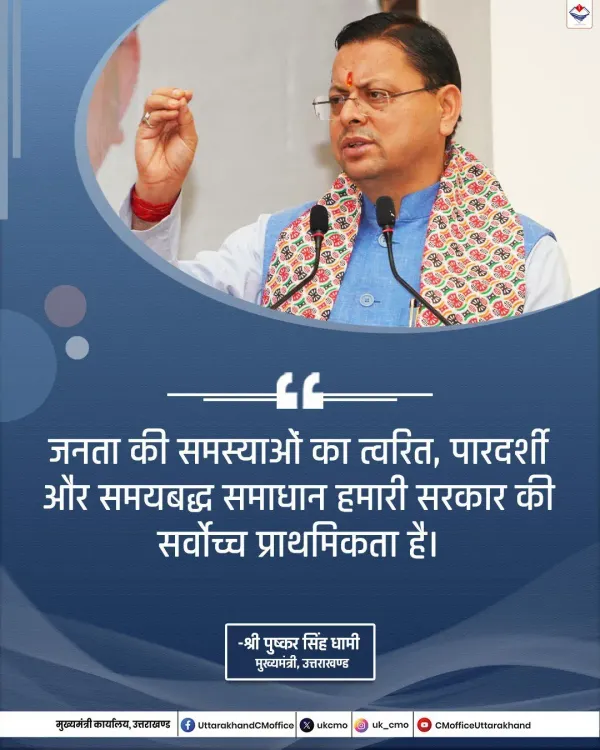
On 30 July 2026 , the Chief Minister's Office of Uttarakhand quoted CM Pushkar Singh Dhami on X affirming grievance redressal as the government's top priority.
Dhami used three specific benchmarks — swift, transparent, and time-bound — to define the standard his administration intends to meet.
Dhami has led the Uttarakhand government as Chief Minister since 2021 under the BJP.
Time-bound grievance redressal aligns with a broader national push for citizen charters and digital complaint portals across Indian states.
Uttarakhand's hilly, remote terrain makes accessible and responsive governance especially consequential for ordinary residents.
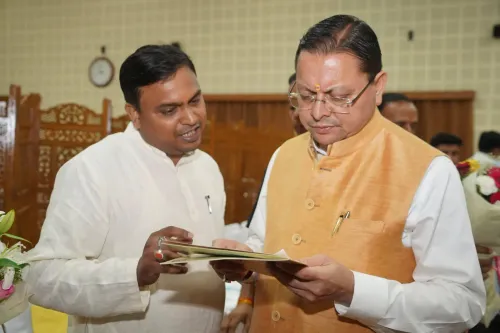
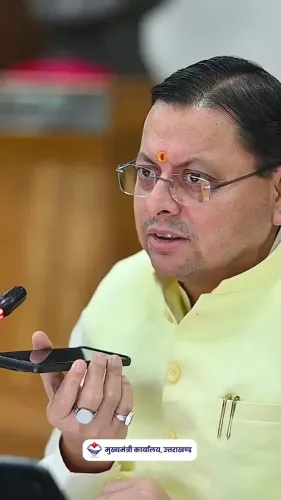
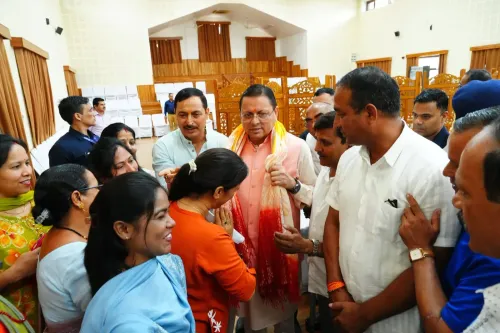
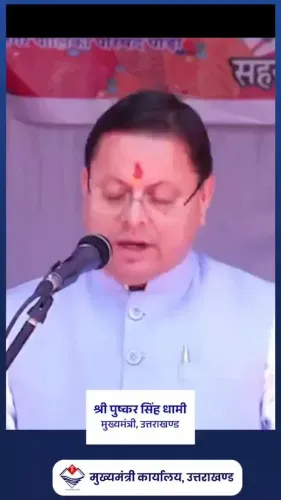
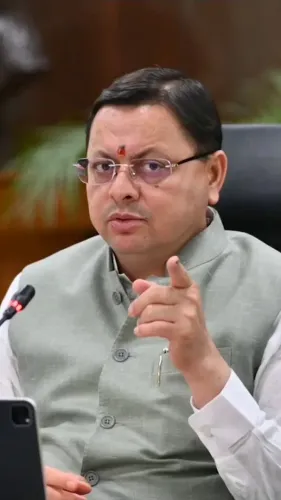
When a Chief Minister stakes his government's reputation on speed and transparency, it is a signal — not just a slogan. On Thursday, 30 July 2026, the Chief Minister's Office of Uttarakhand quoted Chief Minister Pushkar Singh Dhami on X, declaring that swift, transparent, and time-bound resolution of public grievances is the 'foremost priority' of his administration.
In his words: 'जनता की समस्याओं का त्वरित, पारदर्शी और समयबद्ध समाधान हमारी सरकार की सर्वोच्च प्राथमिकता है' — 'Janta ki samasyaon ka tvrit, pardarshi aur samayabaddh samadhan hamari sarkar ki sarvochch prathamikta hai' — 'Swift, transparent, and time-bound resolution of the people's problems is the foremost priority of our government.'
Three Words That Define the Commitment
Dhami's formulation rests on three specific adjectives: tvrit (swift), pardarshi (transparent), and samayabaddh (time-bound). The choice matters. Speed without accountability breeds shortcuts; transparency without deadlines produces endless process. Tying all three together signals an intent to hold the bureaucracy to a measurable standard, not merely a moral one. Pushkar Singh Dhami, a BJP leader who has held the Chief Minister's office since 2021, has repeatedly framed his administration around accessible, citizen-first governance in Uttarakhand — a hill state where geographic remoteness has historically made government reach uneven.Grievance Redressal as a Governance Benchmark
Across Indian states, time-bound grievance redressal has become a key administrative reform benchmark. From centralised helplines to digital portals, state governments are increasingly measured not just on what they build, but on how fast and fairly they respond when citizens report problems. Uttarakhand's administration, like several others, has invested in citizen charter frameworks that set response timelines for different categories of complaints. For a state whose population is spread across remote Himalayan terrain, the stakes of 'time-bound' are literal — a delayed response to a land dispute, a pension irregularity, or a road complaint can mean months of hardship for a family with few alternatives. The Chief Minister's public reaffirmation keeps that benchmark visible — and keeps the pressure on the machinery below him to deliver against it.Point of View
Visible responsiveness to local grievances carries direct electoral weight. The three-part framing of speed, transparency, and deadlines also mirrors the Centre's push for measurable public service delivery, suggesting alignment with the national governance narrative. Whether the rhetoric translates into verifiable redressal data will be the real test.
NationPress
13 Sept 2026
Frequently Asked Questions
What did CM Dhami say about public grievances on 30 July 2026?
Chief Minister Pushkar Singh Dhami stated that swift, transparent, and time-bound resolution of the people's problems is the foremost priority of his government in Uttarakhand.
Who is Pushkar Singh Dhami?
Pushkar Singh Dhami is the Chief Minister of Uttarakhand and a BJP leader who has held the office since 2021.
What does 'time-bound grievance redressal' mean in the context of Indian governance?
It means the government commits to resolving public complaints within fixed deadlines, often enforced through citizen charters, helplines, or digital portals, rather than leaving cases open-ended.
Why is grievance redressal especially important in Uttarakhand?
Uttarakhand's mountainous terrain means many residents live far from government offices, making delays in complaint resolution particularly burdensome for issues like land disputes, pensions, or infrastructure.
How does Dhami's statement fit into national governance trends?
It aligns with a nationwide emphasis on accountable public service delivery, where state governments are increasingly benchmarked on response times and citizen satisfaction, not just infrastructure spending.