Has Diwali Been Added to the UNESCO Intangible Cultural Heritage List?
Synopsis
Discover how Diwali, the vibrant festival of lights, has been recognized by UNESCO as an Intangible Cultural Heritage. This inclusion not only elevates the cultural significance of this ancient festival but also promotes Indian culture globally. Learn more about the implications of this prestigious recognition.
Key Takeaways
Diwali has been officially recognized by UNESCO .
This inclusion enhances the global visibility of Indian culture .
It reflects the rich traditions of Maharashtra.
UNESCO recognition aids in preserving cultural heritage for future generations.
Diwali symbolizes hope, light, and victory.
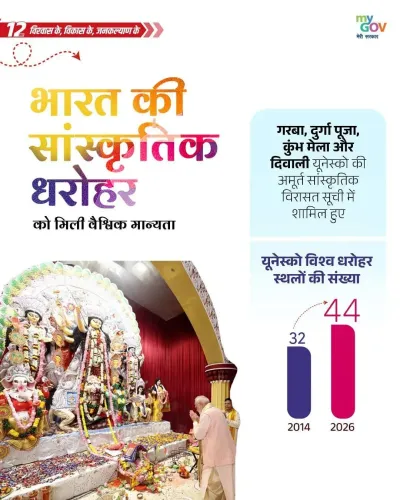
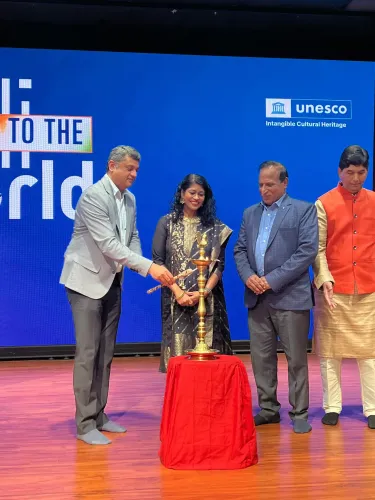
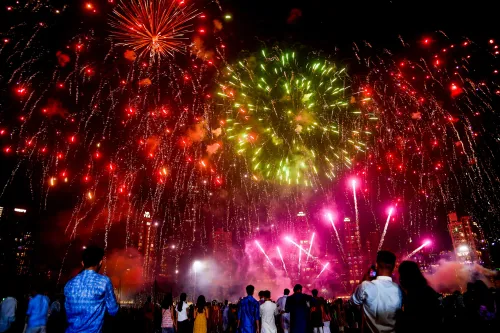
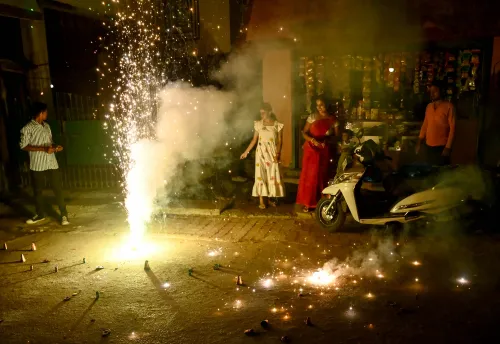
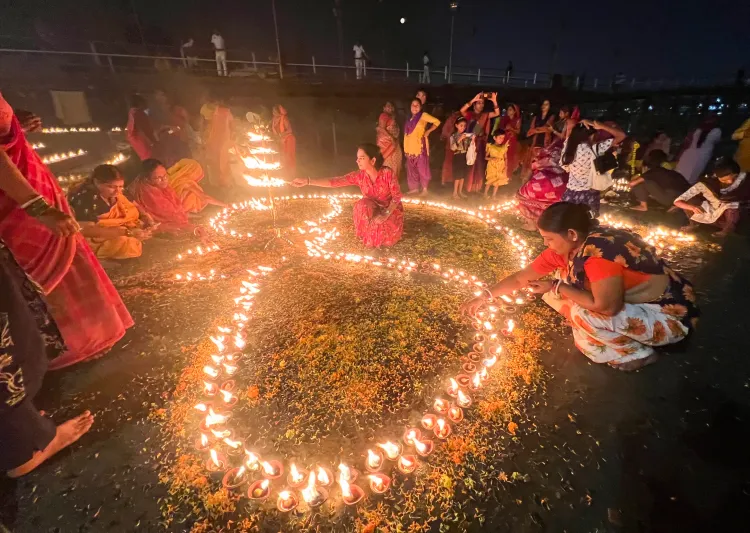
Nagpur, Dec 10 (NationPress) The Cultural Affairs Minister of Maharashtra, Ashish Shelar, announced in the state assembly that Diwali has officially been added to the UNESCO Intangible Cultural Heritage list, which will greatly aid in showcasing Indian culture on a global platform.
“This year, under the guidance of Chief Minister Devendra Fadnavis, Maharashtra successfully attained the UNESCO designation for the Maratha Military Architecture, recognized as a tangible cultural heritage. The listing of Diwali as an Intangible Cultural Heritage is a source of immense pride for everyone. The Ministry of Culture of the Central government had put forth Diwali's nomination for the 2025-26 cycle,” stated Minister Shelar.
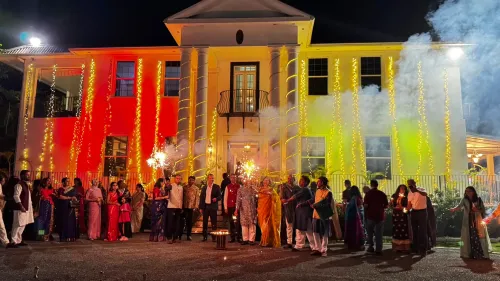
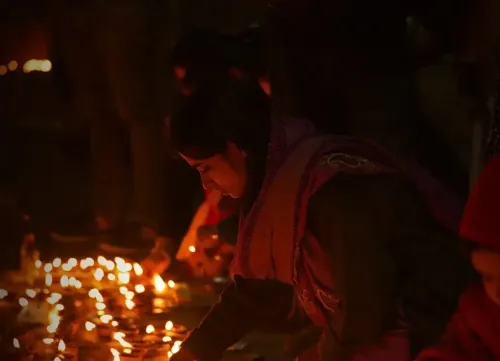
He elaborated that Diwali represents the transition from darkness to light, despair to hope, and struggle to victory, reflecting the uplifting essence of life.
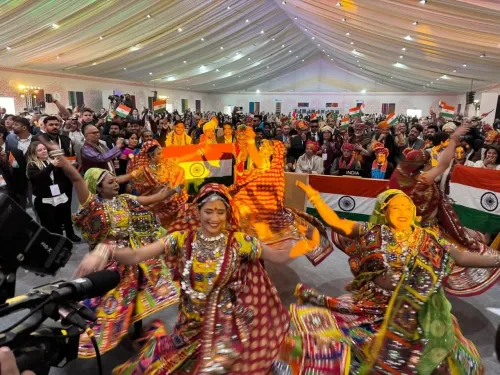
“Diwali is a festival deeply intertwined with Maharashtra's agricultural heritage and Marathi customs. Its roots are undeniably ancient. The distinctiveness of Indian culture lies in its nature-centric festivals, which highlight its universal significance. This acknowledgment will facilitate the dissemination of Indian festivals, traditions, and, ultimately, Indian culture globally,” he remarked.
He expressed his gratitude to Prime Minister Narendra Modi and Union Culture Minister Gajendra Singh Shekhawat, attributing this momentous recognition of India's rich cultural heritage to diligent follow-up and strong leadership.
According to the Department of Cultural Affairs, Intangible Cultural Heritage encompasses living, non-physical expressions that are handed down through generations.
“Achieving a place on the list is regarded as the highest global accolade for a cultural practice. It garners international focus on the cultural element, fostering admiration for diverse lifestyles. It galvanizes resources and efforts, both nationally and internationally, to safeguard and convey the tradition to future generations. It strengthens the sense of identity and continuity among the communities that uphold and pass on the tradition,” the statement added.
Point of View
The inclusion of Diwali in the UNESCO Intangible Cultural Heritage list is a significant achievement for India. It not only honors the cultural heritage of Maharashtra but also serves to unite the nation in celebrating its diverse traditions. Such recognition fosters a sense of pride and encourages the promotion of Indian culture worldwide.
NationPress
19 Sept 2026
Frequently Asked Questions
What does UNESCO Intangible Cultural Heritage mean?
UNESCO Intangible Cultural Heritage refers to practices, representations, expressions, knowledge, and skills that communities recognize as part of their cultural heritage. It emphasizes the importance of traditions and their transmission across generations.
Why is Diwali significant in Indian culture?
Diwali symbolizes the victory of light over darkness and good over evil. It is a time for celebration, family gatherings, and cultural festivities, reflecting the rich heritage of Indian traditions.
What impact does UNESCO recognition have?
UNESCO recognition elevates cultural practices to a global platform, fostering international appreciation and support for their preservation. It helps in raising awareness and resources for the safeguarding of these traditions.